Calcium hydroxide, commonly known as slaked lime, is a widely used chemical in various industrial applications. Its handling and transportation require specialized equipment and design considerations to ensure safety, efficiency, and compliance with industry standards. This article explores the key aspects of calcium hydroxide material handling, focusing on the underlying design principles that govern its transport and storage systems.
Understanding Calcium Hydroxide Properties
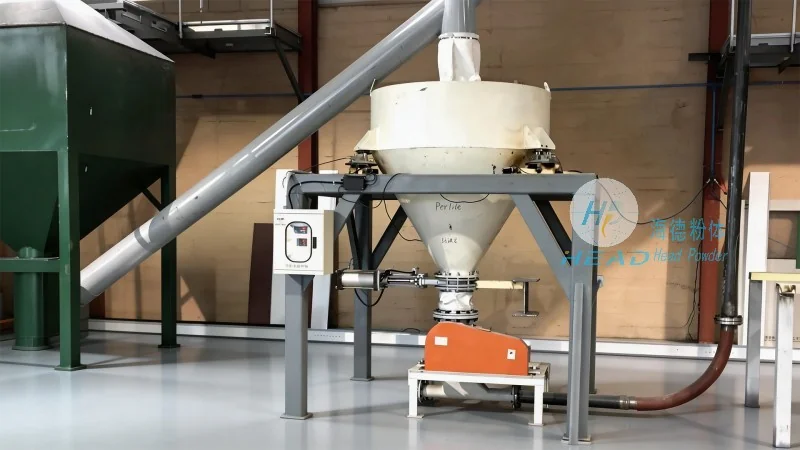
Before delving into material handling, it's essential to understand the physical and chemical properties of calcium hydroxide. This compound is a white powder with a high moisture absorption capacity and can react with carbon dioxide in the air to form calcium carbonate. Its hygroscopic nature means it readily absorbs moisture, which can affect its flow characteristics and handling. Additionally, calcium hydroxide is a caustic substance, requiring proper protective measures during handling to prevent skin irritation or respiratory issues. These properties directly influence the design of equipment used for its transport, such as dust control systems and material flow aids.
Key Design Principles for Material Handling
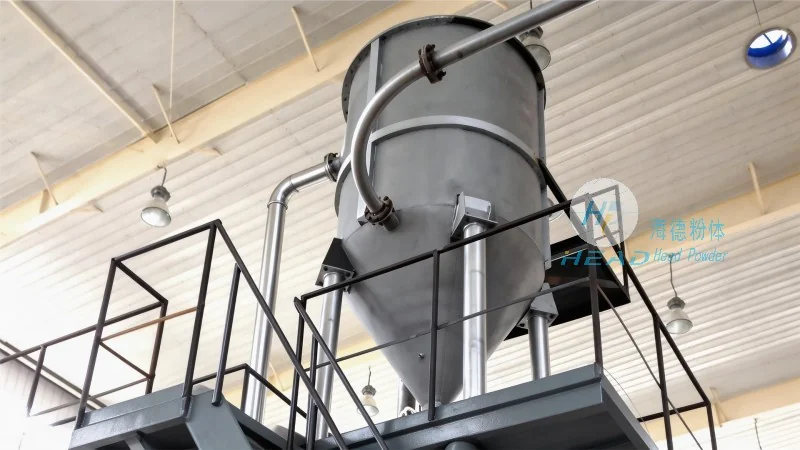
The design of calcium hydroxide material handling systems is guided by several critical principles aimed at optimizing performance and safety. One of the primary principles is the minimization of dust generation, as calcium hydroxide is a fine powder that can create respiratory hazards if inhaled. Therefore, dust suppression systems, including enclosures, ventilation, and wetting agents, are integral to the design. Another key principle is ensuring consistent material flow, as the hygroscopic nature of calcium hydroxide can cause it to clump or stick to surfaces, leading to blockages in conveying systems. To address this, equipment such as vibrators, agitators, and anti-stick coatings are often incorporated into the design. Furthermore, the design must consider the chemical reactivity of calcium hydroxide with moisture and carbon dioxide, requiring sealed or controlled environments to maintain product integrity during transport.
Equipment and Systems for Calcium Hydroxide Handling
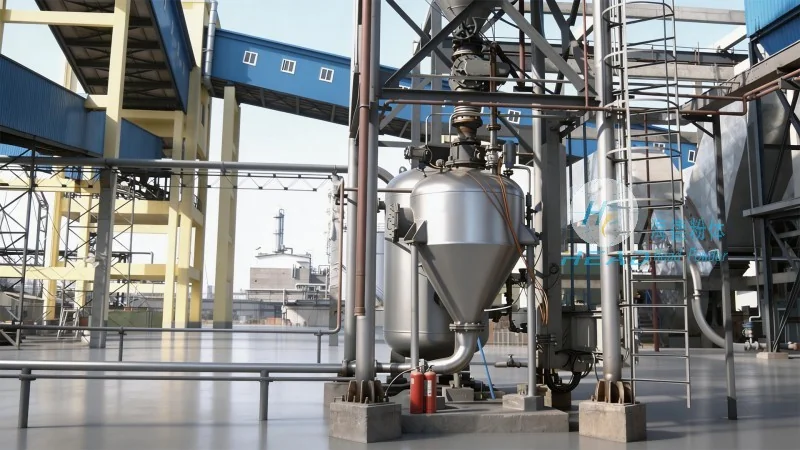
Several types of equipment are commonly used in calcium hydroxide material handling operations. Conveying systems, such as belt conveyors or screw conveyors, are often employed to transport the material from storage to processing areas. These systems are typically enclosed to prevent dust release and may include dust collection mechanisms. Storage silos are another critical component, designed to maintain the material's quality by controlling moisture and preventing contamination. The silos are usually made of corrosion-resistant materials, such as stainless steel or coated steel, to withstand the chemical properties of calcium hydroxide. Additionally, material handling may involve loading and unloading equipment, such as bucket elevators or pneumatic conveyors, which are chosen based on the specific application and scale of the operation. The selection of equipment is based on factors like material flow rate, distance to be transported, and the need for dust control, all of which are influenced by the design principles discussed earlier.
Safety and Compliance in Material Handling
Safety is a paramount consideration in calcium hydroxide material handling due to its caustic nature and potential for dust generation. Design principles must incorporate robust safety measures, including personal protective equipment (PPE) requirements for operators, ventilation systems to remove airborne particles, and emergency shutdown procedures. Compliance with regulatory standards, such as those set by OSHA (Occupational Safety and Health Administration) or local environmental regulations, is also essential. The design must ensure that the handling system does not pose a risk to workers or the environment, which includes proper waste disposal and spill containment measures. Regular maintenance and inspection of equipment are critical to maintaining safety and operational efficiency, as any failure in the system could lead to accidents or product contamination.
Conclusion
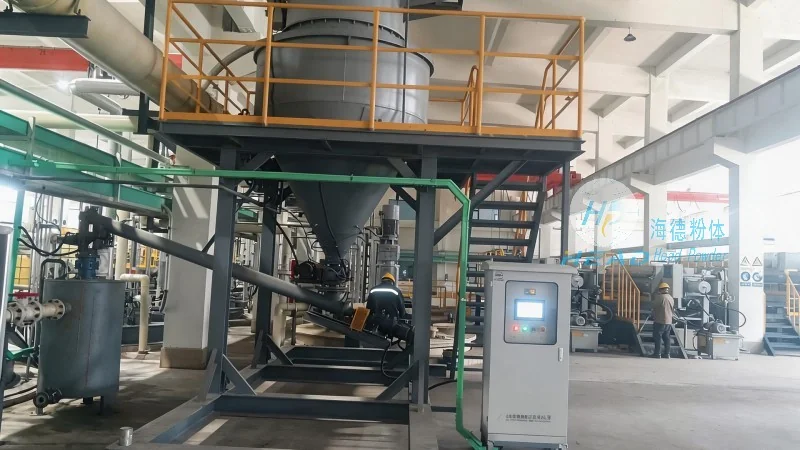
Calcium hydroxide material handling involves a combination of specialized equipment and thoughtful design principles to ensure safe and efficient transport. By understanding the properties of calcium hydroxide and applying principles such as dust control, consistent flow, and environmental protection, manufacturers can optimize their material handling systems. The expertise of companies like Shandong HeadPowder Engineering Co., Ltd., based in China, plays a vital role in developing and implementing these systems, ensuring that calcium hydroxide is handled safely and effectively across various industrial applications.




