Artificial graphite material handling systems are specialized equipment designed to transport and manage materials that involve artificial graphite, a material known for its high thermal and electrical conductivity, as well as its chemical resistance. These systems are crucial in industries such as battery manufacturing, where artificial graphite is a key component in lithium-ion batteries, and in other applications requiring efficient material transfer of this unique material.
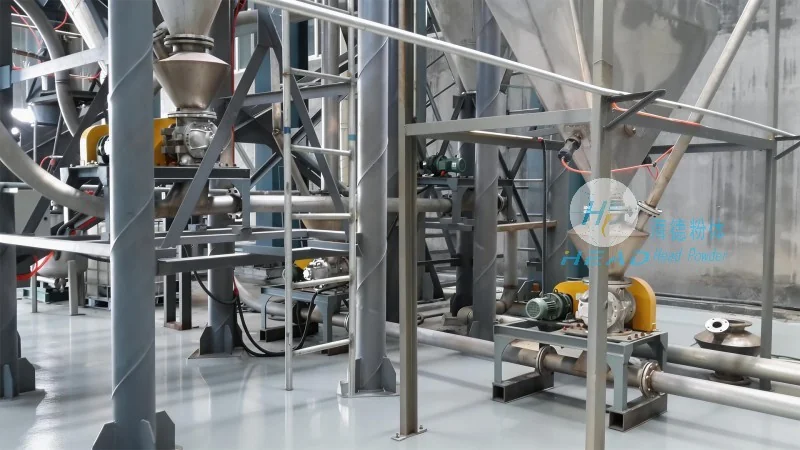
Understanding Artificial Graphite Material Handling
Artificial graphite, also known as synthetic graphite, is produced through a process of carbonizing and graphitizing carbonaceous materials like petroleum coke or pitch coke. It is then processed into various forms, including powders, flakes, and blocks, which are used in a wide range of industrial applications. Material handling for artificial graphite involves the safe and efficient movement of these materials from storage to processing or end-use, ensuring minimal contamination and loss.
The Design Principles of Artificial Graphite Material Handling Systems
The design of artificial graphite material handling systems is guided by several key principles to ensure optimal performance and safety. First, the system must minimize contamination, as artificial graphite is highly sensitive to impurities that can affect its properties. This involves using clean materials, proper sealing, and contamination control measures throughout the handling process. Second, the system should ensure efficient material flow, balancing speed with precision to avoid material degradation or loss. Third, safety is paramount, as artificial graphite dust can be hazardous and require proper ventilation and dust control systems. Finally, the design must consider the specific properties of artificial graphite, such as its high thermal conductivity and chemical resistance, to select appropriate materials and components for the system.
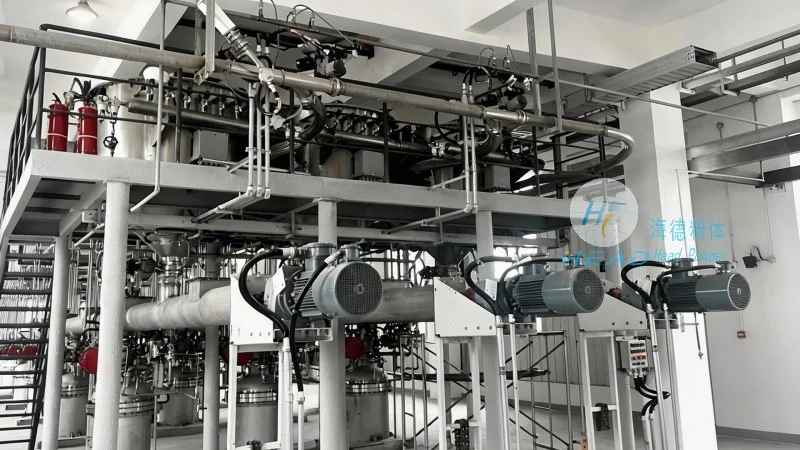
Key Components in Artificial Graphite Material Handling
Artificial graphite material handling systems typically consist of several key components that work together to achieve efficient material transfer. These include storage containers, such as sealed bins or silos, to store the graphite material safely. Conveying equipment, like screw conveyors or pneumatic conveyors, is used to move the material from storage to processing areas. For more complex systems, automated feeding mechanisms and control systems are integrated to ensure precise and consistent material flow. Additionally, dust collection and filtration systems are essential to maintain a safe working environment and prevent environmental contamination.
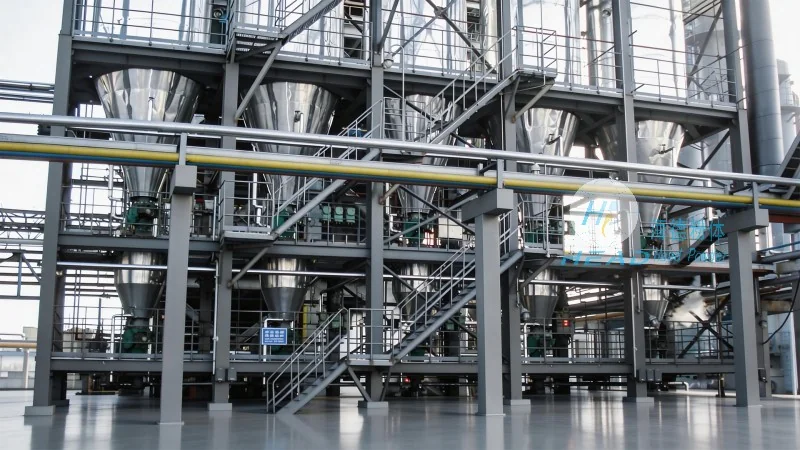
Applications of Artificial Graphite Material Handling
Artificial graphite material handling systems are widely used in various industries, with the most prominent application being in the battery manufacturing sector. In lithium-ion batteries, artificial graphite is used as the anode material, and efficient material handling is critical to ensure consistent quality and performance of the final product. Other applications include the production of electrodes, where the graphite is mixed with other materials to form the electrode structure. Additionally, artificial graphite is used in other industries such as lubricants, refractories, and as a component in certain chemical processes, where material handling systems are essential to maintain the material's integrity and properties.
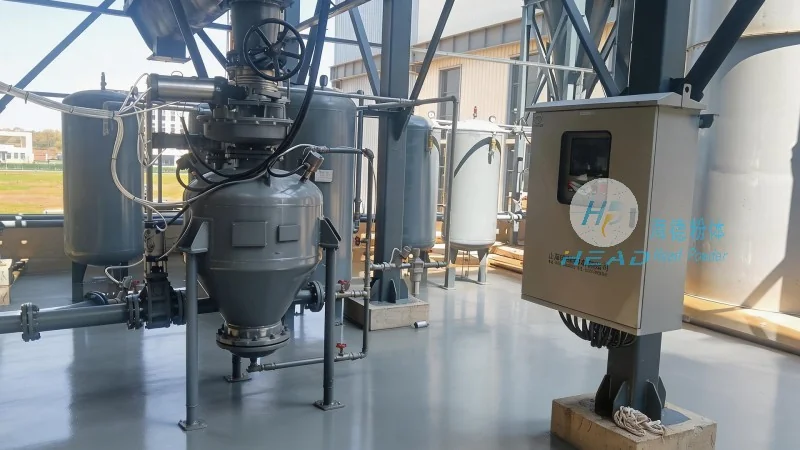
Factors to Consider in Designing Artificial Graphite Material Handling Systems
When designing artificial graphite material handling systems, several factors must be considered to ensure the system meets the specific needs of the application. The first factor is the material's properties, such as its particle size, density, and flow characteristics, which affect the choice of conveying equipment and storage containers. The second factor is the scale of the operation, as large-scale systems require more robust and efficient components. The third factor is the environmental and safety regulations, which may require additional measures such as dust control and ventilation systems. Finally, the cost of the system must be considered, as different components and designs have varying costs and long-term operational expenses.
Conclusion
Artificial graphite material handling systems are essential in industries that rely on this unique material, providing efficient and safe methods to transport and manage artificial graphite. The design principles, components, and applications of these systems are tailored to the specific needs of the industry, ensuring optimal performance and minimal contamination. As the demand for artificial graphite continues to grow, the importance of well-designed material handling systems will only increase, making them a critical component in the production and use of artificial graphite.




