Shandong HeadPowder Engineering Co., Ltd., commonly known as HeadPowder, is a professional manufacturer and supplier based in Shandong, China. The company specializes in the design, production, and installation of rapeseed pneumatic conveying systems, which are essential for efficient and safe transportation of rapeseed in agricultural and industrial applications. This article provides an overview of the classification and key components of such systems, highlighting the technical aspects and practical applications.
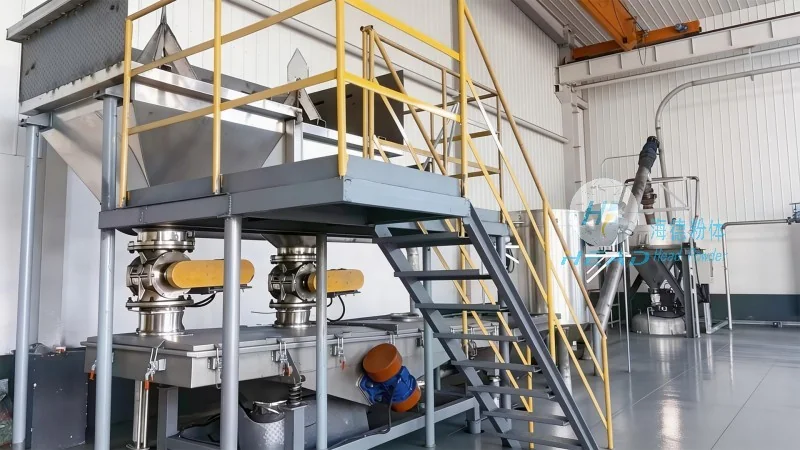
Introduction to Rapeseed Pneumatic Conveying Systems
Rapeseed pneumatic conveying systems are engineered to transport rapeseed from one location to another using air as the conveying medium. These systems are widely used in the oilseed processing industry due to their ability to handle bulk materials efficiently while minimizing product damage and contamination. The systems are designed to meet various operational requirements, including different capacities, distances, and environmental conditions. HeadPowder, with its extensive experience in the field, offers customized solutions tailored to the specific needs of clients.
Classification of Rapeseed Pneumatic Conveying Systems
The classification of rapeseed pneumatic conveying systems is primarily based on the pressure of the conveying air and the direction of material flow. The main categories include:
1. Positive Pressure Systems: In these systems, air is blown into the conveying line, creating a positive pressure that pushes the material forward. Positive pressure systems are suitable for short to medium distances and are commonly used in applications where the material is light and requires gentle handling. They are also effective for transporting materials that are prone to dust generation or require airtight containment.
2. Negative Pressure (Suction) Systems: Negative pressure systems operate by creating a vacuum in the conveying line, which draws the material into the system. These systems are ideal for long-distance transportation and are often used in applications where the material is heavy or requires a more controlled flow. Negative pressure systems are also beneficial for handling materials that are sensitive to pressure changes or for applications where the receiving end is at a lower elevation.
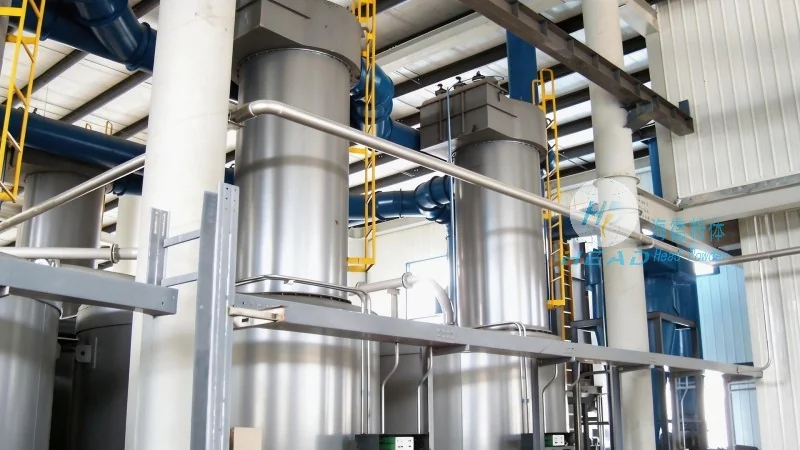
3. Hybrid Systems: Hybrid systems combine elements of both positive and negative pressure systems. They use a combination of blowing and suction to optimize the conveying process. This approach is particularly useful for complex layouts or when the system needs to handle a wide range of material types and sizes. Hybrid systems offer flexibility and can be adapted to various operational scenarios, making them a popular choice in modern industrial settings.
Key Components of Rapeseed Pneumatic Conveying Systems
The rapeseed pneumatic conveying system consists of several critical components that work together to ensure efficient and reliable operation. The main components include:
1. Conveying Pipeline: The pipeline is the primary structure of the system, responsible for transporting the rapeseed and air. The material is typically conveyed in a dilute phase, where the material particles are suspended in the air stream. The pipeline is made of durable materials such as stainless steel or PVC, which are resistant to corrosion and wear from the material being transported. The design of the pipeline, including the diameter and length, is crucial for determining the system's capacity and efficiency.
2. Feeding Equipment: The feeding equipment is responsible for introducing the rapeseed into the conveying system. Common feeding devices include rotary valves, star feeders, and screw feeders. These devices ensure a consistent and controlled flow of material into the pipeline, preventing blockages and maintaining the system's performance. The choice of feeding equipment depends on the material's characteristics, such as bulk density and flowability, as well as the system's capacity requirements.
3. Air Supply System: The air supply system provides the necessary air pressure and volume for the conveying process. It typically includes a blower or a vacuum pump, along with air filters and regulators. The blower or pump generates the required pressure or vacuum, while the filters ensure that the air is clean and free from contaminants that could affect the material or the system components. The air supply system is designed to operate efficiently, minimizing energy consumption and maximizing the system's performance.
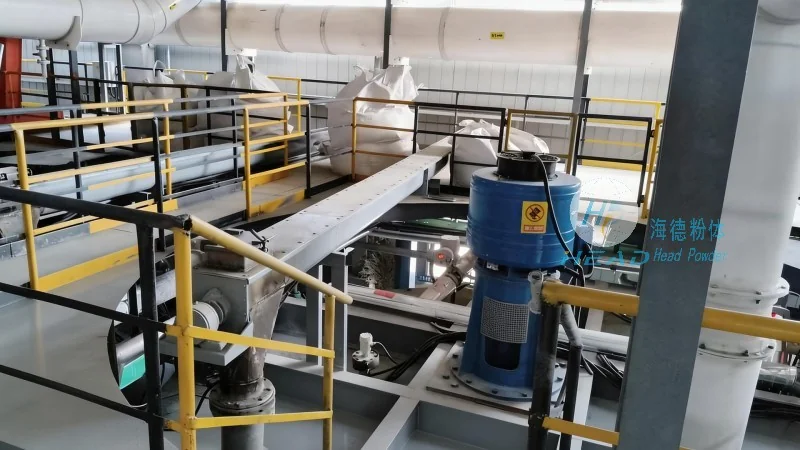
4. Separation and Cleaning Equipment: The separation equipment is used to separate the rapeseed from the air at the receiving end of the system. This is typically achieved using cyclone separators or bag filters. The cyclone separator uses centrifugal force to separate the material from the air, while the bag filter traps the material particles in its fabric. The separated rapeseed is then collected and stored, while the air is either recirculated or discharged. The cleaning equipment is essential for maintaining the system's efficiency and preventing clogging or contamination.
5. Control and Monitoring Systems: The control and monitoring systems are responsible for managing the operation of the pneumatic conveying system. These systems include sensors, controllers, and indicators that monitor parameters such as pressure, flow rate, and material level. The control system ensures that the system operates within safe and efficient parameters, automatically adjusting the air flow or feeding rate as needed. The monitoring system provides real-time data and alerts operators to any issues or deviations from the normal operating conditions. This helps in maintaining the system's performance and preventing downtime or damage to the equipment.
Applications and Benefits of Rapeseed Pneumatic Conveying Systems
Rapeseed pneumatic conveying systems are widely used in various applications, including oilseed processing plants, grain handling facilities, and agricultural storage facilities. The systems offer several benefits, including:
1. Efficient Material Handling: The systems can transport large quantities of rapeseed over long distances with minimal labor and equipment. This improves the overall efficiency of the processing operation and reduces the time required for material handling.
2. Reduced Product Damage: The gentle handling of the material by the pneumatic system minimizes damage to the rapeseed, preserving its quality and value. This is particularly important for high-value oilseeds that are sensitive to mechanical stress.
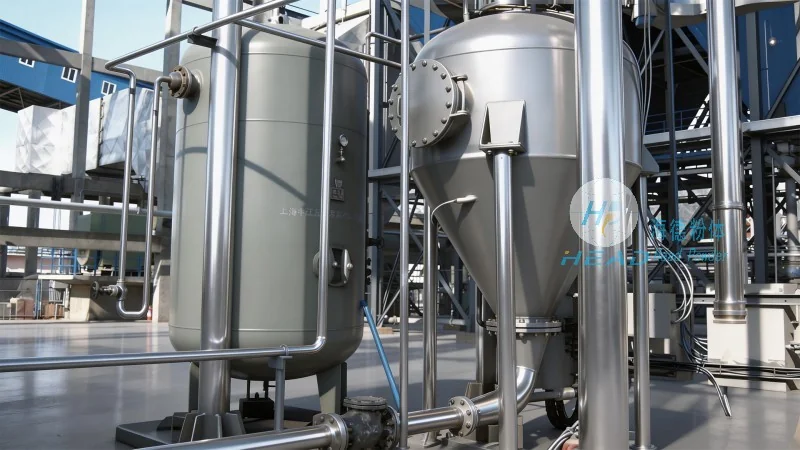
3. Improved Safety and Hygiene: The enclosed nature of the system prevents dust and contamination, enhancing safety for operators and maintaining hygiene standards. This is crucial in food processing industries where product purity is a top priority.
4. Cost-Effective Solution: Compared to traditional methods such as belt conveyors or bucket elevators, pneumatic conveying systems can be more cost-effective, especially for long-distance or complex layouts. The reduced maintenance and energy consumption further contribute to the overall cost savings.
5. Flexibility and Adaptability: The systems can be easily modified or expanded to accommodate changes in production requirements or facility layouts. This flexibility allows businesses to adapt to evolving market demands and operational needs.
Conclusion
Shandong HeadPowder Engineering Co., Ltd. provides comprehensive solutions for rapeseed pneumatic conveying systems, catering to the diverse needs of the agricultural and industrial sectors. By understanding the classification and key components of these systems, clients can make informed decisions about the most suitable equipment for their applications. The company's expertise in designing and manufacturing customized systems ensures that clients receive high-quality, efficient, and reliable solutions that meet their specific requirements. With its commitment to quality and innovation, HeadPowder continues to be a leading provider of pneumatic conveying systems in the industry.




