Mineral particle pneumatic conveying systems are essential in modern mineral processing and material handling operations. These systems efficiently transport bulk materials like minerals, powders, and granules through a pressurized or vacuum environment using air or other gases. The Shandong HeadPowder Engineering Co., Ltd. specializes in designing and manufacturing such systems, offering tailored solutions for diverse industrial applications.
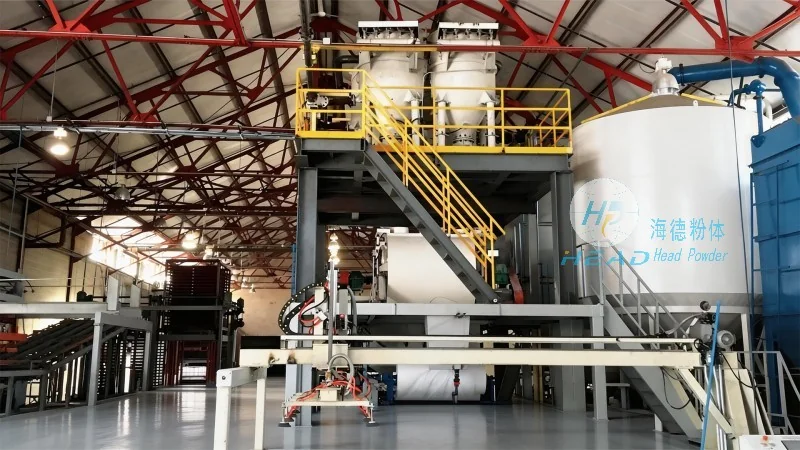
Classification of Mineral Particle Pneumatic Conveying Systems
Mineral particle pneumatic conveying systems can be broadly classified based on the operating principle and the pressure differentials used. The primary categories include:
- Positive Pressure Systems: These systems use a blower or compressor to generate positive pressure within the conveying line, pushing the material forward. They are suitable for long-distance and high-capacity transport of non-abrasive or moderately abrasive materials.
- Negative Pressure (Vacuum) Systems: In these systems, a vacuum pump creates a negative pressure in the line, drawing material from the source. They are ideal for applications requiring dust collection and material transfer from multiple sources or for handling fine powders that may be sensitive to pressure.
- Combined Systems: Some systems combine both positive and negative pressure elements, offering flexibility in handling different material types and conveying scenarios. This approach allows for more complex material flow management and can optimize energy usage based on the specific process requirements.
Each classification has its own advantages and is selected based on factors such as material characteristics, distance of transport, system size, and operational environment. For instance, positive pressure systems are often preferred for long-distance transport due to their higher pressure capabilities, while negative pressure systems excel in dust control and fine powder handling.
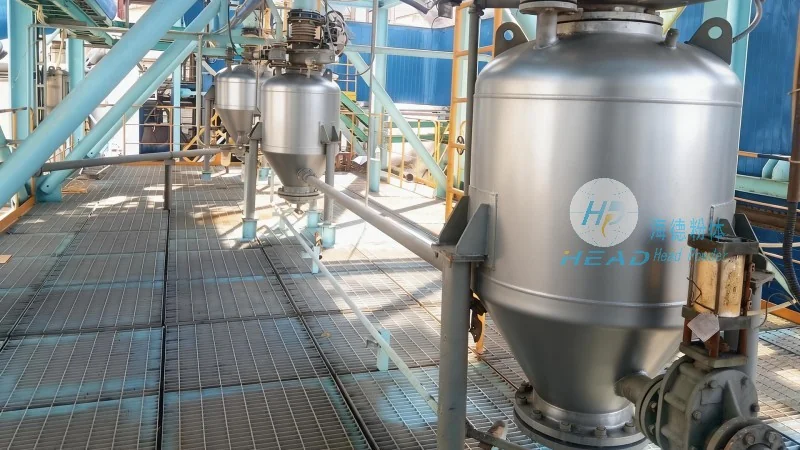
Key Components and Composition of Pneumatic Conveying Systems
The composition of a mineral particle pneumatic conveying system involves several critical components that work in tandem to ensure efficient material transport. The main components include:
- Conveying Line and Tubing: The pipeline through which the material and air travel. Materials like stainless steel, aluminum, or plastic are used, depending on the material being conveyed and the system's pressure requirements. The diameter and length of the line are designed to match the material flow rate and distance.
- Feed Hopper and Inlet: The hopper where the material is stored before being introduced into the system. It often includes a feeder mechanism (like a rotary valve or screw feeder) to control the material flow rate and prevent blockages. The inlet is designed to minimize pressure loss and ensure smooth material entry into the conveying line.
- Air Supply Unit (Blower or Compressor): The heart of the system, providing the necessary air pressure. Positive pressure systems use blowers, while negative pressure systems use vacuum pumps. The choice of equipment depends on the system's pressure needs and the power available. High-efficiency units are preferred to optimize energy consumption and reduce operational costs.
- Control Valves and Regulators: These components regulate the air flow and pressure within the system. They ensure stable operation and allow for adjustments based on changes in material flow or system conditions. Valves can be manual or automated, depending on the system's complexity and control requirements.
- Receiver and Discharge Outlet: The container where the material is deposited after being conveyed. The receiver is designed to handle the material's characteristics, such as abrasiveness or dust generation. The discharge outlet is positioned to direct the material to the next processing stage, ensuring smooth material transfer without blockages.
- Dust Collection and Filtration System: Essential for maintaining air quality and preventing dust emissions. This system typically includes a filter (like a baghouse or cartridge filter) and a fan to draw air through the filter and return clean air to the environment. It is particularly important in systems handling fine powders or in environments with strict air quality regulations.
Each component plays a vital role in the overall performance and efficiency of the pneumatic conveying system. Proper selection and integration of these components are critical to achieving optimal material transport, minimizing energy consumption, and ensuring long-term system reliability.
Application and Operational Considerations
Mineral particle pneumatic conveying systems are widely used in various industries, including mining, cement, food processing, and chemical manufacturing. The choice of system and its components depends on several operational factors:
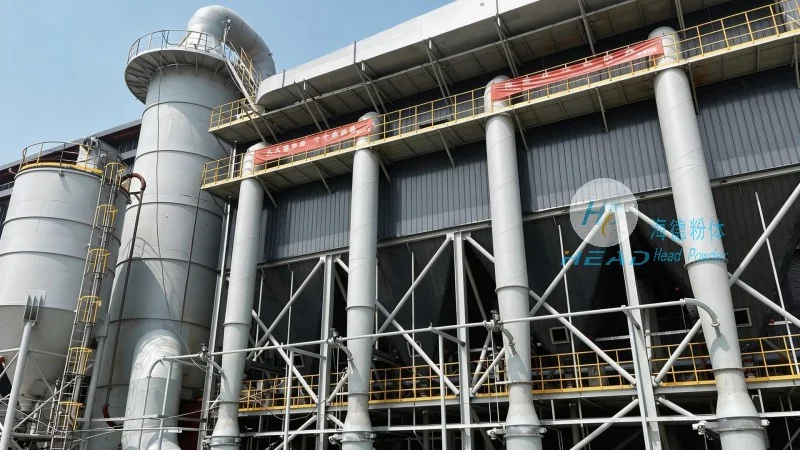
- Material Properties: The size, shape, density, and abrasiveness of the mineral particles affect the system's design. For example, abrasive materials may require more durable tubing and components to prevent wear and tear, while fine powders may need specialized feeders and filters to prevent clogging.
- Transport Distance and Capacity: The distance between the source and destination, as well as the required material flow rate, determine the system's size and pressure requirements. Longer distances or higher capacities may necessitate larger diameter lines, more powerful air supply units, and additional components like pulse jets or cyclones for material separation.
- Environmental and Safety Regulations: Compliance with local regulations regarding dust emissions and air quality is essential. Systems may need to include additional filtration or dust collection equipment to meet these standards, especially in industrial areas with strict environmental controls.
- Energy Efficiency: Modern systems focus on minimizing energy consumption through efficient air supply units, optimized line design, and smart control systems. This not only reduces operational costs but also contributes to sustainable industrial practices.
Proper maintenance and regular inspection of the system components are also crucial for ensuring consistent performance and extending the system's lifespan. This includes checking for wear and tear on tubing and components, cleaning filters regularly, and monitoring air pressure and flow rates.
Conclusion
Mineral particle pneumatic conveying systems are sophisticated and versatile solutions for efficient material handling in mineral processing and related industries. By understanding the classification and composition of these systems, industries can select the most appropriate equipment to meet their specific needs, ensuring optimal performance, energy efficiency, and compliance with operational and environmental standards. With advancements in technology, modern pneumatic conveying systems continue to evolve, offering improved capabilities and reduced operational costs, making them an indispensable part of contemporary industrial operations.




