Barley malt pneumatic conveying systems are critical in the malt processing sector, enabling efficient and safe transport of malt from storage to processing units. These systems utilize air or gas as the conveying medium to move bulk materials, offering advantages such as reduced labor costs, minimized contamination risk, and enhanced operational flexibility. Understanding the classification and composition of these systems is essential for selecting the most suitable solution for specific industrial applications.
Key Components of Barley Malt Pneumatic Conveying Systems
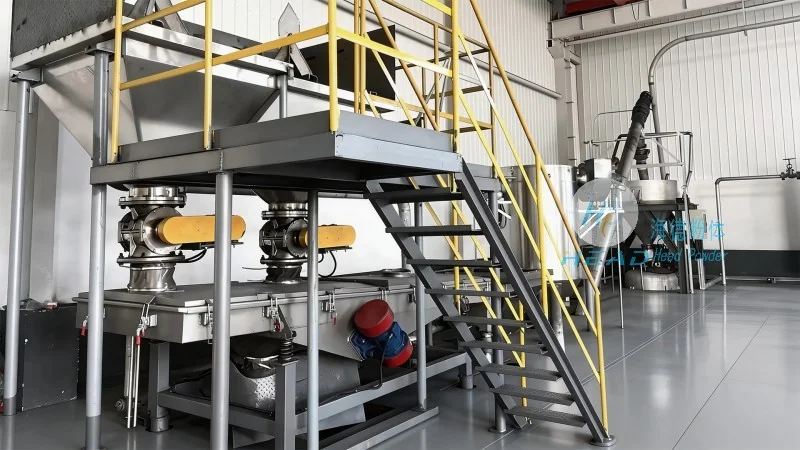
The core components of a typical barley malt pneumatic conveying system include the hopper, feeder, conveying line, and receiver. The hopper acts as the storage and feeding point, ensuring a consistent supply of malt to the system. The feeder, often a rotary valve or screw feeder, controls the flow rate of the material into the conveying line. The conveying line, which can be made of metal or flexible tubing, transports the malt using compressed air or gas. The receiver is the final destination, where the malt is deposited after the conveying process. Additionally, auxiliary components such as air filters, silencers, and pressure regulators are integral to maintaining system efficiency and safety.
Classification of Barley Malt Pneumatic Conveying Systems
Barley malt pneumatic conveying systems are primarily classified based on the conveying method and the pressure of the air or gas used. The two main categories are pressure systems and vacuum systems. Pressure systems operate by forcing air or gas into the conveying line under positive pressure, typically using a positive displacement blower or compressor. These systems are suitable for short to medium distances and can handle a wide range of particle sizes. Vacuum systems, conversely, create a negative pressure in the conveying line, drawing the malt from the hopper using a vacuum pump. Vacuum systems are ideal for longer distances and are often used in applications where the material needs to be transported from multiple sources.
Design Considerations for Barley Malt Pneumatic Conveying Systems
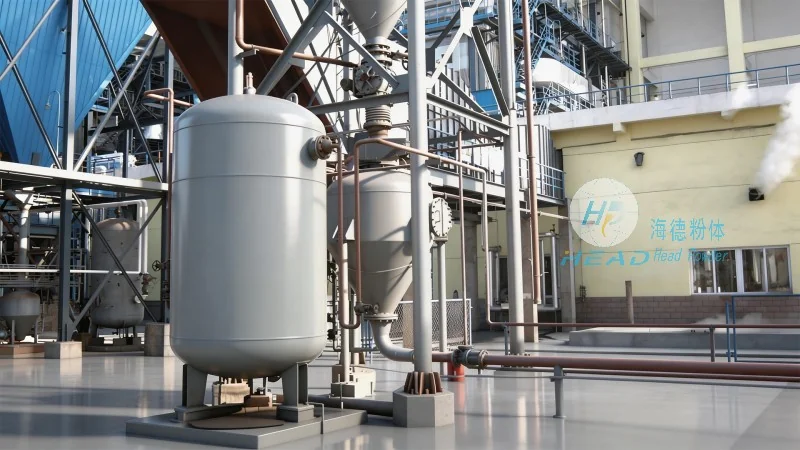
When designing a barley malt pneumatic conveying system, several factors must be considered to ensure optimal performance and longevity. Material compatibility is a critical factor, as the components must withstand the abrasive nature of malt and potential moisture content. The system's capacity and flow rate must match the production requirements of the malt processing facility. Additionally, the distance and layout of the conveying path influence the choice of system type and component specifications. Proper maintenance, including regular cleaning and inspection of the conveying line and air filters, is essential to prevent blockages and maintain efficiency.
Applications of Barley Malt Pneumatic Conveying Systems
Barley malt pneumatic conveying systems are widely used in various stages of malt production, including raw material handling, malting, and processing. In raw material handling, these systems efficiently transport malt from storage silos to the malting facility. During malting, they can move malt from the germination tanks to the kiln for drying. In processing, the systems are used to convey malt to the mashing and brewing units, ensuring a smooth and continuous production flow. The versatility of pneumatic conveying makes it a preferred choice in the malt industry due to its ability to handle bulk materials with minimal human intervention.
Advantages of Using Barley Malt Pneumatic Conveying Systems
Implementing a pneumatic conveying system for barley malt offers several advantages over traditional mechanical conveying methods. One of the primary benefits is the reduction in labor costs, as the system automates the material transport process. Additionally, pneumatic conveying minimizes the risk of contamination, as the material is enclosed within the conveying line, preventing exposure to dust and other contaminants. The system also provides improved operational flexibility, allowing for easy adjustments to the flow rate and conveying distance. Furthermore, the compact design of pneumatic conveying systems saves space in the processing facility, making them suitable for both new and existing installations.
Maintenance and Operational Tips for Barley Malt Pneumatic Conveying Systems
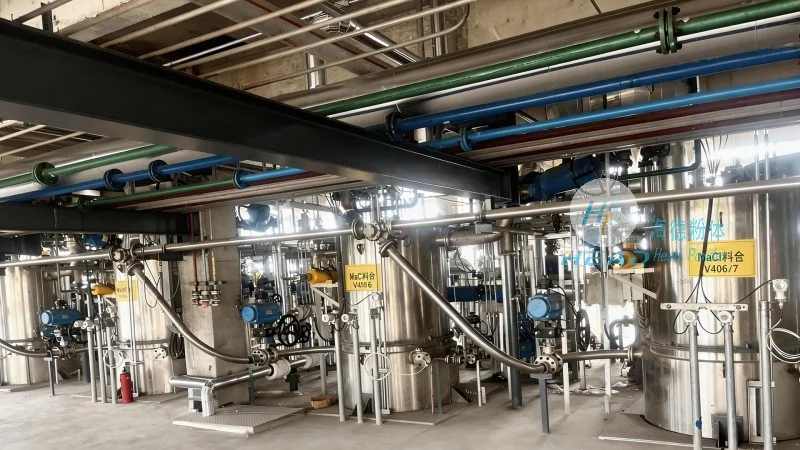
Proper maintenance is essential to ensure the long-term performance and reliability of barley malt pneumatic conveying systems. Regular cleaning of the hopper, feeder, and conveying line is necessary to prevent the buildup of residue and blockages. The air filters should be checked and replaced as needed to maintain air quality and prevent clogging of the system. Additionally, monitoring the pressure and flow rates during operation helps identify any issues early, allowing for timely repairs. It is also recommended to conduct periodic inspections of the system components, such as the blower or vacuum pump, to ensure they are functioning within the specified parameters.
Conclusion
Barley malt pneumatic conveying systems are a vital component of modern malt processing facilities, offering efficient, safe, and flexible material transport solutions. By understanding the classification and composition of these systems, industry professionals can select the most appropriate solution for their specific needs. With proper design, installation, and maintenance, pneumatic conveying systems can significantly enhance the productivity and efficiency of malt production operations. As a leading provider in the industry, Shandong HeadPowder Engineering Co., Ltd. specializes in designing and manufacturing high-quality pneumatic conveying systems tailored to the unique requirements of malt processing facilities.




