Sodium sulfate powder, a widely used industrial chemical, often requires efficient material handling solutions to ensure smooth operations in various industrial processes. Material handling for sodium sulfate powder involves the movement, storage, and transfer of this fine powder from one location to another within a facility. The design of such systems is critical as it directly impacts operational efficiency, safety, and product quality. This article explores the fundamental aspects of sodium sulfate powder material handling and the key design principles that guide the development of effective systems.
About HeadPowder: Your Partner in Material Handling Solutions
HeadPowder, a leading provider of material handling equipment and solutions, has extensive experience in addressing the unique challenges of handling sodium sulfate powder. As a company based in Shandong, China, HeadPowder Engineering Co., Ltd. specializes in designing and manufacturing customized material handling systems tailored to the specific needs of industrial clients. With a strong commitment to quality and innovation, HeadPowder has become a trusted name in the industry, offering reliable solutions that enhance productivity and safety in material handling operations.
Key Considerations in Sodium Sulfate Powder Material Handling
The successful design of a sodium sulfate powder material handling system depends on several critical factors. First, the physical properties of the powder itself play a significant role. Sodium sulfate is typically a fine, free-flowing powder with specific characteristics such as particle size distribution, moisture content, and bulk density. These properties influence how the powder behaves during handling, including its flowability, tendency to caking, and resistance to segregation. Understanding these characteristics is essential for selecting appropriate equipment and design parameters.
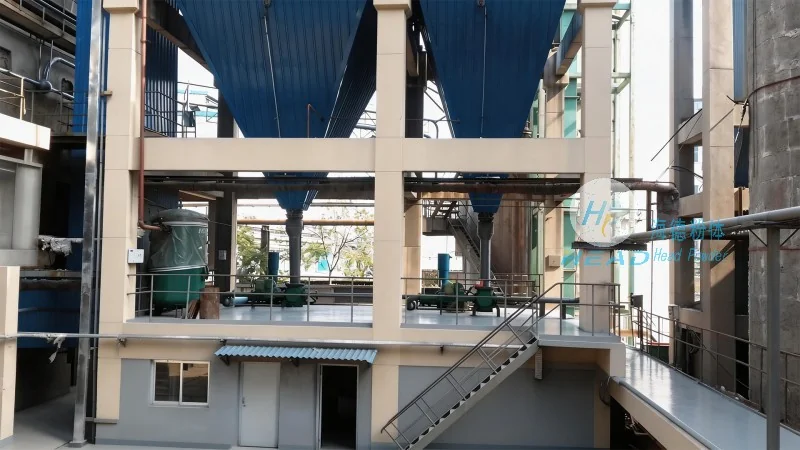
Second, the operational requirements of the facility must be carefully evaluated. This includes the volume of material to be handled, the distance between processing points, the frequency of material movement, and the desired throughput. The design must align with these operational demands to ensure optimal performance and minimize downtime. For example, in a large-scale industrial plant, a high-capacity conveyor system may be required to handle large volumes of sodium sulfate powder efficiently, while in a smaller facility, a more compact and flexible system might be more suitable.
Design Principles for Efficient Sodium Sulfate Powder Handling
Effective design of sodium sulfate powder material handling systems follows several fundamental principles. One of the primary principles is the minimization of material degradation and loss. This involves using equipment that prevents the powder from being exposed to excessive air, moisture, or mechanical stress, which can lead to caking, agglomeration, or loss of product quality. For instance, using enclosed conveyors and storage silos can help maintain the powder's integrity and prevent contamination.
Another important principle is the promotion of uniform flow and prevention of segregation. Segregation occurs when different particle sizes or densities within the powder separate during handling, leading to uneven distribution and potential quality issues. Design solutions such as using inclined chutes, vibrators, or agitators can help maintain a consistent flow and prevent segregation. Additionally, ensuring proper feeding and discharge mechanisms, such as using rotary valves or screw feeders, can contribute to smooth material movement and reduce the risk of blockages.
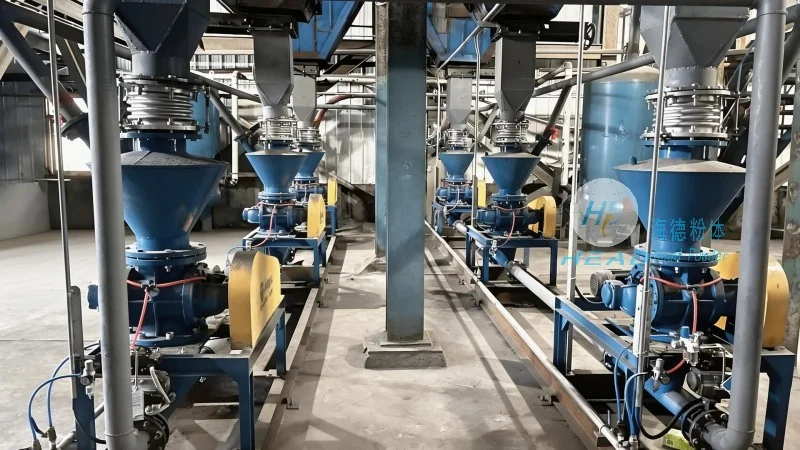
Energy efficiency is also a key consideration in the design of sodium sulfate powder handling systems. By optimizing the equipment selection and system layout, energy consumption can be minimized, leading to cost savings and reduced environmental impact. This may involve using energy-efficient motors, optimizing conveyor speeds, or implementing variable frequency drives to adjust power usage based on operational needs.
Equipment Selection for Sodium Sulfate Powder Handling
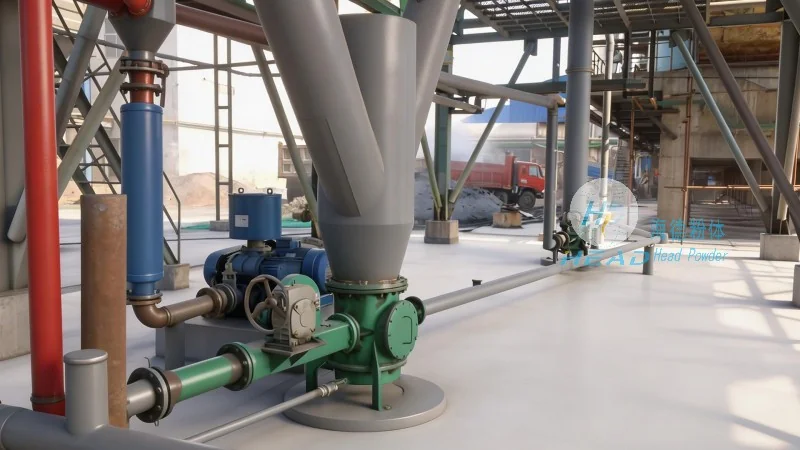
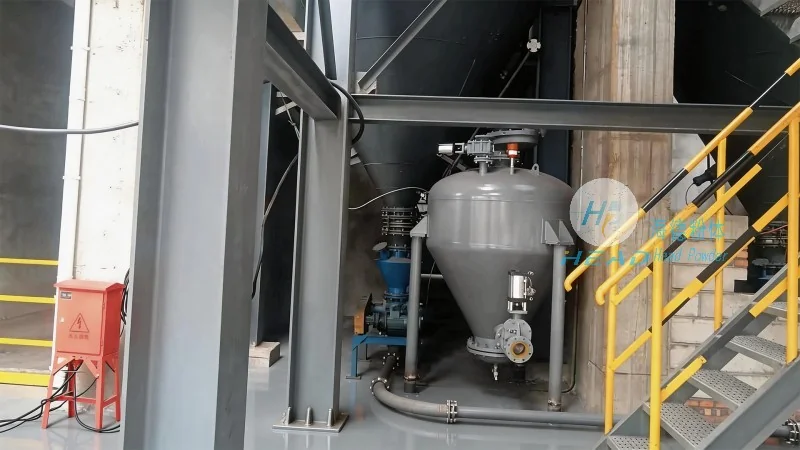
Choosing the right equipment is crucial for the successful operation of a sodium sulfate powder material handling system. Common equipment used in such systems includes belt conveyors, screw conveyors, pneumatic conveyors, and storage silos. Belt conveyors are widely used for horizontal and inclined transport due to their high capacity and ability to handle large volumes of powder. Screw conveyors are suitable for vertical or horizontal transport and can be used in enclosed systems to prevent dust and contamination. Pneumatic conveyors, on the other hand, use air pressure to transport the powder, which is ideal for handling fine powders over long distances or in complex layouts.
Storage silos are also an essential component of the material handling system, providing a controlled environment for storing sodium sulfate powder. These silos are typically designed with features such as aeration systems to prevent caking and agitators to maintain uniform material flow. The design of the silo must consider factors such as the powder's bulk density, flowability, and the need for easy access for loading and unloading.
Ensuring Safety and Compliance in Sodium Sulfate Powder Handling
Material handling systems for sodium sulfate powder must adhere to safety and regulatory standards to protect workers and the environment. This includes implementing measures to control dust emissions, prevent dust explosions, and ensure proper ventilation. Dust control systems such as dust collectors and enclosures are commonly used to minimize the release of fine powder into the air. Additionally, explosion-proof designs may be required in certain applications to comply with safety regulations.
Proper training for operators and regular maintenance of equipment are also critical for ensuring safe and efficient operation. Regular inspections and maintenance can help identify and address potential issues before they lead to accidents or equipment failure. By prioritizing safety and compliance, companies can ensure the long-term reliability and effectiveness of their sodium sulfate powder handling systems.




