Soybean grain pneumatic conveying systems are specialized equipment designed to transport bulk materials like soybeans efficiently and safely. These systems utilize air as the primary medium to move grains through a network of pipes and components, offering a flexible and effective solution for handling large volumes of soybean products in agricultural and food processing operations. The core function of such systems is to lift, transport, and discharge soybeans from one location to another without the need for mechanical components that come into direct contact with the product, which is crucial for maintaining product quality and hygiene standards.
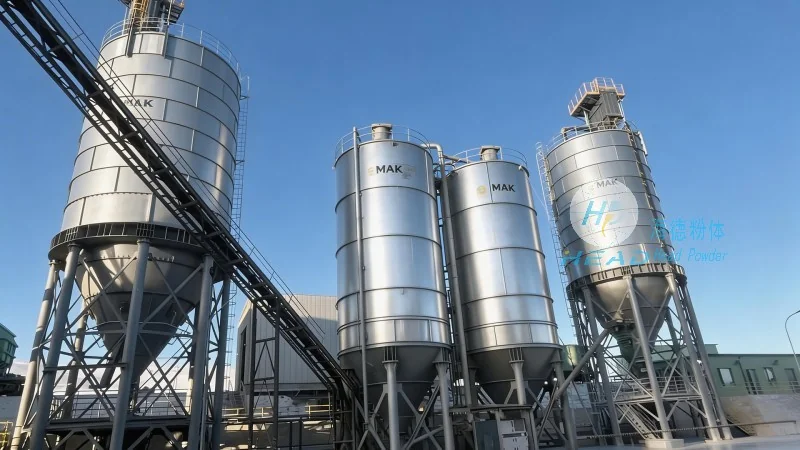
HeadPowder: A Leader in Soybean Pneumatic Conveying Solutions
HeadPowder, a leading manufacturer based in Shandong, China, specializes in the design, manufacturing, and installation of high-quality pneumatic conveying systems tailored for soybean grain applications. With years of experience in the industry, HeadPowder has developed robust solutions that meet the specific demands of soybean processing facilities, ensuring reliability, efficiency, and durability.
The Core Design Principles of Soybean Grain Pneumatic Conveying Systems
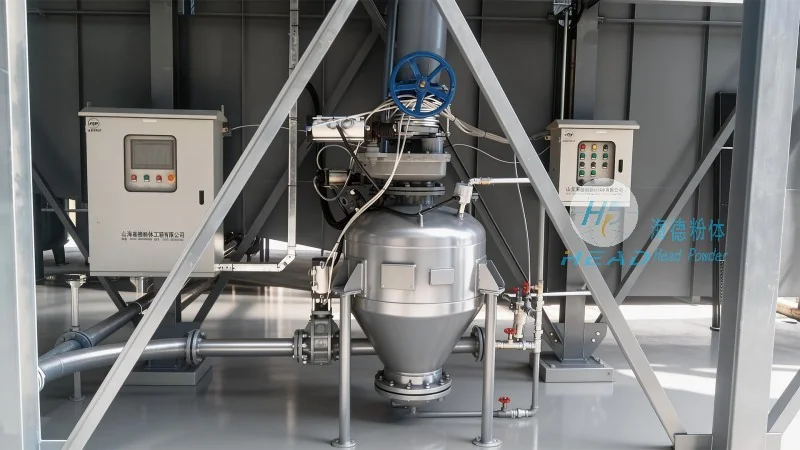
The design principles of soybean grain pneumatic conveying systems revolve around several key components and operational mechanisms. At the heart of the system is the air compressor, which generates the necessary pressure to move the soybeans through the pipeline. The system typically includes a hopper or storage bin where the soybeans are loaded, a feeder that controls the flow rate, and a series of pipes that guide the material to the discharge point. The air flow is managed by control valves and regulators to maintain optimal pressure and flow rates, preventing clogging and ensuring smooth operation.
Conveying Method Selection: Dilute-Phase vs. Dense-Phase
One of the critical design aspects is the selection of the appropriate conveying method, such as dilute-phase or dense-phase transport. Dilute-phase systems use higher air velocities to keep the soybeans suspended in the air, suitable for short to medium distances. Dense-phase systems, on the other hand, use lower air velocities and higher material-to-air ratios, ideal for longer distances and more delicate materials like soybeans, as they minimize product degradation and abrasion. HeadPowder's engineers carefully evaluate the specific requirements of each project, including the distance, elevation change, and material characteristics, to determine the most suitable conveying method.
Component Engineering and Material Selection
The system's components are engineered to withstand the abrasive nature of soybean grains, ensuring long-term performance. Materials like stainless steel and high-grade plastics are commonly used for parts that come into contact with the product, providing resistance to corrosion and wear. The hopper and feeder are designed with smooth surfaces and appropriate angles to prevent material buildup and ensure consistent flow. The discharge equipment, such as rotary valves or airlocks, is designed to handle the material efficiently and prevent backflow or spillage.
Energy Efficiency and Operational Optimization
Energy efficiency is another important consideration in the design of soybean grain pneumatic conveying systems. Modern systems incorporate energy-saving features like variable frequency drives (VFDs) for the air compressor, which adjust the motor speed based on the actual demand, reducing energy consumption during low-load periods. Additionally, the system's layout is optimized to minimize the length of the pipeline and the number of bends, which reduces pressure drop and energy requirements.
Maintenance and Long-Term Reliability
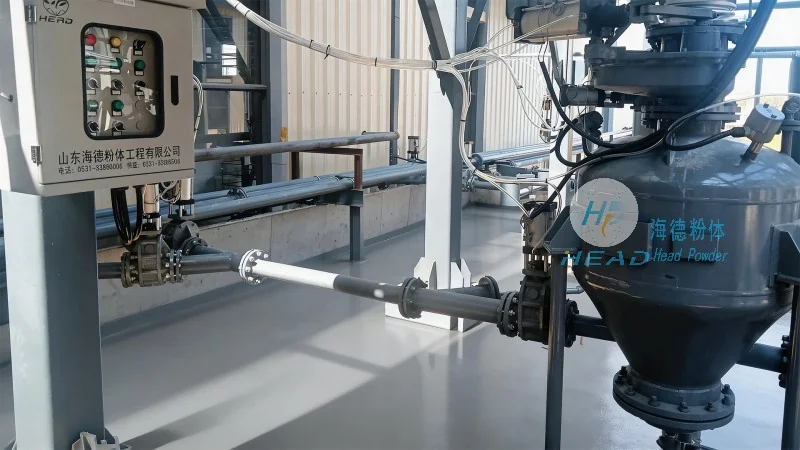
Maintenance and operational considerations are also integral to the design. HeadPowder's systems are equipped with easy-to-access components and monitoring systems that allow operators to track performance and detect potential issues early. Regular maintenance schedules are recommended to ensure the system operates at peak efficiency and to extend its service life. The use of filters and separators in the system helps to remove dust and debris from the air, protecting the equipment and maintaining air quality.
Conclusion: The Value of HeadPowder's Soybean Pneumatic Conveying Systems
In summary, soybean grain pneumatic conveying systems are sophisticated pieces of equipment that combine advanced engineering with practical design to meet the needs of modern soybean processing. HeadPowder's expertise in this field ensures that their systems are not only effective in transporting soybeans but also reliable, efficient, and durable, providing long-term value to their clients. By understanding the design principles and components of these systems, users can make informed decisions about the best solution for their specific soybean handling requirements.




