HeadPowder, a leading enterprise in the field of powder handling and conveying systems, specializes in providing advanced solutions for the efficient transport of silica powder. This article delves into the technical aspects of pneumatic conveying, focusing on the two primary modes: positive pressure and negative pressure systems. Understanding the differences between these modes is crucial for selecting the most suitable technology for specific industrial applications, ensuring optimal performance, and minimizing operational challenges.
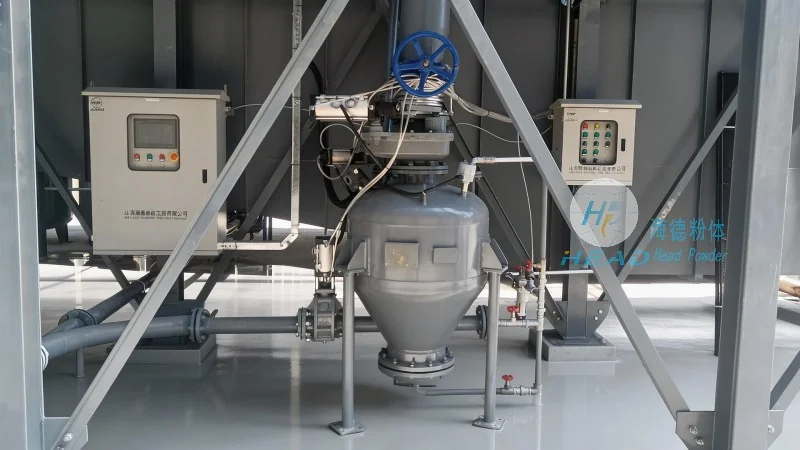
The company, Shandong HeadPowder Engineering Co., Ltd., based in Shandong, China, has extensive experience in designing and implementing customized pneumatic conveying solutions tailored to the unique requirements of various industries. With a strong commitment to innovation and quality, HeadPowder leverages cutting-edge technology to enhance the efficiency and reliability of powder transport processes. This overview aims to provide a comprehensive comparison of positive and negative pressure pneumatic conveying systems, highlighting their respective advantages, limitations, and ideal use cases for silica powder handling.
Positive Pressure Pneumatic Conveying Systems
Positive pressure systems, also known as pressure conveying systems, operate by forcing air or a carrier gas through the conveying line at a pressure higher than the ambient air pressure. In this mode, the material is transported by the pressure differential created by the compressor or blower. The primary advantage of positive pressure systems is their ability to handle long conveying distances and multiple transfer points without significant pressure loss. This makes them ideal for applications where the powder needs to be transported over considerable distances or through complex network configurations.
For silica powder, positive pressure systems are particularly effective in scenarios where the material is to be conveyed from a central storage silo to multiple processing units or packaging lines. The high-pressure operation ensures that the powder flows consistently through the pipeline, reducing the risk of blockages and ensuring a steady supply to downstream equipment. Additionally, these systems can handle a wide range of particle sizes and moisture content, making them versatile for various silica applications, including industrial manufacturing, pharmaceuticals, and food processing.
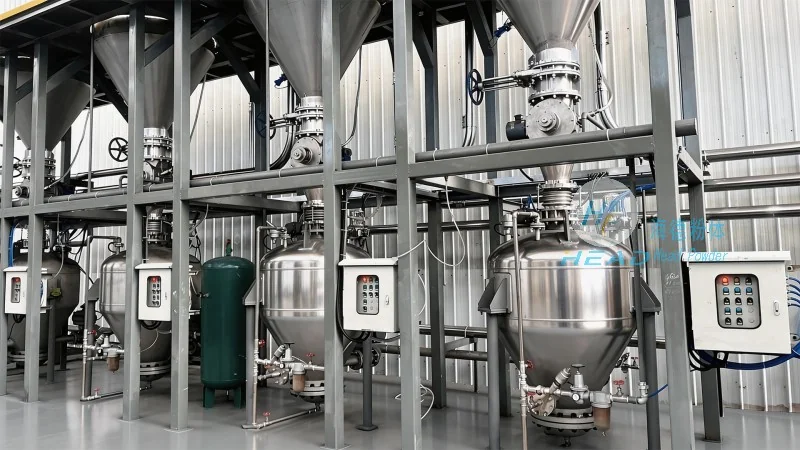
However, positive pressure systems require robust sealing and maintenance to prevent air leakage, which can lead to product contamination and energy inefficiency. The high operating pressures also necessitate the use of durable materials for the conveying line and components, increasing the initial investment cost. Furthermore, the systems may generate higher noise levels and require more space for the compressor and air treatment equipment, which can be a constraint in compact industrial settings.
Negative Pressure Pneumatic Conveying Systems
Negative pressure systems, or vacuum conveying systems, work by creating a vacuum in the conveying line, drawing the powder from the source into the system. The material is then transported by the pressure difference between the source and the receiver, which is at a lower pressure than the ambient air. This mode is particularly suitable for applications where the powder needs to be collected from a dispersed source or transported over relatively short distances.
In the context of silica powder, negative pressure systems are commonly used for handling fine powders that are prone to dust generation and require gentle handling. The vacuum operation minimizes particle breakage and reduces the risk of dust contamination, making them ideal for applications in the pharmaceutical and food industries where product purity is paramount. Additionally, these systems are more compact and require less space for installation compared to positive pressure systems, as they do not need a large compressor or air treatment unit.
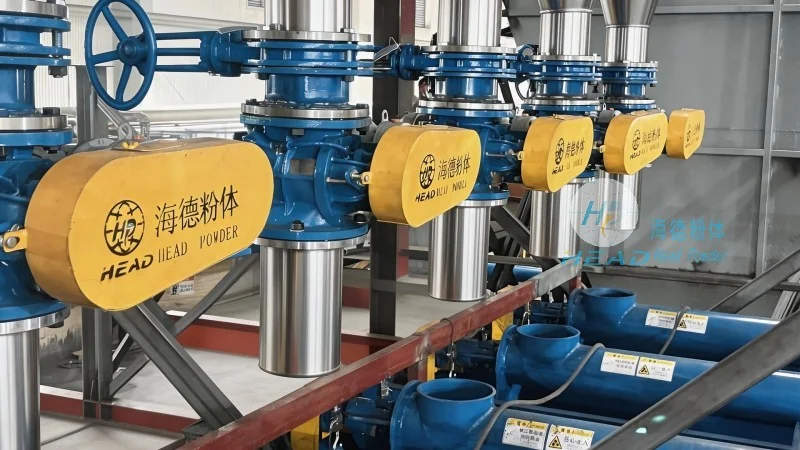
Nevertheless, negative pressure systems have limitations in terms of conveying distance and throughput. The pressure differential is limited, which restricts the ability to transport powder over long distances or through multiple transfer points without significant pressure drop. This can be a challenge when dealing with large volumes of silica powder or when the source and receiver are far apart. Moreover, the systems are more susceptible to clogging due to the lower pressure, and the vacuum can cause air infiltration into the powder, potentially affecting its properties and quality.
Key Considerations for Selecting the Right System
When choosing between positive and negative pressure pneumatic conveying systems for silica powder, several factors must be considered to ensure optimal performance and cost-effectiveness. The primary considerations include the conveying distance, the volume of powder to be transported, the particle size and characteristics of the silica, and the specific requirements of the downstream processing equipment.
For long-distance or multi-point conveying over distances exceeding 100 meters, positive pressure systems are generally more suitable due to their ability to maintain pressure and handle higher throughput. Conversely, for short-distance or point-to-point transport, negative pressure systems may offer a more economical solution, especially when dealing with fine powders that require gentle handling.
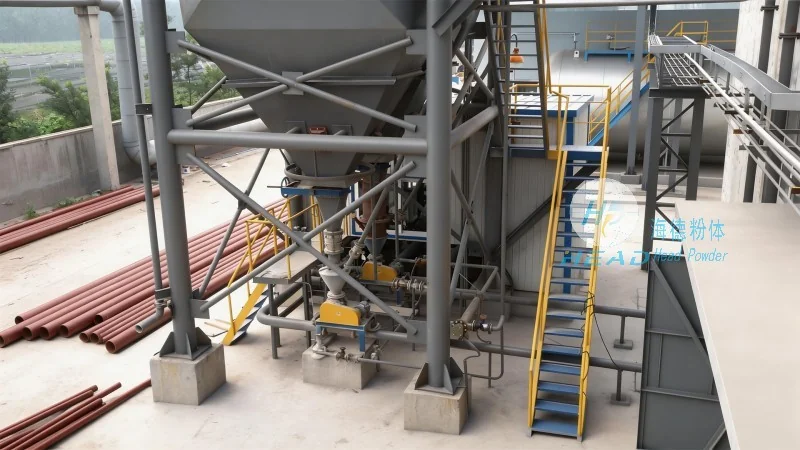
The particle size and moisture content of the silica powder also play a critical role in system selection. Coarser particles may be better suited for positive pressure systems, as they are less likely to cause clogging and can withstand higher pressure differentials. In contrast, fine or ultrafine powders, which are more prone to dust and clogging, may benefit from the gentler vacuum operation of negative pressure systems.
Furthermore, the downstream processing requirements, such as the need for dust-free environments or specific product quality standards, can influence the choice of system. Positive pressure systems may be preferred in industrial settings where dust control is less critical, while negative pressure systems are essential in pharmaceutical or food applications where product purity and contamination prevention are non-negotiable.
Conclusion
Both positive and negative pressure pneumatic conveying systems offer viable solutions for the transport of silica powder, each with its own set of advantages and limitations. The selection of the appropriate system depends on a careful evaluation of the specific operational requirements, including distance, volume, particle characteristics, and downstream processing needs. HeadPowder, with its expertise in powder handling technology, provides customized solutions that optimize the performance and efficiency of pneumatic conveying systems for silica powder applications. By understanding the technical differences between these modes and considering the specific needs of the application, industries can choose the most effective and cost-efficient conveying method to ensure smooth and reliable powder transport operations.




