HeadPowder, a leading engineering company based in Shandong, China, specializes in the design and implementation of advanced pneumatic conveying systems for various industrial applications. This article provides a detailed analysis of glass slag handling using pneumatic conveying technology, focusing on the comparison between positive and negative pressure modes. Understanding the differences and applications of these two modes is crucial for optimizing material transport efficiency and system performance in glass manufacturing and related industries.
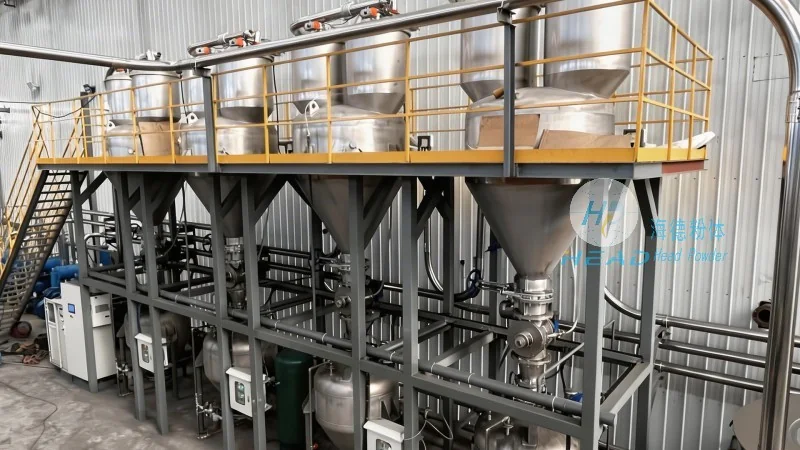
Overview of Pneumatic Conveying Technology for Glass Slag
Pneumatic conveying is a method of transporting bulk materials through a pipeline using air or gas as the conveying medium. It offers several advantages over traditional mechanical conveying systems, including reduced equipment wear, lower maintenance costs, and the ability to handle abrasive materials like glass slag. The technology is widely used in the glass industry for transporting raw materials, waste, and byproducts, ensuring safe and efficient material movement within production facilities.
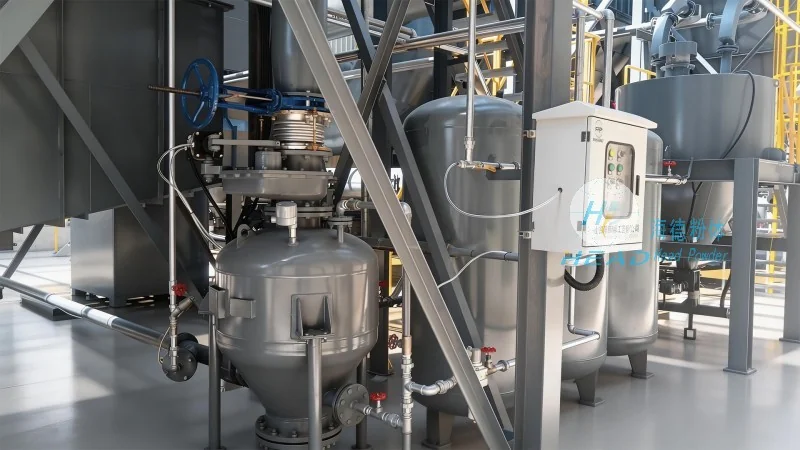
Positive Pressure Pneumatic Conveying System
Positive pressure systems operate by blowing air or gas into the conveying line, creating a pressure higher than the ambient air pressure. This method is commonly used for short to medium distance transport and for materials that are relatively dry and free-flowing. In the context of glass slag, positive pressure systems can effectively handle the material by creating a consistent flow through the pipeline. The system typically includes a blower, a hopper for material storage, and a pipeline network that transports the glass slag to the desired destination. The positive pressure approach ensures that the material is pushed through the system, reducing the risk of blockages and ensuring reliable operation. HeadPowder's expertise in designing positive pressure systems allows for customized solutions tailored to specific glass slag characteristics and plant requirements.
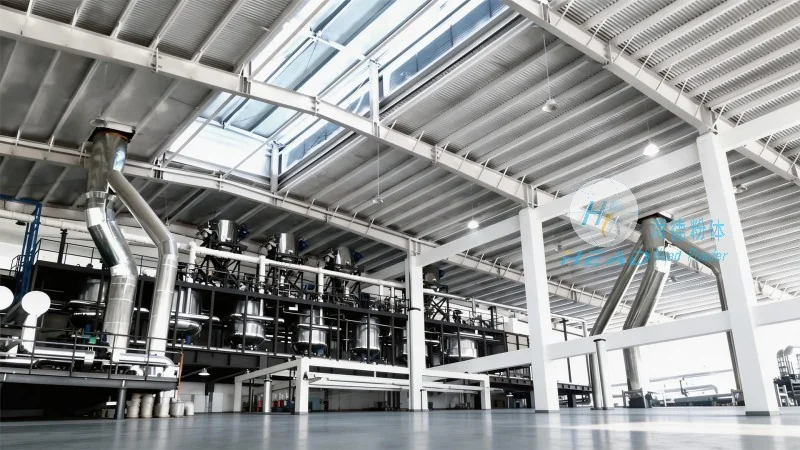
Negative Pressure Pneumatic Conveying System
Negative pressure systems, also known as vacuum conveying, operate by creating a vacuum in the conveying line, drawing material from the source into the pipeline. This method is ideal for longer distances and for handling materials that are more cohesive or have higher moisture content. For glass slag, negative pressure systems can effectively transport the material by creating a suction force that pulls the particles through the pipeline. The system includes a vacuum pump, a hopper, and a collection point at the end of the line. Negative pressure conveying is particularly useful when the glass slag needs to be transported from a lower elevation to a higher one or when the material is prone to dust generation. HeadPowder's engineers have extensive experience in designing negative pressure systems that meet the specific demands of glass slag handling, ensuring efficient and safe material transport.
Key Factors in Choosing Between Positive and Negative Pressure Modes
The selection between positive and negative pressure pneumatic conveying systems depends on several factors, including the distance of transport, the physical properties of the glass slag (such as particle size, moisture content, and abrasiveness), and the overall system layout. For shorter distances and dry, free-flowing glass slag, positive pressure systems are often more economical and efficient. Conversely, for longer distances or materials with higher moisture content, negative pressure systems may provide better performance. Additionally, the system's energy consumption and maintenance requirements play a role in the decision-making process. HeadPowder's technical team conducts thorough assessments of each project to determine the most suitable mode, ensuring optimal performance and cost-effectiveness.
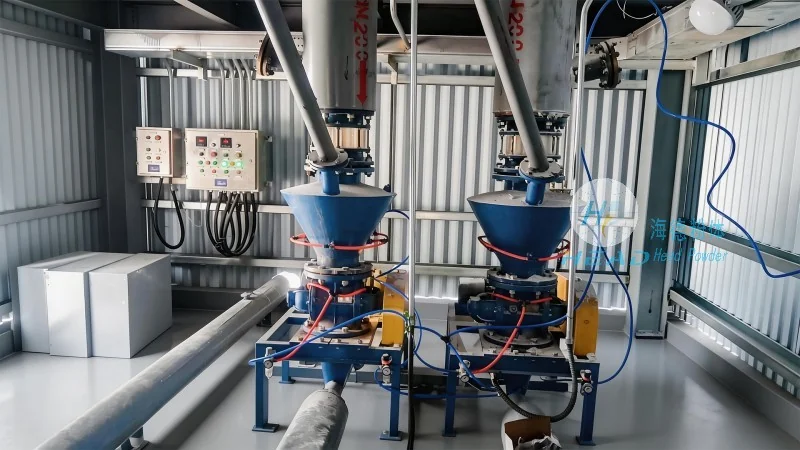
Benefits of HeadPowder's Pneumatic Conveying Solutions
HeadPowder Engineering Co., Ltd., based in Shandong, China, offers comprehensive pneumatic conveying solutions for glass slag handling. The company's expertise in both positive and negative pressure systems allows for tailored designs that meet the unique needs of each client. By leveraging advanced engineering principles and industry best practices, HeadPowder ensures that its systems provide high efficiency, reliability, and durability. The company's solutions are designed to minimize downtime, reduce operational costs, and enhance overall production efficiency in glass manufacturing facilities. With a focus on customer satisfaction and long-term partnerships, HeadPowder continues to be a trusted provider of pneumatic conveying technology for glass slag transport.




