Fine coal powder is a critical material in many industrial processes, and efficient transportation of this material is essential for maintaining production efficiency and safety. Pneumatic conveying technology has emerged as a reliable method for transporting fine coal powder over long distances and in various industrial settings. This technology involves using air or gas to move solid particles through a pipeline system. The choice between positive pressure and negative pressure modes in pneumatic conveying systems is a key decision that impacts system performance, cost, and operational safety. Understanding the differences and advantages of each mode is crucial for selecting the most suitable solution for specific applications.
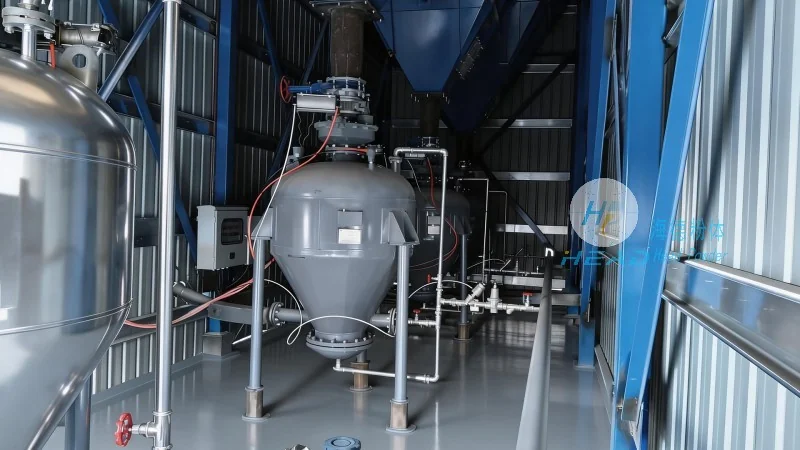
Positive Pressure Pneumatic Conveying Mode
Positive pressure pneumatic conveying operates by blowing air or gas into the conveying pipeline, creating a pressure higher than the ambient air pressure. This mode is often used for short to medium distance conveying and for materials that are prone to dust explosion or require controlled dust emission. The system typically includes a blower or compressor at the inlet, which supplies the necessary pressure to move the coal powder. The positive pressure system ensures that the material is continuously pushed through the pipeline, reducing the risk of blockages and ensuring a consistent flow rate. This mode is particularly effective for conveying fine coal powder in applications where the material is sensitive to moisture or where dust control is a priority. The positive pressure system also allows for easier integration with other process equipment, as the high-pressure air can be used for other functions within the plant.
Negative Pressure Pneumatic Conveying Mode
Negative pressure pneumatic conveying, also known as suction or vacuum conveying, operates by creating a vacuum in the conveying pipeline, which draws the coal powder into the system. This mode is commonly used for longer distances and for materials that are less sensitive to dust explosion or where the material is to be collected from a source that is not easily accessible. The system typically includes a vacuum pump at the inlet, which creates the necessary suction to draw the material. The negative pressure system is generally more energy-efficient for long-distance conveying, as it requires less power to maintain the vacuum compared to the pressure required for positive pressure systems. However, it may be more susceptible to blockages and material buildup in the pipeline, especially with high moisture content or sticky coal powders. The negative pressure mode is also suitable for applications where the material needs to be collected from multiple points or where the source is at a higher elevation than the destination.
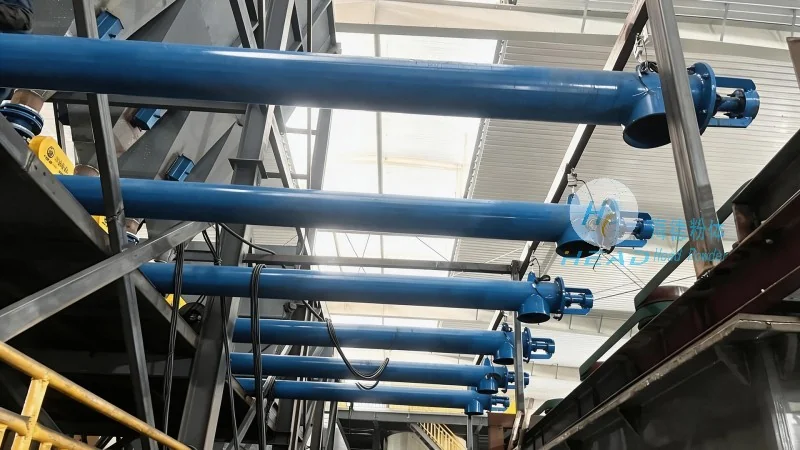
Comparison of Positive and Negative Pressure Modes
When comparing positive and negative pressure pneumatic conveying modes for fine coal powder, several factors need to be considered. The primary difference lies in the pressure differential and the direction of material movement. Positive pressure systems push the material, while negative pressure systems pull the material. This difference affects the system's energy consumption, maintenance requirements, and suitability for different material characteristics. Positive pressure systems generally have higher energy consumption due to the need to maintain a higher pressure, but they offer better control over material flow and are less prone to blockages. Negative pressure systems are more energy-efficient for long distances but may require more frequent maintenance to prevent clogging. The choice between the two modes also depends on the distance of the conveying line, the material's properties (such as moisture content, particle size, and dust explosion risk), and the available space and infrastructure at the site. For example, a short-distance conveying of fine coal powder with high dust explosion risk might favor a positive pressure system, while a long-distance conveying of less sensitive material might be more cost-effective with a negative pressure system.
Key Considerations for Selecting the Right Pneumatic Conveying Mode
Choosing the appropriate pneumatic conveying mode for fine coal powder involves a careful evaluation of several technical and operational factors. The first consideration is the distance of the conveying line. Short to medium distances (typically up to a few hundred meters) are often better suited for positive pressure systems, as they provide better control and lower risk of blockages. For longer distances (over a few hundred meters), negative pressure systems may be more economical due to lower energy consumption. The second factor is the material properties. Fine coal powders with high moisture content or sticky characteristics may be more challenging to convey with negative pressure systems, as they are more prone to clogging. In such cases, positive pressure systems with appropriate additives or equipment (such as rotary valves or airlocks) may be necessary to prevent blockages. The third factor is the dust explosion risk. Materials that are prone to dust explosion, such as fine coal powders, may require positive pressure systems with explosion-proof components or additional safety measures. The fourth factor is the system integration and space constraints. Positive pressure systems may require more space for the blower or compressor, while negative pressure systems may need a larger vacuum pump and more extensive piping. The final consideration is the cost and maintenance. Positive pressure systems may have higher initial costs due to the need for high-pressure components, but they may have lower long-term maintenance costs due to fewer blockages. Negative pressure systems may have lower initial costs but higher long-term maintenance costs due to more frequent cleaning and repairs.
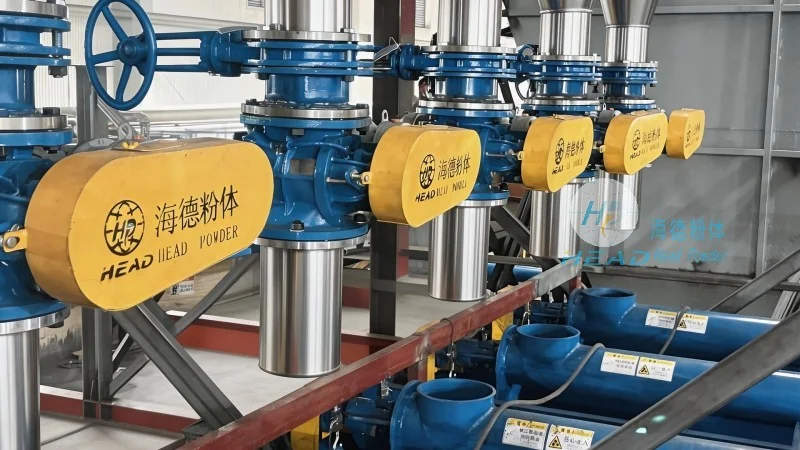
Application Examples of Fine Coal Powder Pneumatic Conveying
Fine coal powder pneumatic conveying is widely used in various industrial applications, including power plants, cement production, and chemical processing. In power plants, fine coal powder is conveyed from storage silos to boilers for combustion. The positive pressure system is often used in this application due to the need to maintain a high pressure to prevent dust explosion and ensure consistent fuel supply. In cement production, fine coal powder is used as a fuel source in kilns, and the negative pressure system is commonly used to transport the material from storage to the kiln, as the distance is often longer and the material is less sensitive to dust explosion. In chemical processing, fine coal powder may be used as a raw material or as a fuel, and the choice of conveying mode depends on the specific process requirements and material properties. For example, in a chemical plant that processes fine coal powder for use as a fuel, a negative pressure system may be used to transport the material from a storage area to a furnace, as the distance is relatively long and the material is less prone to dust explosion.
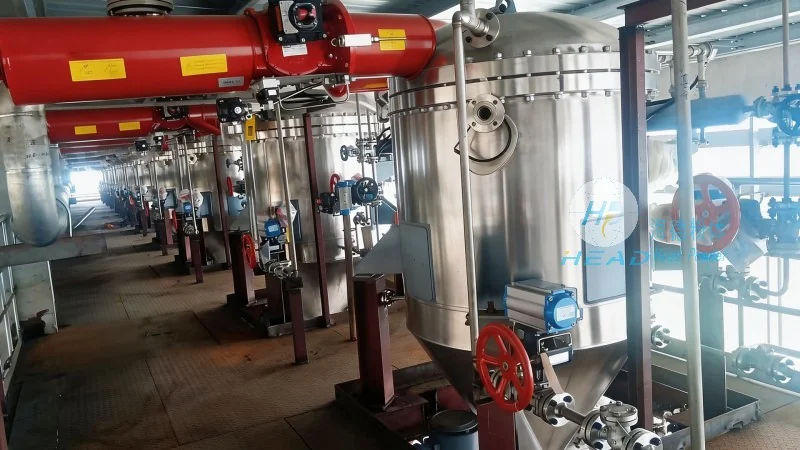
Conclusion and Company Introduction
Understanding the differences between positive and negative pressure pneumatic conveying modes is essential for selecting the most efficient and safe method for transporting fine coal powder. The choice of mode depends on various factors, including the distance of the conveying line, the material properties, the dust explosion risk, and the available space and infrastructure. Positive pressure systems offer better control and lower risk of blockages but require higher energy consumption and more space for equipment. Negative pressure systems are more energy-efficient for long distances but may be more susceptible to blockages and require more frequent maintenance. By carefully evaluating these factors, industrial facilities can choose the most suitable pneumatic conveying system to ensure efficient and safe transportation of fine coal powder.
Shandong HeadPowder Engineering Co., Ltd., a leading provider of pneumatic conveying solutions, specializes in designing and manufacturing customized systems for fine coal powder transportation. With years of experience in the industry, the company has developed advanced technologies and equipment to meet the diverse needs of its clients. The company's team of experts provides comprehensive services, including system design, installation, and maintenance, to ensure optimal performance and reliability of the conveying systems. HeadPowder's commitment to quality and customer satisfaction has made it a trusted partner for many industrial facilities worldwide. The company's headquarters is located in Shandong, China, and it serves clients in various industries, including power, cement, and chemicals.




