Pneumatic conveying technology has become an essential method for transporting polyethylene powder in various industrial applications. The choice between positive pressure and negative pressure systems significantly impacts operational efficiency, cost-effectiveness, and material handling safety. This article provides a detailed analysis of these two primary modes, exploring their mechanisms, advantages, and practical applications, with a focus on how they can be optimized for polyethylene powder transport.
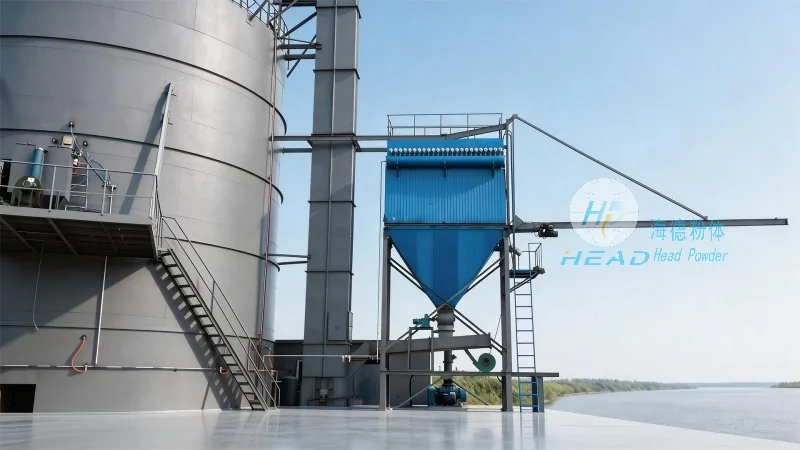
Understanding Pneumatic Conveying Systems for Polyethylene Powder
Pneumatic conveying involves transporting bulk materials like polyethylene powder through a pipeline using air or gas as the conveying medium. The two main categories are positive pressure and negative pressure systems, each with distinct operational principles and suitability for different industrial scenarios. For polyethylene powder, which is often used in plastic manufacturing, pharmaceuticals, and chemical processing, selecting the right system is critical to ensure consistent quality and minimal material degradation.
Positive Pressure Pneumatic Conveying Systems
Positive pressure systems operate by generating air pressure within the conveying line, typically using a blower or fan to force air and material through the pipeline. In this mode, the entire system, including the material source and discharge point, is under positive pressure. This approach is particularly effective for long-distance or high-volume transport of polyethylene powder, as it maintains a consistent flow and reduces the risk of material degradation from exposure to ambient air.
Key advantages of positive pressure systems include high conveying capacity, ability to handle abrasive or sensitive materials without damage, and reduced risk of dust contamination. The system can also be designed to operate in a closed loop, minimizing environmental impact and ensuring compliance with industrial safety standards. For polyethylene powder, which may be sensitive to moisture or oxidation, the sealed environment of a positive pressure system helps preserve material quality during transport.
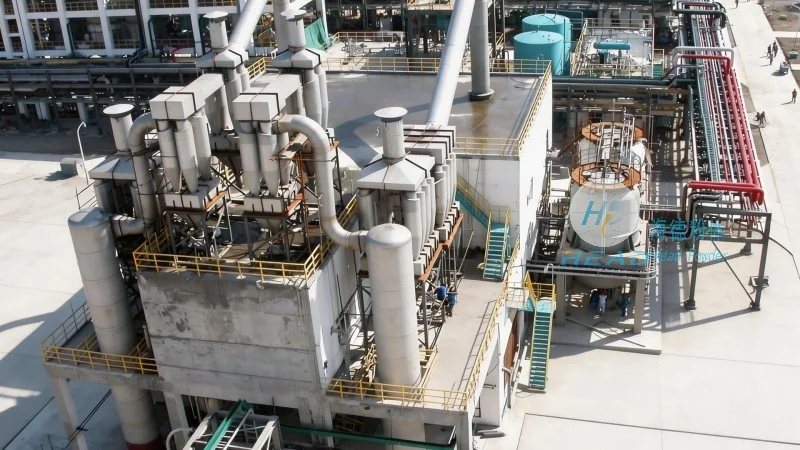
Negative Pressure Pneumatic Conveying Systems
Negative pressure systems, also known as vacuum systems, create a lower pressure inside the conveying line compared to the ambient environment. This pressure differential draws the polyethylene powder and air into the system from the material source, typically a hopper or silo. The material is then transported to the discharge point, where the pressure is restored to ambient levels.
Negative pressure systems are often preferred for shorter distances or when the material source is located at a higher elevation. They are also suitable for applications where dust control is a priority, as the system draws material into the pipeline rather than expelling it. However, negative pressure systems may have lower conveying capacities compared to positive pressure systems and can be more susceptible to clogging if the polyethylene powder is highly cohesive or contains moisture.
Comparison of Positive and Negative Pressure Systems for Polyethylene Powder
When selecting a pneumatic conveying system for polyethylene powder, it is essential to evaluate the specific requirements of the application. Positive pressure systems generally offer higher throughput and are better suited for long-distance transport, while negative pressure systems are more efficient for short distances and require less infrastructure for material handling.
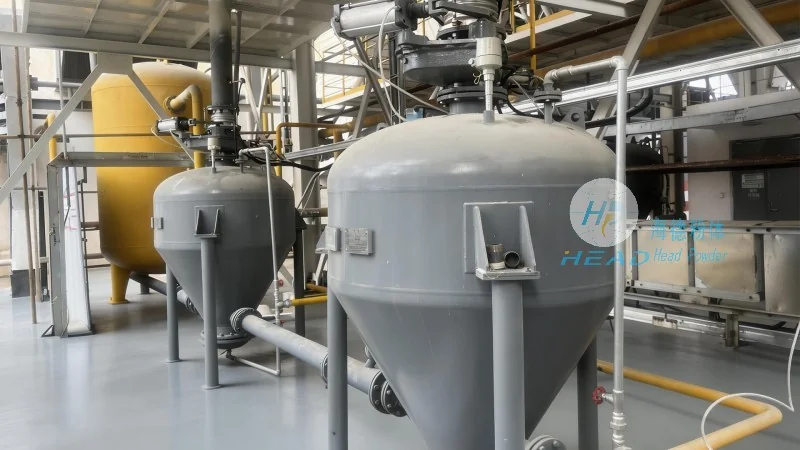
From a cost perspective, positive pressure systems may have higher initial investment due to the need for robust blower systems and pressure-resistant pipelines. However, their higher efficiency and lower maintenance costs over time can offset the initial expense. Negative pressure systems, on the other hand, have lower upfront costs but may incur higher operational costs due to the energy required to maintain the vacuum and potential for increased wear on components.
Material characteristics also play a significant role in system selection. Polyethylene powder, being a fine, dry powder, may perform well in both systems, but positive pressure systems are often preferred for their ability to handle abrasive particles and maintain material integrity. Negative pressure systems may be more suitable for applications where the powder is less abrasive and where dust containment is a primary concern.
HeadPowder Engineering: Expertise in Polyethylene Powder Conveying Solutions
Shandong HeadPowder Engineering Co., Ltd., a leading provider of pneumatic conveying solutions, specializes in designing and implementing systems tailored to the unique needs of polyethylene powder applications. With years of experience in the industry, HeadPowder Engineering understands the critical factors that influence the performance of positive and negative pressure systems, including material flow properties, pipeline design, and operational efficiency.
The company’s team of engineers and technicians work closely with clients to assess their specific requirements, such as production volume, material characteristics, and distance of transport. By leveraging advanced technology and industry best practices, HeadPowder Engineering develops customized solutions that optimize the choice between positive and negative pressure systems, ensuring the most efficient and cost-effective transport of polyethylene powder.
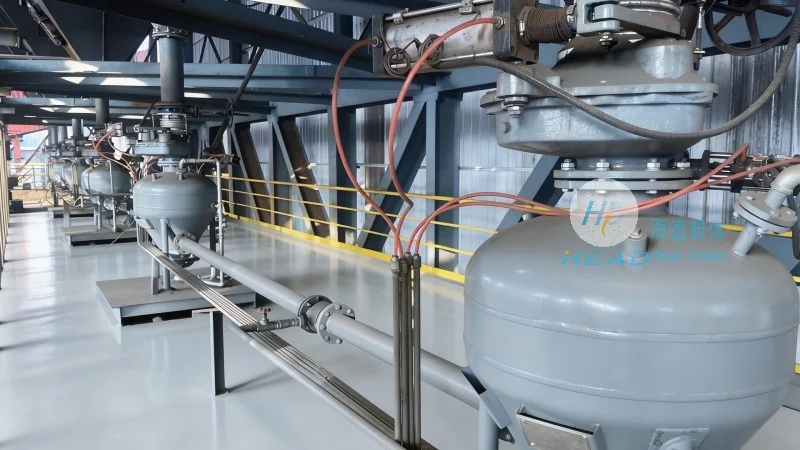
HeadPowder Engineering’s commitment to quality and innovation is reflected in its state-of-the-art facilities and rigorous testing protocols. The company adheres to international standards for material handling and safety, providing clients with reliable and durable systems that meet their operational and regulatory requirements. Whether a client requires a positive pressure system for high-volume transport or a negative pressure system for short-distance handling, HeadPowder Engineering offers comprehensive support from design and installation to maintenance and troubleshooting.
Conclusion: Choosing the Right Pneumatic Conveying Mode for Polyethylene Powder
The selection of a positive or negative pressure pneumatic conveying system for polyethylene powder depends on a combination of operational factors, material characteristics, and cost considerations. Positive pressure systems excel in high-capacity, long-distance transport with minimal material degradation, while negative pressure systems are more suitable for shorter distances and applications requiring strict dust control. By understanding the unique properties of polyethylene powder and the operational requirements of the application, industrial facilities can make an informed decision that maximizes efficiency and productivity.
With the expertise and experience of companies like Shandong HeadPowder Engineering Co., Ltd., industrial operators can access tailored solutions that optimize the use of pneumatic conveying technology. By carefully evaluating the advantages and limitations of each system, and leveraging the support of experienced providers, businesses can enhance their material handling processes, reduce operational costs, and ensure the consistent quality of polyethylene powder throughout the supply chain.




