Industrial salt, a critical raw material in various industrial processes, requires efficient and reliable transportation methods to ensure smooth production operations. Pneumatic conveying technology has emerged as a preferred solution for handling bulk materials like industrial salt, offering advantages such as reduced dust, improved safety, and enhanced process control. This article provides a detailed analysis of industrial salt pneumatic conveying, focusing on the comparison between positive and negative pressure modes, and highlights the expertise of Shandong HeadPowder Engineering Co., Ltd. in implementing these technologies.
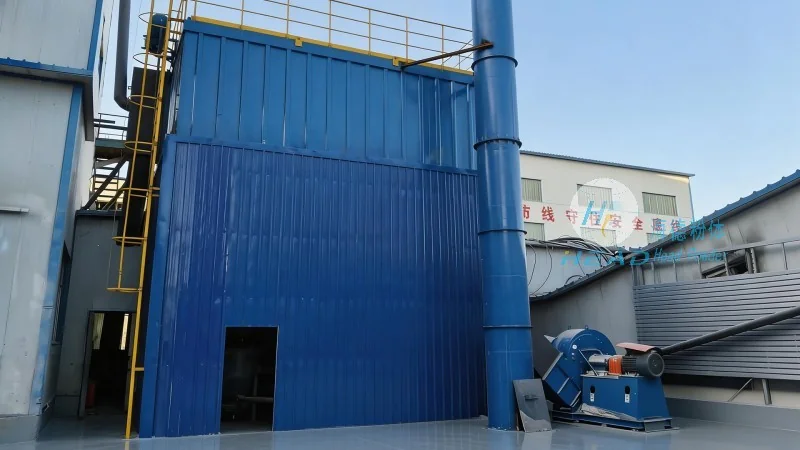
Understanding Pneumatic Conveying Systems for Industrial Salt
Pneumatic conveying systems utilize air or gas to transport bulk materials through a pipeline network. For industrial salt applications, these systems are designed to handle the specific characteristics of the material, including its density, flowability, and potential for dust generation. The choice of conveying mode—positive or negative pressure—significantly impacts system performance, energy consumption, and operational costs. A thorough understanding of these modes is essential for selecting the most suitable solution for industrial salt handling.
Positive Pressure Pneumatic Conveying Mode
Positive pressure systems operate by blowing air or gas into the conveying line, creating a pressure higher than the ambient air pressure. This mode is particularly effective for transporting industrial salt over short to medium distances, with relatively low material flow rates. The primary advantage of positive pressure is its ability to handle abrasive or corrosive materials without excessive wear on the system components. Additionally, positive pressure systems are generally simpler in design and easier to maintain, making them a cost-effective option for many industrial salt applications.
However, positive pressure systems have limitations, especially when dealing with long-distance or high-volume industrial salt transport. The higher air pressure required can lead to increased energy consumption and higher operational costs. Moreover, the system may generate more noise and require additional filtration to manage dust emissions. These factors must be carefully considered when evaluating positive pressure as a solution for industrial salt pneumatic conveying.
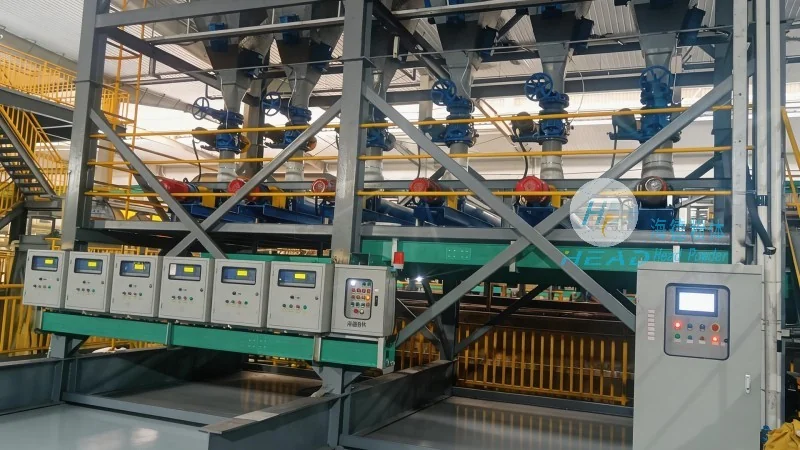
Negative Pressure Pneumatic Conveying Mode
Negative pressure systems, also known as vacuum or suction systems, operate by creating a vacuum in the conveying line, drawing material into the system. This mode is ideal for applications requiring long-distance transport or high material throughput, as it can handle larger volumes with lower air velocities. The key benefit of negative pressure is its lower energy consumption compared to positive pressure systems, as it relies on the natural suction of the vacuum to move material. This makes it more energy-efficient for large-scale industrial salt operations.
Despite its energy efficiency, negative pressure systems have their own set of challenges. The vacuum created can lead to higher maintenance requirements, as the system components are more susceptible to wear from abrasive industrial salt particles. Additionally, the system may require more robust filtration to prevent dust from entering the vacuum pump and causing damage. The design of negative pressure systems also demands careful consideration of the pipeline layout to ensure efficient material transport and minimize pressure losses.
Key Considerations for Selecting the Right Mode
The selection between positive and negative pressure pneumatic conveying modes for industrial salt depends on several factors, including the distance of transport, material flow rate, system complexity, and energy efficiency requirements. For short-distance, low-volume applications, positive pressure may be the preferred choice due to its simplicity and cost-effectiveness. Conversely, for long-distance or high-volume industrial salt transport, negative pressure systems offer better energy efficiency and higher material throughput capabilities.
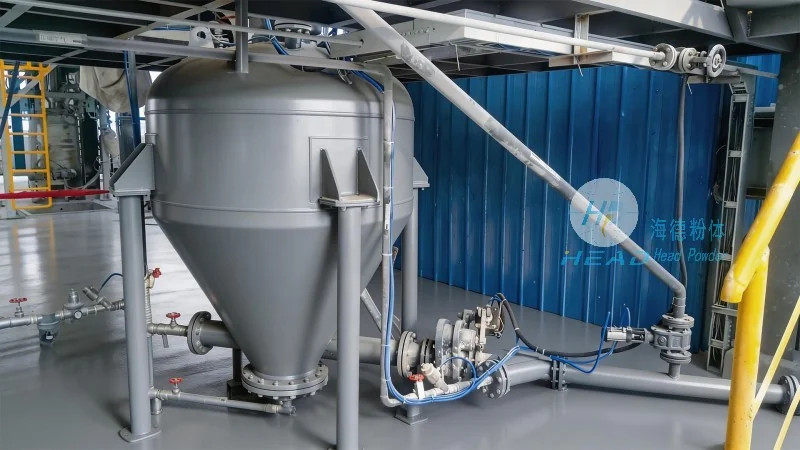
Another critical factor is the environmental impact and safety considerations. Positive pressure systems may generate more dust and noise, requiring additional environmental controls. Negative pressure systems, while more energy-efficient, may pose higher risks of dust inhalation if not properly sealed. The choice of mode should also align with the existing infrastructure and operational constraints of the industrial facility.
Expertise of Shandong HeadPowder Engineering Co., Ltd.
Shandong HeadPowder Engineering Co., Ltd., a leading provider of industrial powder handling solutions, specializes in designing and implementing pneumatic conveying systems tailored to the unique needs of industrial salt applications. With years of experience in the field, the company has developed a deep understanding of both positive and negative pressure modes, enabling them to offer customized solutions that optimize performance and efficiency.
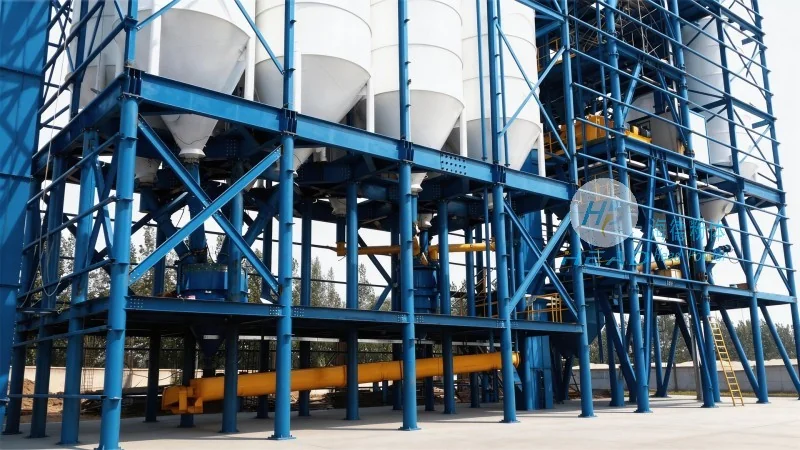
The company’s engineers work closely with clients to assess their specific requirements, including material characteristics, transport distances, and operational goals. By leveraging advanced design software and industry best practices, HeadPowder provides comprehensive system solutions that include not only the conveying equipment but also associated components such as air compressors, filters, and control systems. This holistic approach ensures that the final system meets all performance, safety, and regulatory standards.
HeadPowder’s commitment to quality and customer satisfaction is evident in their project execution and after-sales support. The company adheres to international standards and provides detailed documentation and training to ensure that clients can operate and maintain their pneumatic conveying systems effectively. With a strong presence in China, particularly in Shandong, HeadPowder serves a wide range of industrial sectors, including chemical, food, and pharmaceutical industries, where industrial salt is a key component.
Conclusion
Pneumatic conveying technology plays a vital role in the efficient handling of industrial salt, with positive and negative pressure modes offering distinct advantages and challenges. The choice between these modes depends on the specific operational requirements of the industrial facility. By understanding the characteristics of each system and leveraging the expertise of companies like Shandong HeadPowder Engineering Co., Ltd., industries can select the most suitable pneumatic conveying solution to enhance productivity, reduce costs, and ensure safe and reliable material transport.




