When it comes to the efficient and reliable transportation of lime powder, pneumatic conveying systems have emerged as a critical solution in various industrial applications. The technology offers a range of benefits, including reduced material handling costs, enhanced safety, and improved process control. This article delves into the nuances of negative pressure and positive pressure pneumatic conveying systems, exploring their technical aspects, operational principles, and practical applications in the context of lime powder handling.
Negative Pressure Pneumatic Conveying: Technical Overview
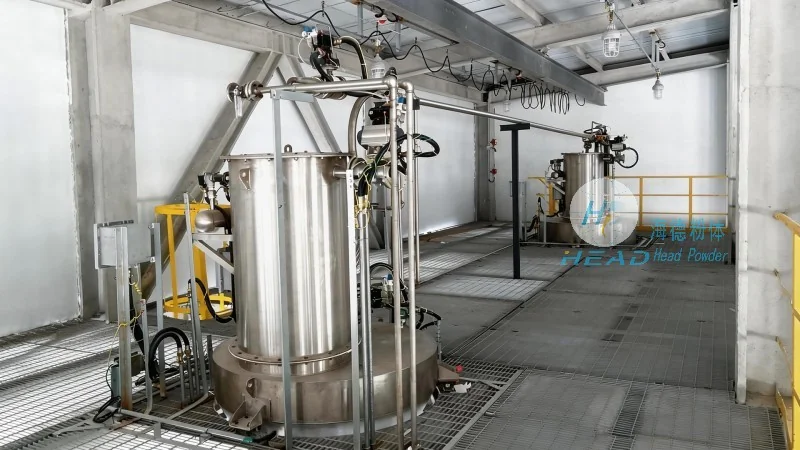
Negative pressure, or suction, pneumatic conveying systems operate by creating a low-pressure environment at the material pickup point. This is typically achieved using a vacuum pump or a fan that draws air and material from the source, such as a storage silo or a hopper. The primary advantage of negative pressure systems is their ability to convey materials over relatively short distances, often up to several hundred meters, while maintaining a low air velocity. This makes them suitable for applications where the material is to be transferred from a central storage location to a processing unit or a packaging area. The system works by creating a pressure differential between the material source and the destination, ensuring that the material is drawn into the conveying line without the need for external pressure.
In the context of lime powder, negative pressure systems are particularly effective for handling fine powders that are prone to dusting and caking. The low air velocity helps minimize particle degradation and ensures that the material remains in a dry, free-flowing state throughout the conveying process. The system also allows for the integration of dust collection and filtration components, which are essential for maintaining air quality and complying with environmental regulations. For instance, in a cement or chemical plant, a negative pressure system can be used to transfer lime powder from a silo to a mixer or a reactor, ensuring that the material is delivered in a controlled manner without causing excessive dust emissions.
Positive Pressure Pneumatic Conveying: Technical Overview
Conversely, positive pressure systems generate high-pressure air that forces material through the conveying line. This approach is ideal for longer conveying distances, often exceeding several hundred meters, and for applications where the material needs to be delivered under pressure to a specific destination. The system operates by compressing air and introducing it into the material source, where the air and material are mixed and then propelled through the pipeline. Positive pressure systems are particularly suitable for handling abrasive or corrosive materials, as the high air velocity and pressure help prevent material buildup and ensure consistent flow.
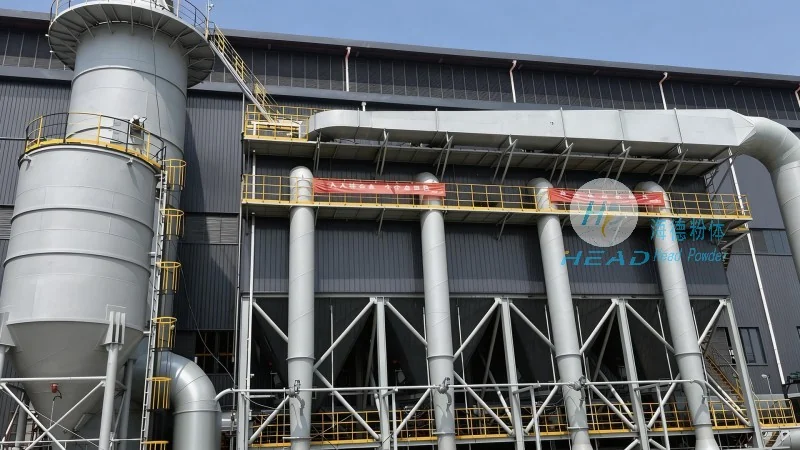
For lime powder applications, positive pressure systems offer several advantages. They can handle larger particle sizes and higher material loads compared to negative pressure systems, making them suitable for bulk material transfer from a storage facility to a processing plant. The high pressure also helps maintain the material's integrity, preventing agglomeration and ensuring that the powder remains free-flowing. Additionally, positive pressure systems are less susceptible to clogging, as the high air velocity keeps the material in suspension and prevents it from settling in the pipeline. This makes them a preferred choice for industrial-scale lime powder handling, where reliability and efficiency are paramount.
Comparative Analysis: Negative vs. Positive Pressure Systems
When selecting between negative and positive pressure pneumatic conveying systems for lime powder applications, several factors must be considered. The choice depends on the distance between the source and destination, the material characteristics (such as particle size, moisture content, and flowability), and the overall system requirements. Negative pressure systems are generally more cost-effective for short-distance transfers and are better suited for handling fine, dusty powders. They also require less maintenance due to lower air velocities and reduced wear on components. However, they have limitations in terms of conveying distance and material load capacity.
Positive pressure systems, on the other hand, are more suitable for long-distance transfers and handling larger quantities of material. They offer greater flexibility in terms of system layout and can accommodate more complex piping configurations. However, they require higher energy input due to the need for high-pressure air, and they may be more prone to wear and tear on components due to the higher air velocity and pressure. The choice between the two systems should be based on a thorough analysis of the specific application requirements, including cost, efficiency, and operational constraints.
Applications in Industrial Settings
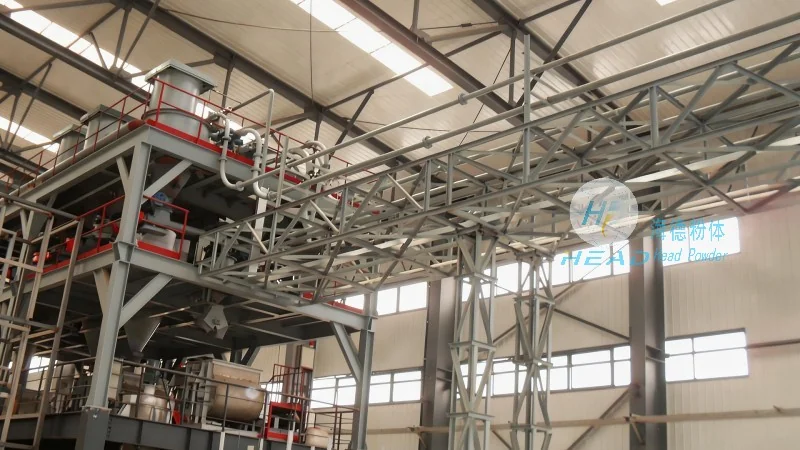
The application of pneumatic conveying systems for lime powder handling spans various industries, including cement manufacturing, chemical processing, and environmental remediation. In cement plants, lime powder is often used as a raw material or a flux in the production of clinker. Pneumatic conveying systems ensure that the lime powder is delivered to the kiln or mixer in a consistent and controlled manner, contributing to the overall efficiency of the production process. In chemical plants, lime powder is used in the production of calcium compounds, and the conveying system helps maintain the quality of the material by preventing contamination and degradation.
In environmental applications, such as flue gas desulfurization, lime powder is used to neutralize acidic gases. The pneumatic conveying system ensures that the lime powder is delivered to the scrubber in a precise manner, optimizing the efficiency of the desulfurization process. The reliability of the conveying system is crucial in these applications, as any disruption can lead to reduced performance and increased emissions.
Key Considerations for System Design and Implementation
Designing an effective pneumatic conveying system for lime powder requires careful consideration of several factors. The first step is to assess the material characteristics, including particle size distribution, moisture content, and flowability. This information is critical in determining the appropriate air velocity and pressure required for the system. The system design should also account for the conveying distance, as this will influence the choice between negative and positive pressure systems. Additionally, the system must be equipped with appropriate filtration and dust collection components to ensure compliance with environmental regulations and to maintain air quality.
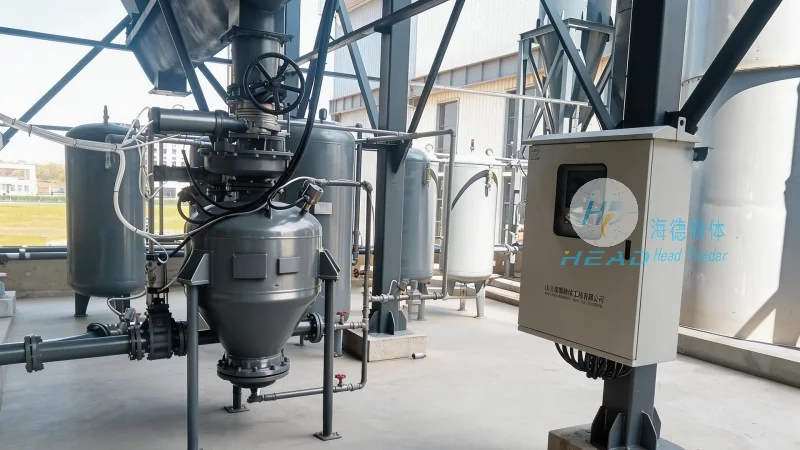
Component selection is another critical aspect of system design. The material of construction for the conveying line and components must be chosen based on the material's corrosive or abrasive properties. For lime powder, which can be mildly corrosive, materials such as stainless steel or coated steel are commonly used to prevent wear and corrosion. The vacuum pump or fan used in negative pressure systems must be selected based on the required airflow and pressure, while the compressor used in positive pressure systems must be capable of delivering the necessary pressure and volume.
Operational considerations also play a significant role in the success of the system. Regular maintenance is essential to ensure the system's reliability and efficiency. This includes checking for wear and tear on components, cleaning filters, and monitoring air pressure and flow rates. Proper training of operators is also important to ensure that the system is operated correctly and that any issues are addressed promptly. By following these guidelines, industrial facilities can ensure that their pneumatic conveying system for lime powder operates efficiently and reliably, contributing to the overall productivity and safety of the operation.
Conclusion
Pneumatic conveying systems, whether operating under negative or positive pressure, offer a highly effective solution for the transportation of lime powder in industrial applications. The choice between the two systems depends on the specific requirements of the application, including distance, material characteristics, and operational constraints. Negative pressure systems are suitable for short-distance transfers of fine powders, while positive pressure systems are ideal for longer distances and bulk material handling. By understanding the technical aspects and operational principles of these systems, industrial facilities can select the most appropriate solution to meet their material handling needs. The reliability and efficiency of pneumatic conveying systems not only improve the overall productivity of the operation but also contribute to better safety and environmental compliance.




