Organic fertilizer granule pneumatic conveying is a critical technology in the agricultural and fertilizer processing industries, enabling efficient and reliable transport of organic fertilizer materials. This article provides an overview of the technology and explains the fundamental principles of pneumatic conveying systems, highlighting the importance of such systems in modern fertilizer production and distribution.
Pneumatic Conveying Systems: Core Components and Functionality
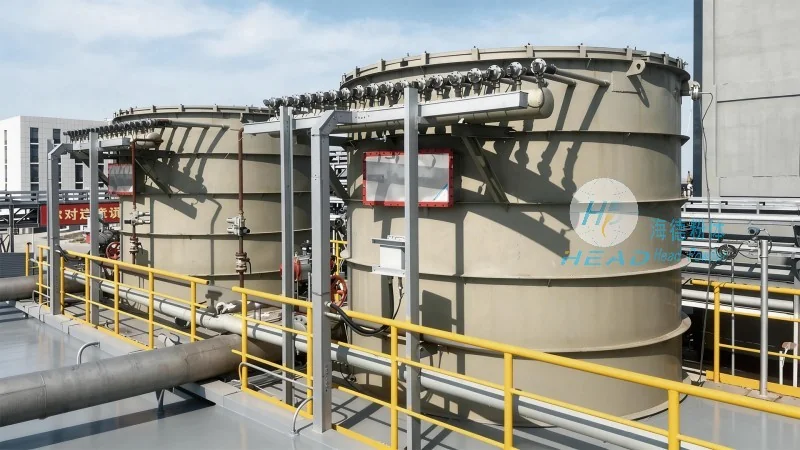
A pneumatic conveying system for organic fertilizer granules typically consists of several key components, including a hopper for material storage, a conveyor line (often a pipeline), a blower or compressor to generate the air flow, and a control system to regulate the operation. The process involves feeding the organic fertilizer granules into the hopper, where they are then drawn into the conveyor line by the moving air. The air flow carries the granules through the pipeline to the discharge point, such as a storage silo or processing unit. This method eliminates the need for mechanical components like belts or buckets, reducing maintenance and increasing operational efficiency.
Advantages of Pneumatic Conveying for Organic Fertilizer Granules
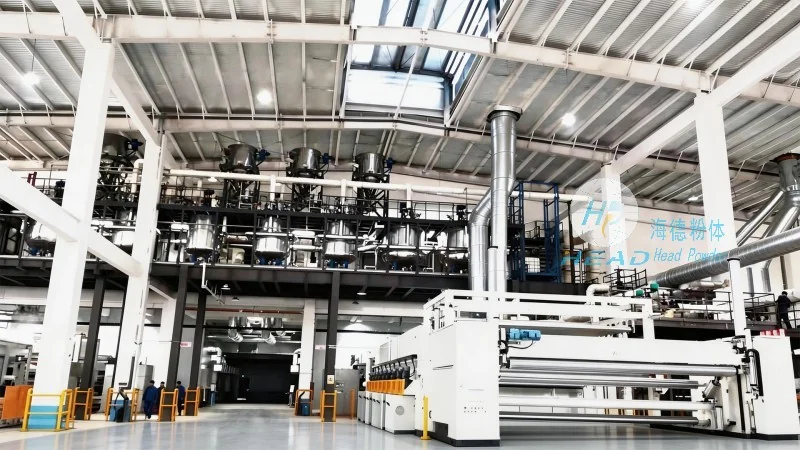
Implementing pneumatic conveying systems for organic fertilizer granules offers numerous advantages over traditional mechanical conveying methods. One of the primary benefits is the ability to handle a wide range of particle sizes and moisture contents without causing material degradation or blockages. The enclosed system also minimizes dust emissions, improving workplace safety and environmental compliance. Additionally, pneumatic conveying can be designed for both low and high pressure applications, allowing for flexible system configurations that suit different production scales and distances. The system's ability to operate continuously and with minimal downtime further enhances overall productivity in fertilizer processing facilities.
Application Examples in Fertilizer Production
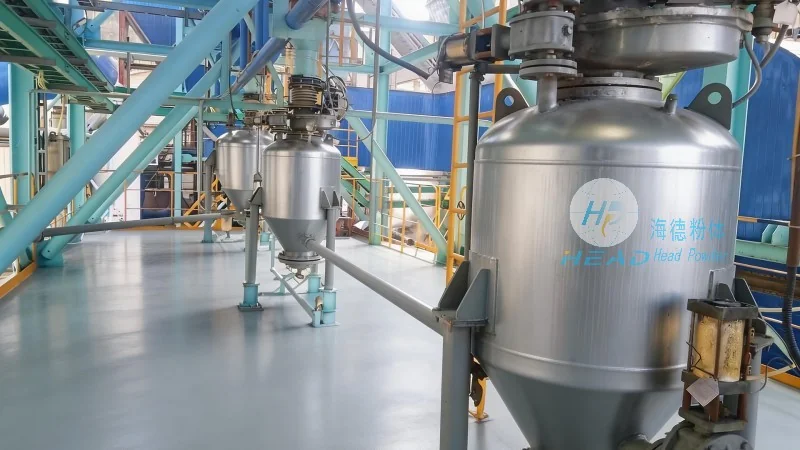
In fertilizer production facilities, pneumatic conveying systems are commonly used to transport organic fertilizer granules from raw material storage to mixing and granulation units, and then to packaging or storage areas. For instance, in a typical organic fertilizer production line, the granules may be conveyed from a storage silo to a mixer where they are combined with other nutrients. The pneumatic system ensures a consistent and controlled flow of material, which is crucial for maintaining product quality and uniformity. Similarly, during the packaging stage, the system can transport the finished granules to packaging machines, ensuring a smooth and efficient production flow.
System Design Considerations for Organic Fertilizer Granules
When designing a pneumatic conveying system for organic fertilizer granules, several factors must be considered to ensure optimal performance and longevity. Particle size and density are critical parameters, as they affect the air velocity required for effective transport. The system's pressure and flow rate must be carefully calculated to prevent material settling or blockages in the pipeline. Additionally, the material's moisture content and abrasiveness should be evaluated to select appropriate materials for the hopper, pipeline, and other components, such as stainless steel or special coatings to resist wear and corrosion. Proper system sizing and maintenance, including regular cleaning and inspection of the pipeline and blower, are essential to prevent system failures and ensure consistent operation.
Conclusion: The Role of Pneumatic Conveying in Modern Fertilizer Processing
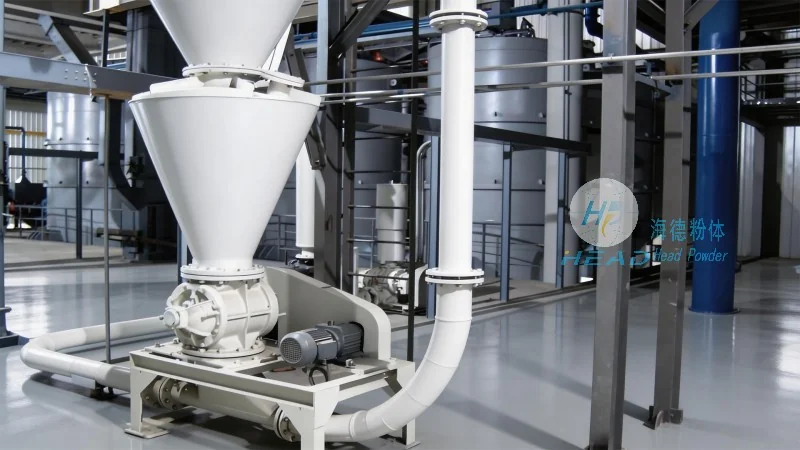
Organic fertilizer granule pneumatic conveying systems play a vital role in modern fertilizer processing, offering efficient, reliable, and safe methods for material transport. By understanding the principles and components of these systems, fertilizer manufacturers can optimize their production processes, improve product quality, and enhance operational efficiency. As the demand for organic fertilizers continues to grow, the adoption of advanced pneumatic conveying technologies will remain essential for meeting production and distribution needs. Companies like Shandong HeadPowder Engineering Co., Ltd. specialize in designing and manufacturing such systems, providing tailored solutions to meet the specific requirements of fertilizer production facilities.




