

Introduction to the Pneumatic Conveying of Nickel Sulfate Crystals and Explanation of the Working Pr
HeadPowder, a leading engineering firm based in Shandong, China, specializes in the design and implementation of advanced material handling solutions. This article provides an overview of the pneumatic conveying system used for transporting nickel sulfate crystals, along with a detailed explanation of its operational principles.
Understanding Pneumatic Conveying Systems
Pneumatic conveying is a method of transporting bulk materials through a pipeline using a gas stream, typically air. This technology is widely adopted in industries dealing with powders and granules due to its efficiency, flexibility, and ability to handle various material characteristics. For nickel sulfate crystals, which are often produced as a fine powder or crystalline form, pneumatic conveying offers a reliable means of moving the material from production to storage or processing units.
Key Components of a Pneumatic Conveying System
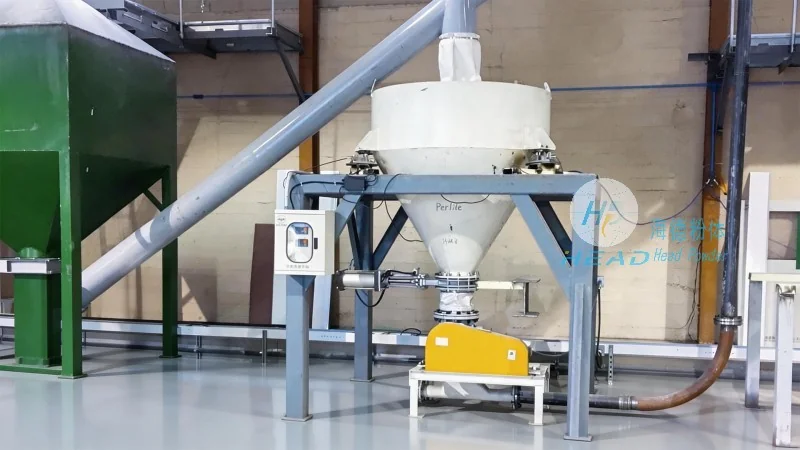
The pneumatic conveying system for nickel sulfate crystals consists of several critical components that work in tandem to ensure smooth material transport. These include the material feed hopper, which holds the nickel sulfate crystals and regulates the flow rate; the air compressor or blower, which generates the necessary air pressure to move the material; the conveying line, which is typically made of stainless steel or other corrosion-resistant materials to withstand the chemical properties of nickel sulfate; and the control system, which monitors and adjusts the air pressure and material flow to maintain optimal operation.
Working Principle of the Pneumatic Conveying Process
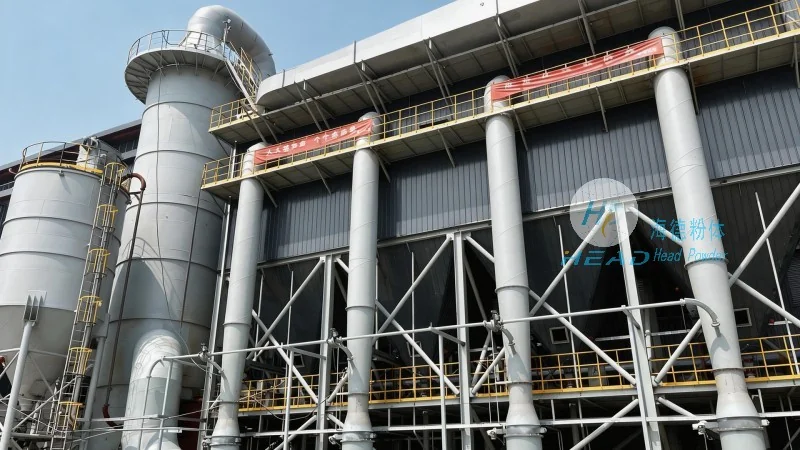
The operation of the pneumatic conveying system for nickel sulfate crystals begins with the material being fed into the hopper. From there, the material is drawn into the conveying line by the high-pressure air stream generated by the compressor. As the air flows through the line, it entrains the nickel sulfate crystals, creating a slurry-like mixture that travels through the pipeline. The velocity of the air is carefully controlled to ensure that the material particles are suspended and transported without causing excessive wear on the system components. At the destination point, such as a storage silo or processing equipment, the air is released, allowing the nickel sulfate crystals to settle and be collected.
Advantages of Pneumatic Conveying for Nickel Sulfate Crystals
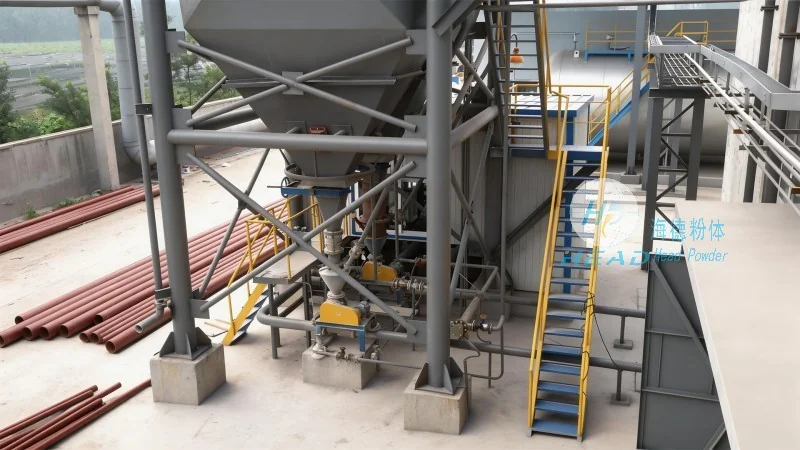
Implementing a pneumatic conveying system for nickel sulfate crystals offers several advantages over traditional methods like belt conveyors or bucket elevators. Firstly, it provides a dust-free and enclosed environment, which is crucial for handling materials that may be hazardous or cause environmental contamination. Secondly, the system is highly flexible, allowing for changes in material flow rates and destination points without major modifications. Thirdly, it reduces the risk of material degradation due to minimal contact with external elements and the absence of mechanical components that could cause abrasion. Additionally, the system is energy-efficient compared to other bulk material handling solutions, making it a cost-effective choice for industrial applications.
Application and Operational Considerations
In industrial settings, the pneumatic conveying system for nickel sulfate crystals is typically used to transport the material from the crystallization tank to the drying or packaging units. The system is designed to handle the specific properties of nickel sulfate, such as its particle size, moisture content, and chemical reactivity. Operational considerations include maintaining the correct air pressure and flow rate to prevent blockages or material degradation, regular maintenance of the system components to ensure longevity, and monitoring the system for any signs of wear or inefficiency. By adhering to these considerations, the system can operate efficiently and reliably, meeting the production demands of the facility.