Desulfurization and denitrification agents are critical components in industrial processes aimed at reducing sulfur dioxide (SO₂) and nitrogen oxides (NOₓ) emissions, which are major contributors to air pollution and environmental degradation. The efficient delivery of these agents to the point of application is essential for optimal performance and compliance with environmental regulations. Various methods are employed for transporting these chemical solutions, each with distinct advantages and disadvantages that influence their suitability for different industrial applications.
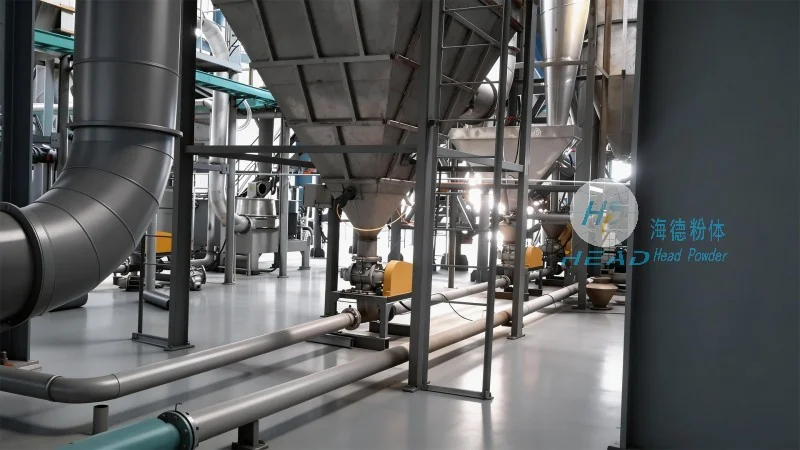
1. Pumping Systems: A Traditional and Reliable Approach
One of the most common methods for delivering desulfurization and denitrification agents is through pumping systems. These systems typically utilize centrifugal or positive displacement pumps to move the chemical solutions from storage tanks to the injection points in the industrial process. The primary advantage of pumping systems is their reliability and ability to handle a wide range of fluid viscosities and flow rates. They provide consistent pressure and flow, ensuring that the agents are delivered at the required concentration and rate. Additionally, pumping systems can be easily integrated with existing industrial infrastructure, making them a cost-effective solution for many facilities.
However, pumping systems also have several drawbacks. They require regular maintenance to prevent pump wear and ensure optimal performance. The presence of solids or debris in the solution can lead to pump clogging and damage, necessitating frequent cleaning and replacement of pump components. Moreover, pumping systems may not be suitable for long-distance or high-elevation applications due to the limitations in pressure and flow capacity. In such cases, additional booster pumps or higher-capacity systems may be required, increasing the overall cost and complexity of the delivery system.
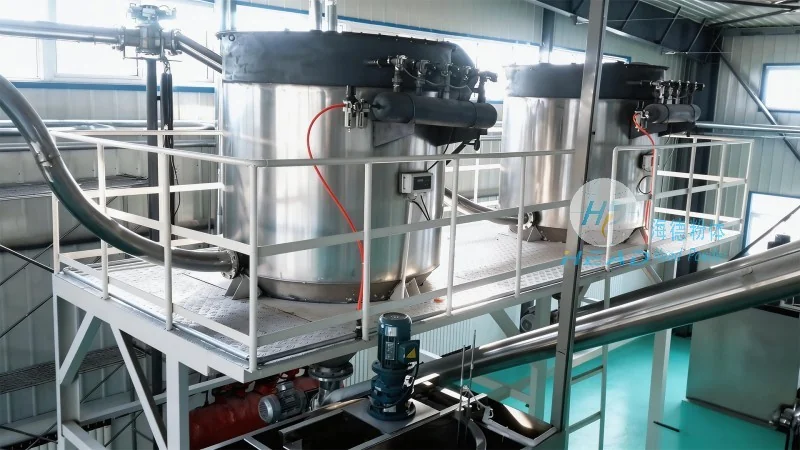
2. Pipeline Delivery: Efficient and Continuous Transport
Another widely used method is pipeline delivery, where the desulfurization and denitrification agents are transported through dedicated pipelines from storage to the point of use. This method offers high efficiency and continuous operation, as the agents can be delivered at a constant rate without interruption. The pipelines can be made of various materials, such as stainless steel, PVC, or rubber, depending on the chemical compatibility and pressure requirements. The primary advantage of pipeline delivery is its ability to maintain a consistent flow and pressure, reducing the risk of fluctuations that could affect the treatment process.
Despite its efficiency, pipeline delivery has its limitations. The installation and maintenance of pipelines can be costly, especially for long-distance or underground applications. Corrosion and material degradation over time may require periodic inspections and repairs, adding to the operational expenses. Additionally, pipeline systems are susceptible to leaks, which can lead to chemical spills and environmental hazards. Proper sealing and monitoring systems are essential to mitigate these risks, but they increase the overall complexity and cost of the delivery system.
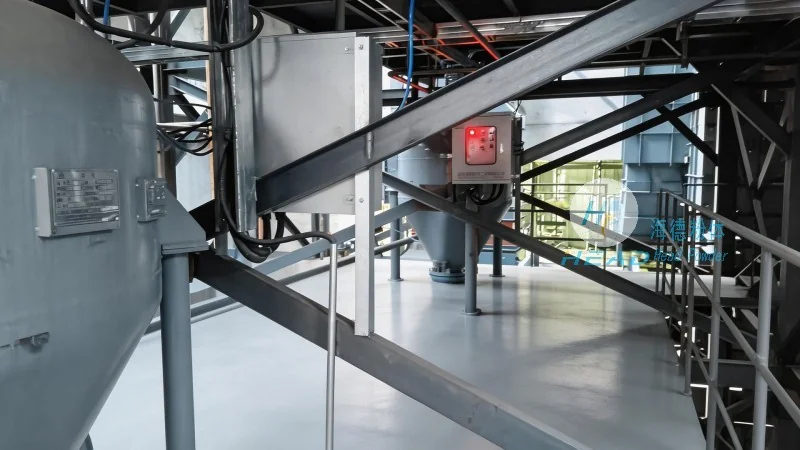
3. Air-Driven Pneumatic Conveying: A Non-Mechanical Alternative
Air-driven pneumatic conveying is a non-mechanical method that uses compressed air to transport desulfurization and denitrification agents in a dry or slurry form. This method is particularly useful for transporting powders or fine particles that are difficult to pump through traditional systems. The primary advantage of pneumatic conveying is its ability to handle abrasive or corrosive materials without the need for moving parts that could wear out or get clogged. It also allows for flexible routing of the delivery line, as the pipeline can be easily reconfigured without major modifications to the system.
However, pneumatic conveying has significant drawbacks. The energy consumption is relatively high compared to pumping systems, as compressed air is required to move the material. The system also requires a high degree of air pressure, which can lead to higher operational costs. Furthermore, the velocity of the material in the pipeline can cause erosion of the pipeline walls, reducing the lifespan of the system. The efficiency of pneumatic conveying is also affected by the particle size and moisture content of the material, as larger or wetter particles may not be transported effectively.
4. Comparison of Delivery Methods: Key Factors to Consider
When selecting a delivery method for desulfurization and denitrification agents, several factors must be considered to ensure optimal performance and cost-effectiveness. The choice of method depends on the specific application, the properties of the agent (such as viscosity, particle size, and corrosiveness), and the operational requirements of the facility. Pumping systems are generally preferred for high-volume, continuous applications due to their reliability and ease of integration. Pipeline delivery is suitable for applications requiring consistent flow and pressure, while pneumatic conveying is ideal for transporting powders or materials that are difficult to pump.
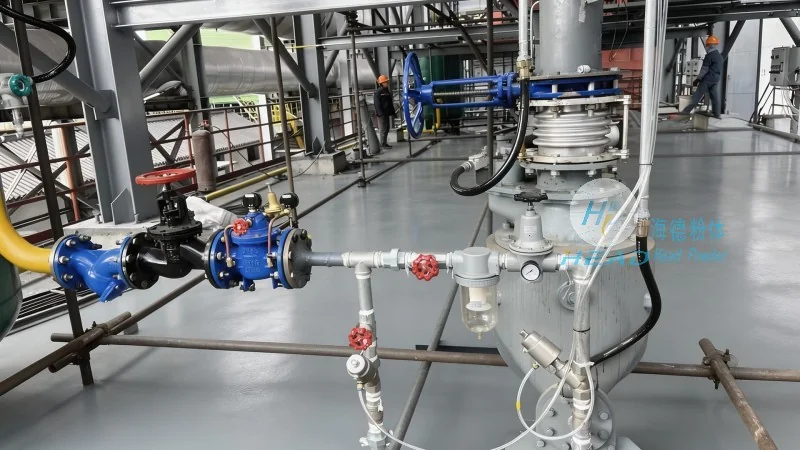
Cost is another critical factor. Pumping systems have lower initial costs but higher maintenance expenses, whereas pipeline systems have higher installation costs but lower operational costs. Pneumatic conveying systems have the highest initial and operational costs due to the energy requirements and material wear. The choice of delivery method should also consider the environmental impact, as some methods may pose higher risks of leaks or spills. Proper monitoring and safety measures are essential to mitigate these risks and ensure compliance with environmental regulations.
Conclusion: Choosing the Right Delivery Method for Your Needs
Efficient delivery of desulfurization and denitrification agents is crucial for effective air pollution control and environmental compliance. The selection of the appropriate delivery method depends on a careful evaluation of the application requirements, agent properties, and cost considerations. Pumping systems offer reliability and flexibility, pipeline delivery provides efficiency and consistency, and pneumatic conveying is suitable for non-liquid materials. By understanding the advantages and disadvantages of each method, industrial facilities can choose the most appropriate delivery system to ensure optimal performance and minimize operational costs.




