When it comes to the efficient handling and transportation of polyester fibers in industrial settings, selecting the right conveying method is crucial. The choice of conveying system directly impacts operational efficiency, material integrity, and overall production costs. This article provides a detailed comparison of common polyester fiber conveying methods, examining their advantages and disadvantages to help industrial operators make informed decisions.
Introduction to Polyester Fiber Conveying
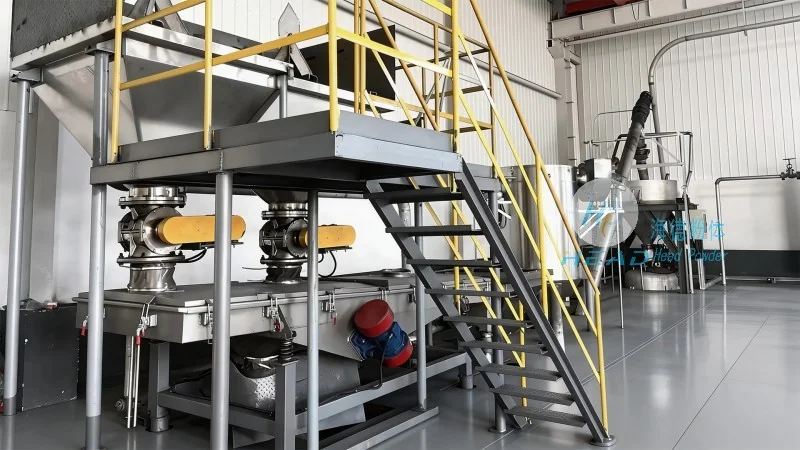
Polyester fibers are widely used in various industries, including textiles, automotive, and construction, due to their durability, strength, and resistance to chemicals and moisture. Conveying these fibers requires specialized equipment designed to handle their lightweight, flexible nature while preventing damage or contamination. The primary goal of any conveying system is to move fibers from one point to another with minimal loss, breakage, or degradation. Understanding the different conveying methods available is essential for optimizing production lines and ensuring consistent quality in the final products.
Common Polyester Fiber Conveying Methods
Several methods are commonly employed for polyester fiber transportation, each with its own set of advantages and limitations. The selection of a method depends on factors such as fiber type, production volume, environmental conditions, and budget constraints. Below is a detailed analysis of the most prevalent polyester fiber conveying techniques.
1. Belt Conveyors
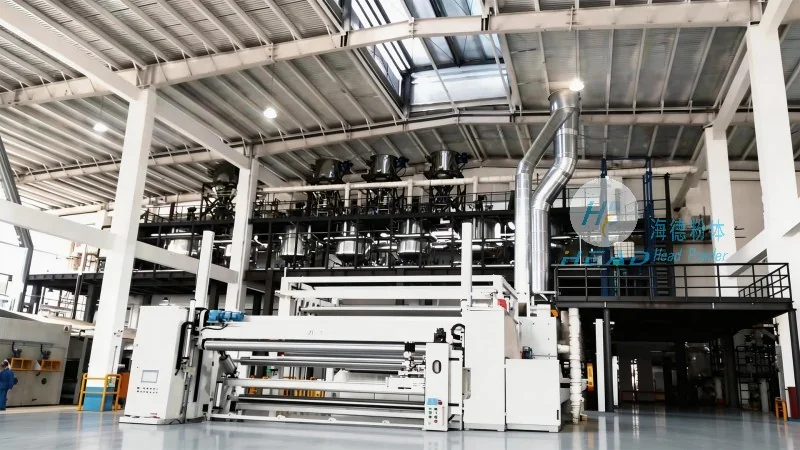
Belt conveyors are one of the most widely used systems for transporting polyester fibers. These systems consist of a continuous belt that moves over rollers or a flat surface, carrying the fibers along the desired path. The primary advantage of belt conveyors is their ability to handle large volumes of material with minimal maintenance. They are particularly effective for horizontal or slightly inclined transport, making them suitable for long-distance or continuous operation. Belt conveyors also offer good control over the speed and direction of fiber movement, which is critical for maintaining fiber alignment and preventing tangling. However, they may not be ideal for vertical or steep incline applications, as the belt can experience excessive wear or require additional tensioning mechanisms. Additionally, belt conveyors can be susceptible to fiber buildup or contamination if not properly maintained, which may affect the quality of the final product.
2. Screw Conveyors
Screw conveyors, also known as auger conveyors, use a rotating screw to move polyester fibers through a tube or trough. This method is particularly effective for vertical or inclined transport, as the screw can lift fibers from lower to higher levels with minimal energy consumption. Screw conveyors are compact and can be installed in tight spaces, making them suitable for confined production areas. They also provide excellent control over the flow rate, allowing operators to adjust the speed of fiber movement as needed. The main disadvantage of screw conveyors is their limited capacity for large volumes, as the screw may become overloaded or cause excessive friction, leading to fiber breakage. Additionally, screw conveyors may not be suitable for very fine or delicate fibers, as the screw can cause abrasion or damage. Regular maintenance is also required to prevent wear on the screw and trough, which can affect the system's longevity.
3. Pneumatic Conveying Systems
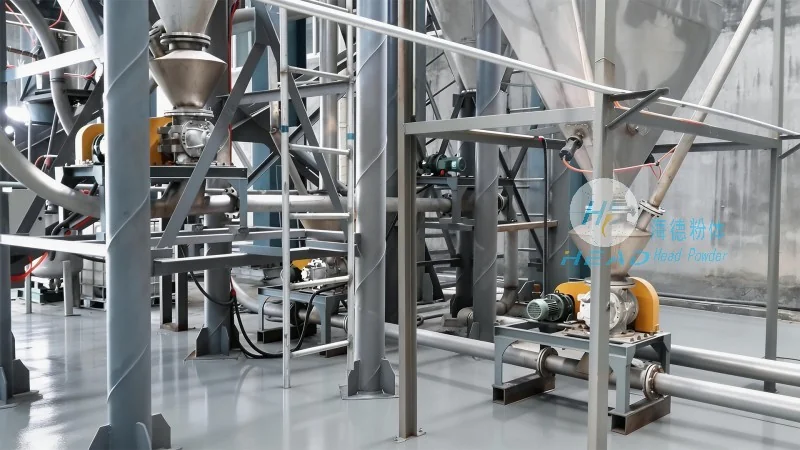
Pneumatic conveying systems use air or other gases to transport polyester fibers through a network of pipes or ducts. This method is highly effective for moving fibers over long distances or in complex layouts, as it can navigate through multiple turns and obstacles without the need for additional machinery. Pneumatic systems are also relatively quiet and can handle a wide range of fiber sizes and types. The primary advantage of this method is its ability to transport fibers in a closed system, which helps prevent contamination from dust or other particles. However, pneumatic conveying can be energy-intensive, as it requires significant air pressure to move the fibers. The system may also be susceptible to clogging if the fibers are too fine or if the air flow is insufficient. Additionally, the cost of maintaining the air filtration and compression equipment can be high, making it less economical for small-scale operations.
4. Air-Lift Conveyors
Air-lift conveyors, also known as pneumatic lift systems, use a combination of air pressure and vacuum to lift polyester fibers vertically. These systems are particularly useful for moving fibers from lower to higher levels in a production line, as they can handle large volumes with minimal mechanical parts. The main advantage of air-lift conveyors is their simplicity and low maintenance requirements, as they rely on air flow rather than moving parts to transport the material. They are also relatively quiet and can be installed in tight spaces. However, air-lift conveyors have limitations in terms of the maximum height they can lift fibers, as the air pressure required increases with height. Additionally, they may not be suitable for very fine or lightweight fibers, as the air flow may not provide enough lift force. The system also requires regular cleaning to prevent fiber buildup in the air lines, which can affect performance.
5. Bucket Elevators
Bucket elevators use a series of buckets attached to a chain or belt to transport polyester fibers vertically. This method is highly effective for vertical transport, as it can lift fibers to significant heights with high efficiency. Bucket elevators are capable of handling large volumes of material and are suitable for continuous operation. The primary advantage of this system is its ability to transport fibers in a closed container, which helps prevent contamination and loss. However, bucket elevators require more maintenance than other systems, as the buckets and chain can wear out over time. They are also relatively expensive to install and may not be suitable for very fine or delicate fibers, as the buckets can cause abrasion or damage. Additionally, the system may not be ideal for horizontal or inclined transport, as it is primarily designed for vertical movement.
Choosing the Right Conveying Method for Polyester Fibers
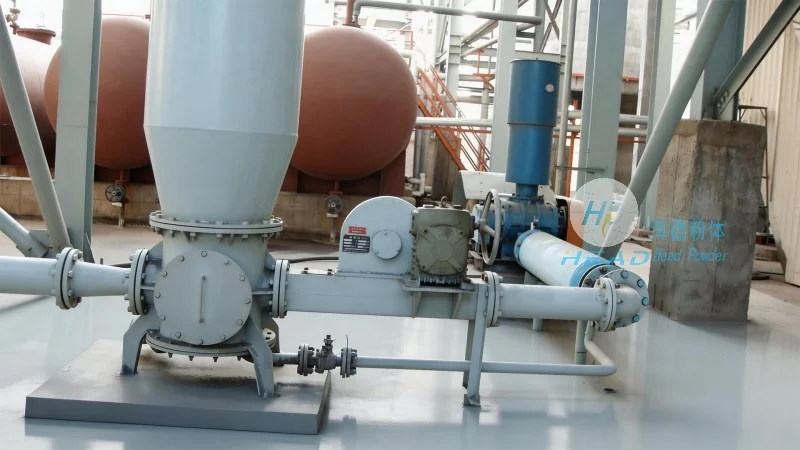
When selecting a polyester fiber conveying method, industrial operators must consider several factors to ensure optimal performance and cost-effectiveness. The first consideration is the type and characteristics of the fibers being transported. For example, fine or delicate fibers may require a system with minimal friction or impact, such as a belt conveyor or pneumatic system. Larger or bulkier fibers may be better suited for screw or bucket elevators. The second factor is the production volume and speed requirements. High-volume operations may benefit from belt or screw conveyors, while low-volume or intermittent operations may use pneumatic or air-lift systems. The third factor is the layout of the production facility, including the available space and the need for vertical or horizontal transport. The fourth factor is the budget and maintenance costs, as different systems have varying upfront and operational expenses. By carefully evaluating these factors, operators can choose the most suitable conveying method for their specific needs, ensuring efficient fiber transportation and consistent product quality.
Conclusion
Selecting the appropriate polyester fiber conveying method is a critical decision for industrial manufacturers. Each method has its own set of advantages and disadvantages, and the best choice depends on the specific requirements of the production line. Belt conveyors offer high volume and ease of use, while screw conveyors excel in vertical transport. Pneumatic systems provide flexibility and closed transport, and air-lift and bucket elevators are effective for lifting fibers vertically. By understanding the characteristics of each system and considering factors such as fiber type, volume, and facility layout, operators can optimize their conveying processes and improve overall production efficiency. As a leading provider of engineering solutions, Shandong HeadPowder Engineering Co., Ltd. specializes in designing and manufacturing customized conveying systems tailored to the unique needs of polyester fiber applications. With decades of experience in the industry, HeadPowder offers expert guidance and high-quality equipment to help manufacturers achieve efficient and reliable fiber transportation. Based in Shandong, China, HeadPowder serves clients worldwide, providing comprehensive solutions that enhance productivity and ensure the integrity of polyester fibers throughout the production process.




