Perlite, a lightweight, expanded volcanic rock, is widely used in construction, horticulture, and industrial applications. The efficient and reliable transportation of perlite is crucial for optimizing production processes and ensuring product quality. This article provides a detailed comparison of common perlite conveying methods, highlighting their advantages and disadvantages, with a focus on practical applications and operational considerations.
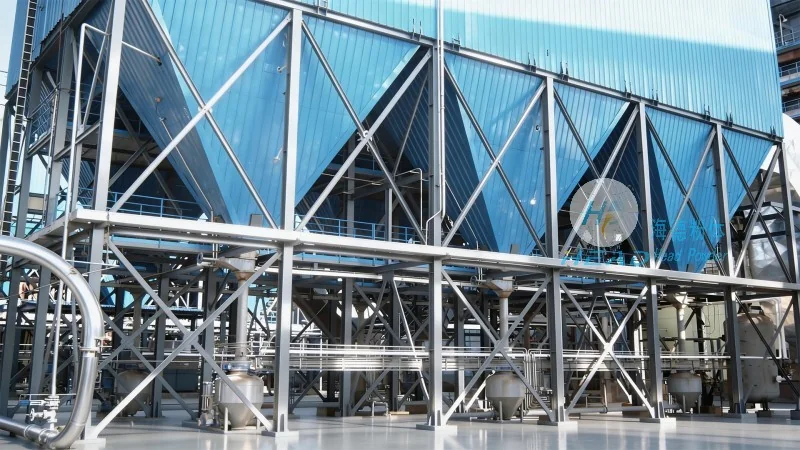
Shandong HeadPowder Engineering Co., Ltd., a leading manufacturer based in Shandong, China, specializes in providing advanced material handling solutions tailored to the unique needs of perlite processing. With years of industry experience, HeadPowder offers comprehensive expertise in designing and implementing effective conveying systems for perlite and other similar materials.
Overview of Common Perlite Conveying Methods
Perlite conveying methods can be broadly categorized into two main types: pneumatic (air-driven) systems and mechanical systems. Each approach has distinct characteristics that make it suitable for different operational scenarios, from small-scale horticultural applications to large-scale industrial production.
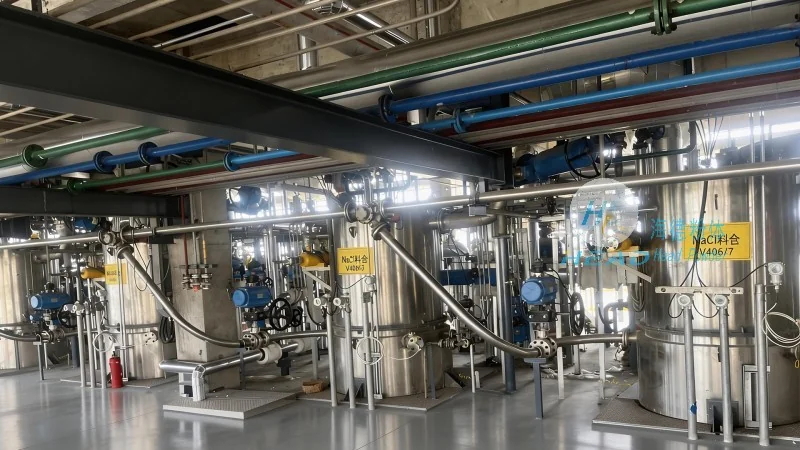
Pneumatic Conveying Systems: Advantages and Challenges
Pneumatic conveying, also known as air conveying, uses compressed air to transport perlite particles through a pipeline. This method is particularly effective for handling fine or dusty materials, as it minimizes product degradation and contamination. One of the primary advantages of pneumatic systems is their ability to transport materials over long distances without the need for multiple transfer points. Additionally, these systems can be designed to operate in a closed loop, reducing dust emissions and improving workplace safety.
However, pneumatic conveying also presents several challenges. The most significant drawback is the high energy consumption associated with maintaining compressed air pressure. This can lead to increased operational costs, especially for large-scale operations. Furthermore, the system's performance is highly dependent on the particle size and density of the perlite, as larger or heavier particles may require higher air velocities to ensure proper flow. Maintenance of the air filtration and compression equipment is also more complex compared to mechanical systems, adding to the overall operational burden.
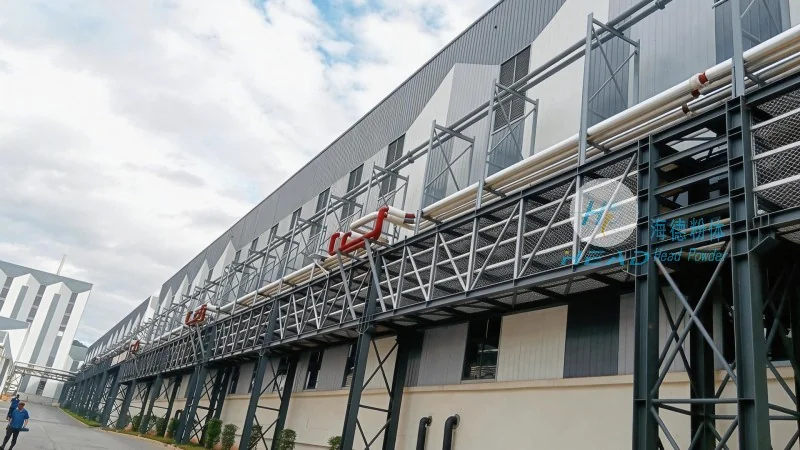
Mechanical Conveying Systems: Traditional Solutions and Modern Enhancements
Mechanical conveying systems rely on physical components such as belts, screws, or buckets to move perlite. These methods are generally more cost-effective and energy-efficient than pneumatic systems, making them a popular choice for many applications. For instance, belt conveyors are widely used in bulk material handling due to their simplicity and ability to transport large quantities of perlite over horizontal or slight incline distances.
Screw conveyors, another common mechanical option, are particularly effective for vertical or inclined transport. They are often used in processing plants where space is limited and the need to elevate materials is necessary. The primary advantage of mechanical systems is their lower energy consumption and reduced maintenance requirements compared to pneumatic alternatives. However, they are more susceptible to product degradation, especially for fine perlite particles, as the mechanical components can cause abrasion and attrition.
Comparative Analysis: Selecting the Right Conveying Method
When choosing a perlite conveying method, several factors must be considered, including the material's properties, operational scale, and budget constraints. For small-scale or horticultural applications where product purity is paramount, pneumatic systems may be preferred despite their higher costs. In contrast, large-scale industrial operations often opt for mechanical systems due to their lower operational expenses and simpler maintenance.
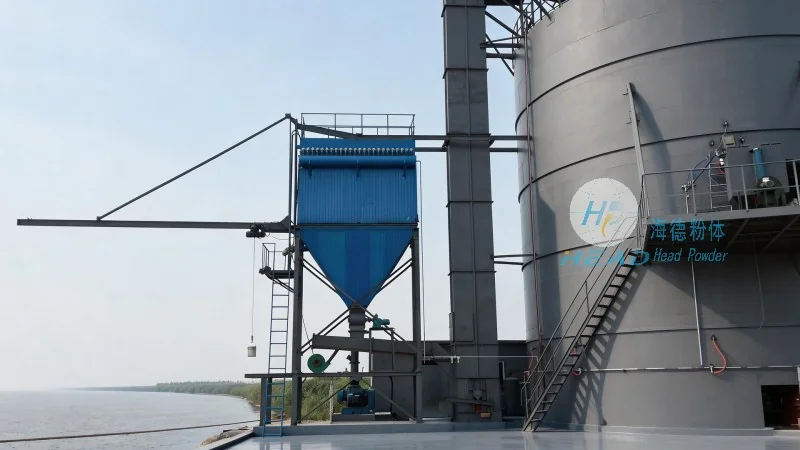
Another critical consideration is the environmental impact. Pneumatic systems, while effective at containing dust, can still generate significant air emissions if not properly filtered. Mechanical systems, on the other hand, produce no air emissions but may generate noise and mechanical wear. The choice between these methods often involves a trade-off between cost, efficiency, and environmental compliance.
Conclusion: Tailoring Solutions for Optimal Performance
Ultimately, the best perlite conveying method depends on the specific requirements of the application. Shandong HeadPowder Engineering Co., Ltd. offers customized solutions that integrate the most suitable conveying technology based on client needs. By leveraging their expertise in material handling, HeadPowder helps businesses optimize their perlite processing operations, ensuring efficiency, cost-effectiveness, and product quality. Whether pneumatic or mechanical, the right conveying system can significantly enhance the overall performance of perlite production and distribution processes.




