Understanding PFA Pneumatic Conveying Systems: An Overview of Technology and Operational Principles
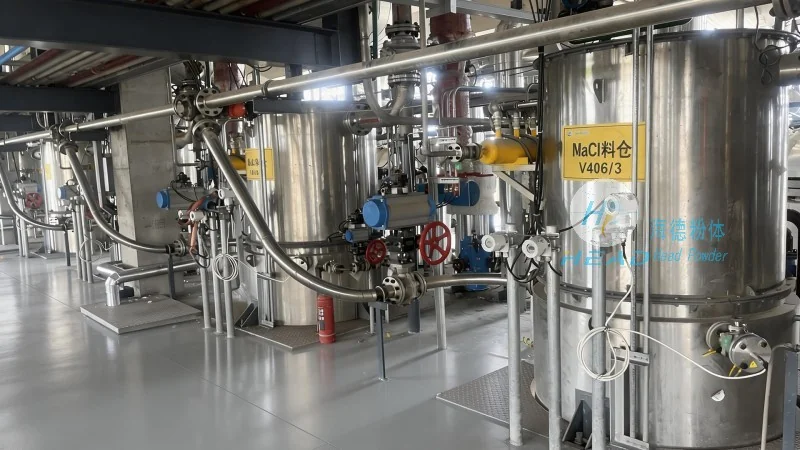
Introduction to PFA Pneumatic Conveying
PFA (Polytetrafluoroethylene-co-hexafluoropropylene) is a fluoropolymer renowned for its exceptional chemical resistance, thermal stability, and low friction properties. In industrial contexts, PFA is frequently handled using pneumatic conveying systems, which employ air or other gases to transport bulk materials such as powders and granules. This method offers advantages like non-contact material handling, reduced contamination, and the capability to transport materials over long distances or through complex piping networks.
The Working Principle of Pneumatic Conveying Systems
Pneumatic conveying systems operate by creating a pressure differential between the conveying line and the ambient environment. There are two primary types: pressure and vacuum systems. In pressure systems, a positive pressure is generated at the material feed point, pushing the material through the system. Vacuum systems, conversely, create a negative pressure at the discharge point, drawing material into the system. Both systems rely on the flow of air or gas to move the material, with the velocity and pressure of the gas being critical factors in determining the efficiency and capacity of the conveying process.
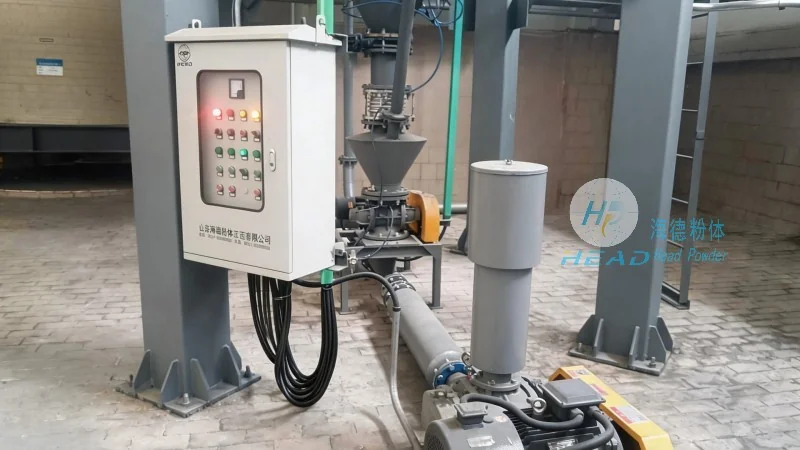
Key Components of PFA Pneumatic Conveying Systems
A typical PFA pneumatic conveying system consists of several key components. These include a material feeder (such as a rotary valve or screw feeder) to control the flow of PFA powder or granules, a conveying line (often made of PFA or other corrosion-resistant materials) to transport the material, a venturi or other gas acceleration device to increase the velocity of the gas, and a separator or cyclone to separate the material from the gas stream at the discharge end. The system may also include a filter to capture any fine particles and a blower or compressor to provide the necessary air or gas flow.
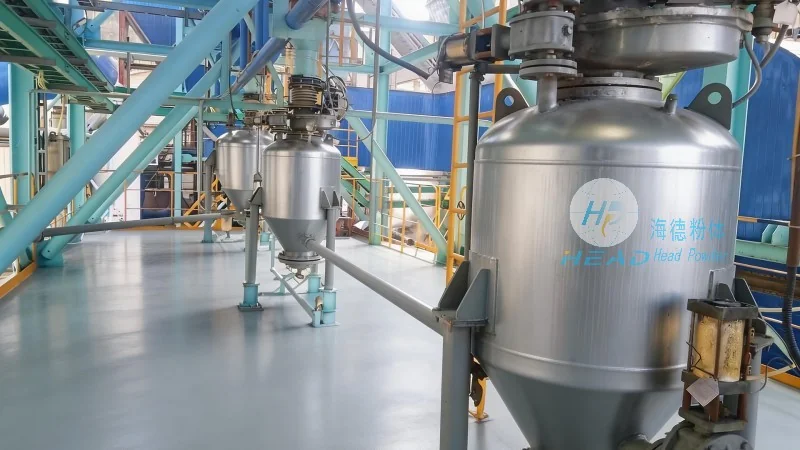
Benefits of Using PFA Pneumatic Conveying
Implementing PFA pneumatic conveying offers several benefits for industrial operations. The non-contact nature of the system minimizes material degradation and contamination, which is crucial for high-purity applications. PFA's chemical resistance ensures that the system components are not affected by the material being conveyed, even in aggressive environments. Additionally, pneumatic conveying can be integrated into existing production lines with minimal disruption, and it allows for flexible material handling, including vertical and horizontal transport.
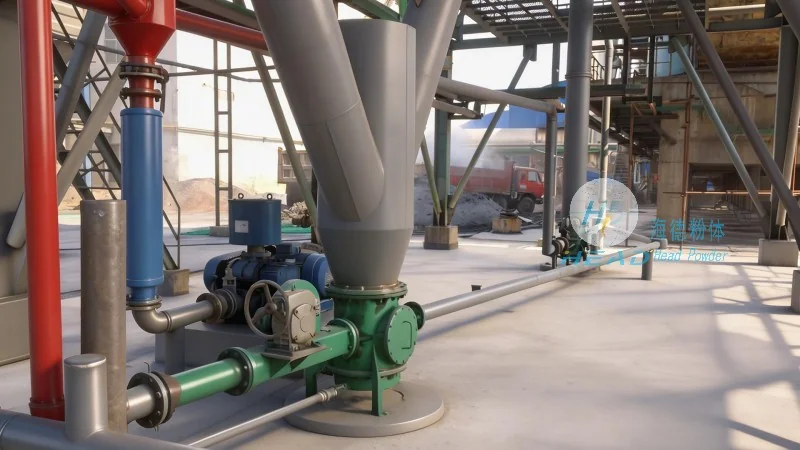
Application Examples in Industrial Settings
PFA pneumatic conveying is widely used in various industries, including chemical manufacturing, pharmaceuticals, and food processing. In chemical plants, it is used to transport PFA powders for coating or compounding applications. In pharmaceutical facilities, the system ensures that PFA materials are handled in a sterile and contamination-free manner, meeting stringent regulatory requirements. In food processing, the system can handle PFA-based ingredients while maintaining food safety standards.
The Role of Shandong HeadPowder Engineering Co., Ltd.
Shandong HeadPowder Engineering Co., Ltd., a leading provider of pneumatic conveying solutions, specializes in designing and manufacturing PFA pneumatic conveying systems tailored to the specific needs of industrial clients. With a focus on quality and innovation, the company utilizes advanced engineering techniques to ensure that its systems meet the highest standards of performance and reliability. The company's headquarters is located in Shandong, China, where it leverages local expertise and resources to support its global clientele.




