Stabilizer powders are essential components in various industrial applications, including pharmaceuticals, food processing, and chemical manufacturing. The efficient and reliable transportation of these powders from storage to processing units is critical for maintaining product quality and operational efficiency. Different conveying methods are employed based on the characteristics of the powder, the distance to be covered, and the specific requirements of the production line. This article provides a detailed comparison of common stabilizer powder conveying methods, highlighting their advantages and disadvantages to help industrial operators make informed decisions.
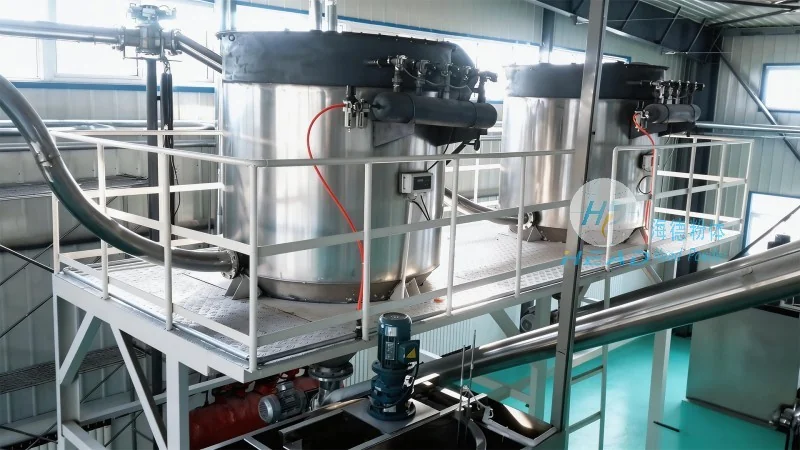
Screw Conveyors: A Traditional and Reliable Option
Screw conveyors, also known as auger conveyors, are among the most widely used systems for transporting bulk materials, including stabilizer powders. These systems consist of a rotating screw (auger) inside a trough or tube, which moves the material forward through the mechanism. The primary advantage of screw conveyors is their simplicity and low maintenance requirements. They are capable of handling a wide range of powder types, from fine to coarse, and can operate in both horizontal and inclined configurations. Additionally, screw conveyors are relatively inexpensive to install and can be easily integrated into existing production lines.
However, screw conveyors have several limitations that must be considered. One significant drawback is their susceptibility to clogging, especially with cohesive or sticky powders. The rotating screw can cause material to stick to the trough walls, leading to reduced throughput and potential blockages. Another disadvantage is the limited distance they can effectively convey material, typically up to 30 meters horizontally or 15 meters vertically. Furthermore, screw conveyors may not be suitable for materials that are highly abrasive or corrosive, as the metal components can wear out quickly, requiring frequent replacement.
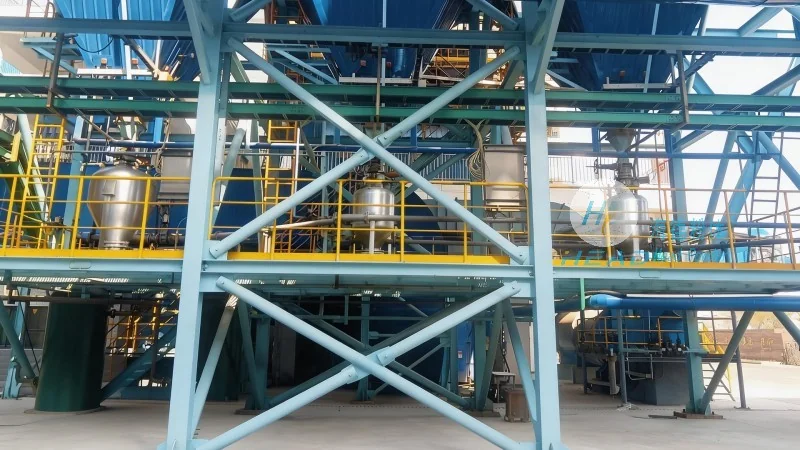
Pneumatic Conveying Systems: High-Capacity and Flexible Solutions
Pneumatic conveying systems use air or other gases to transport powders through a pipeline. These systems are available in two main types: pressure and vacuum. Pressure systems force air and material through the pipeline, while vacuum systems draw material into the pipeline using a vacuum pump. Pneumatic conveying offers several advantages, particularly in terms of high capacity and flexibility. They can transport large volumes of material over long distances, often up to several hundred meters, without the need for multiple transfer points. Additionally, these systems are well-suited for handling fine powders that are prone to dusting or segregation, as the enclosed pipeline prevents contamination and maintains product integrity.
Despite their benefits, pneumatic conveying systems have notable drawbacks. The most significant limitation is the energy consumption, as they require a significant amount of compressed air or vacuum power to operate. This can lead to higher operational costs, especially for continuous or high-volume applications. Another disadvantage is the potential for material degradation due to friction and abrasion within the pipeline, which may affect the quality of the stabilizer powder. Furthermore, the system design is more complex, requiring precise control of air pressure and flow rates to prevent clogging or blockages.
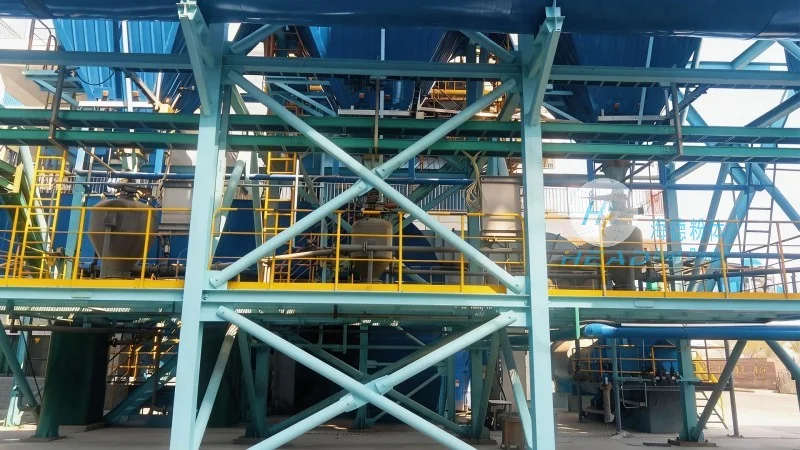
Pump-based Conveying Systems: Suitable for Liquified or Slurry Materials
Pump-based systems are primarily used for transporting materials that are in a semi-liquid or slurry state, such as stabilized powders mixed with a liquid carrier. These systems typically use positive displacement pumps or centrifugal pumps to move the material through a pipeline. The main advantage of pump-based conveyors is their ability to handle materials with high moisture content or those that are prone to settling, as the pump can maintain a consistent flow rate and prevent sedimentation. They are also effective for transporting materials over long distances, especially when combined with pipeline networks.
However, pump-based systems have their own set of challenges. The primary limitation is the need for a liquid carrier, which increases the complexity of the system and may require additional processing steps to separate the liquid from the powder. This can lead to higher operational costs and potential environmental concerns. Another disadvantage is the risk of pump wear and maintenance, as the pumps are exposed to abrasive or corrosive materials, which can reduce their lifespan. Furthermore, these systems are not suitable for dry powders that do not readily mix with liquids, as the pump may not be able to handle the solid particles effectively.
Choosing the Right Conveying Method for Stabilizer Powders
When selecting a conveying method for stabilizer powders, industrial operators must consider several factors, including the powder's physical properties, the required throughput, the distance to be covered, and the operational environment. Screw conveyors are ideal for short-distance, low-capacity applications where simplicity and cost-effectiveness are priorities. Pneumatic conveying systems are preferred for high-capacity, long-distance transport of fine powders, especially in industries where product integrity and contamination control are critical. Pump-based systems are suitable for materials that are in a slurry or semi-liquid state, where consistent flow and handling of moisture are essential.
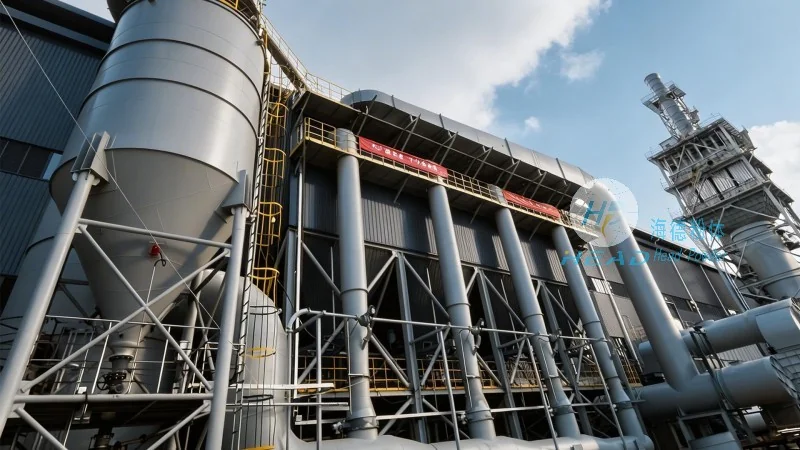
It is also important to consider the long-term costs and maintenance requirements of each system. While screw conveyors have lower initial costs and maintenance, their limitations in handling sticky or abrasive powders may lead to higher downtime and repair expenses over time. Pneumatic systems, on the other hand, may have higher energy costs but offer greater flexibility and reliability for specific applications. Pump-based systems require additional equipment for liquid handling and may have higher maintenance costs due to pump wear.
Shandong HeadPowder Engineering Co., Ltd., a leading manufacturer of industrial conveying equipment, offers a range of solutions tailored to the unique needs of stabilizer powder applications. With decades of experience in the industry, HeadPowder Engineering provides customized conveying systems that optimize efficiency, reduce downtime, and ensure product quality. Whether you need a screw conveyor, pneumatic system, or pump-based solution, HeadPowder Engineering's expert team can design and implement the right system for your production line.




