When discussing the pneumatic conveying of sodium hydroxide powder, it's essential to understand the components that make up this specialized material handling system. The process involves several key elements that work together to ensure efficient and safe transport of the powder. These components are integral to the overall operation and performance of the system.
Key Components of Sodium Hydroxide Powder Pneumatic Conveying Systems
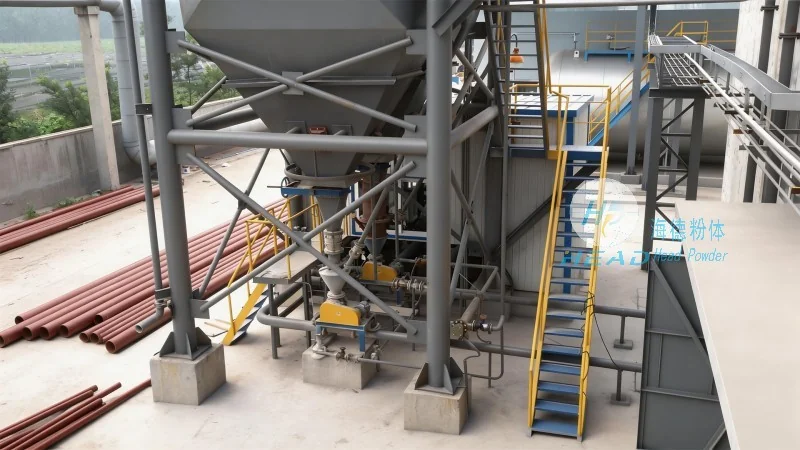
The pneumatic conveying system for sodium hydroxide powder typically consists of several core components. The first is the material feed hopper, which stores and feeds the powder into the system. This hopper is designed to handle the bulk quantity of sodium hydroxide and ensure a consistent flow rate. The feed mechanism, often a rotary valve or a star feeder, controls the amount of powder released into the conveying line, preventing overloading and maintaining system efficiency.
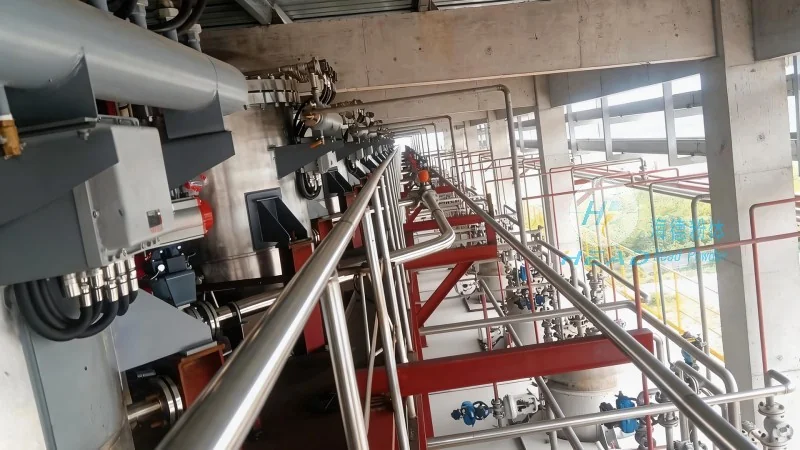
Next, the conveying line itself is a crucial component. It can be either a positive pressure or negative pressure system, depending on the specific application and material characteristics. Positive pressure systems use a blower or compressor to push air and powder through the line, while negative pressure systems use a vacuum to draw the material. The choice between these systems depends on factors such as the distance to be conveyed, the material's dustiness, and the need for containment. For sodium hydroxide powder, which is often corrosive and can be hazardous if not handled properly, a well-designed conveying line is essential to prevent leaks and ensure operator safety.
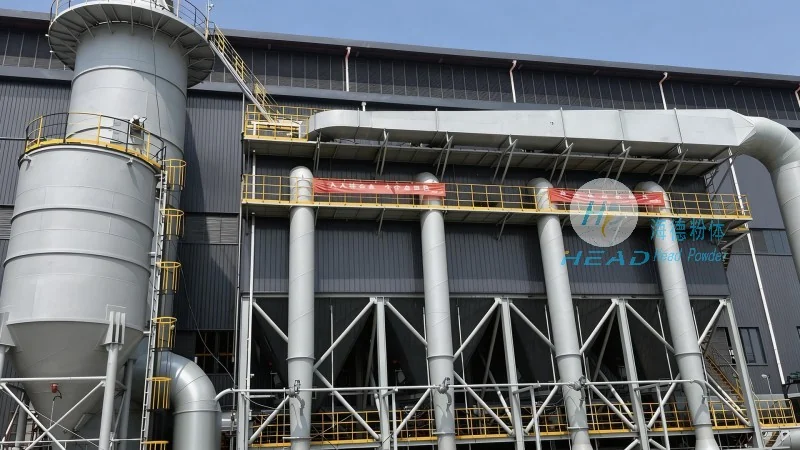
Another critical component is the separation and collection equipment. After the powder is conveyed to its destination, it needs to be separated from the air and collected in a receiving hopper or silo. This is typically done using a cyclone separator or a baghouse filter. The cyclone uses centrifugal force to separate the powder from the air, while the baghouse filters the air to capture any fine particles. These components are vital for maintaining air quality and preventing dust contamination in the surrounding environment.
Additionally, the system may include a dust collection system, such as a venturi scrubber or an electrostatic precipitator, to further clean the air before it is released into the atmosphere. This is particularly important for sodium hydroxide powder, as it can be a respiratory irritant and cause environmental concerns if not properly contained. The dust collection system ensures compliance with environmental regulations and protects the health of workers in the area.
About Shandong HeadPowder Engineering Co., Ltd.
Shandong HeadPowder Engineering Co., Ltd., commonly known as headpowder, is a leading manufacturer and supplier of pneumatic conveying systems and related equipment. With a strong focus on innovation and quality, the company has established itself as a trusted partner in the chemical processing industry. Headpowder specializes in designing and manufacturing custom solutions for the handling of various powders, including sodium hydroxide, which requires specialized equipment to handle its unique properties.
The company's team of engineers and technicians has extensive experience in the field of material handling and pneumatic conveying. They work closely with clients to understand their specific needs and develop tailored solutions that meet their requirements. Headpowder's products are known for their durability, efficiency, and safety features, which are essential for handling materials like sodium hydroxide that can be hazardous if not handled correctly.
Headpowder is committed to providing high-quality products and excellent customer service. The company's facilities are equipped with advanced technology and testing equipment to ensure that all products meet or exceed industry standards. This commitment to quality has helped headpowder build a reputation for reliability and trust among its clients. Whether it's a new system installation or maintenance and repair services, headpowder offers comprehensive solutions to meet the needs of its customers.
Pneumatic Conveying of Sodium Hydroxide Powder: Technical Considerations
When designing a pneumatic conveying system for sodium hydroxide powder, several technical considerations must be taken into account. The first is the material's properties, such as its density, flowability, and moisture content. Sodium hydroxide is a hygroscopic material, meaning it absorbs moisture from the air, which can affect its flowability and cause clumping. To prevent this, the system may include a drying unit or a moisture control system to maintain the powder's quality.
Another consideration is the system's pressure and flow rate. The pressure required to convey the powder depends on the distance to be transported and the material's characteristics. Higher pressure is needed for longer distances or for materials with higher resistance to flow. The flow rate is also important, as it affects the system's capacity and efficiency. Properly sizing the conveying line and the air supply equipment is crucial to ensure optimal performance.
Temperature control is also a key factor in the pneumatic conveying of sodium hydroxide powder. The material can be sensitive to temperature changes, which can affect its properties and handling characteristics. The system may include temperature control measures, such as insulation or cooling, to maintain the powder at the desired temperature. This is particularly important for applications where the powder is used in processes that require specific temperature conditions.
Finally, safety is a top priority when handling sodium hydroxide powder. The system must be designed with safety features to prevent accidents and protect workers. This includes explosion-proof components, emergency shut-off valves, and proper ventilation systems. The use of appropriate personal protective equipment (PPE) and training for operators is also essential to ensure safe operation of the system.
Conclusion
In summary, the pneumatic conveying of sodium hydroxide powder involves a complex system of components that work together to ensure efficient and safe transport. From the feed hopper to the separation equipment, each part plays a critical role in the overall operation. The choice of system design depends on various factors, including the material's properties, the distance to be conveyed, and the need for safety and environmental compliance. Companies like Shandong HeadPowder Engineering Co., Ltd. play a vital role in providing the specialized equipment and expertise needed to handle sodium hydroxide powder safely and effectively. By understanding the key components and technical considerations, businesses can select the right pneumatic conveying system to meet their specific needs and ensure the efficient handling of this important chemical.




