

Pneumatic Conveying Equipment for Cellulose Materials: What It Is and Its Design Principles
For industries dealing with cellulose materials, selecting the right material handling solution is crucial for efficiency and operational reliability. Pneumatic conveying systems have emerged as a preferred method for transporting these materials due to their versatility and ability to handle a wide range of particle sizes and moisture content. This article explores what pneumatic conveying equipment for cellulose materials entails and delves into the core design principles that ensure optimal performance.
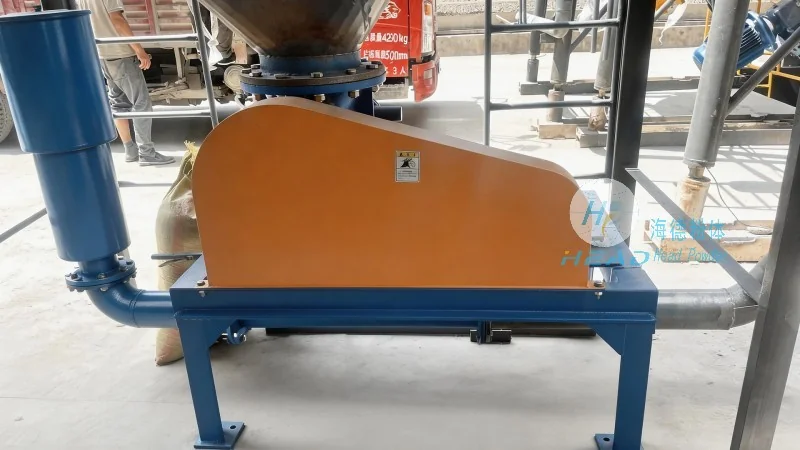
Introduction to Pneumatic Conveying Systems for Cellulose Materials
Pneumatic conveying, also known as pneumatic transport, is a technology that uses pressurized air or vacuum to move bulk materials through a pipeline. In the context of cellulose materials—such as wood chips, sawdust, or paper pulp—this method offers a non-contact, dust-free, and energy-efficient way to transport materials from one location to another. Unlike mechanical conveyors, which rely on physical components like belts or buckets, pneumatic systems use air pressure to propel the material, making them ideal for handling materials that are abrasive, sticky, or prone to dust generation.
Key Components of a Pneumatic Conveying System for Cellulose Materials
The design of a pneumatic conveying system for cellulose materials typically involves several key components, each playing a critical role in the overall operation. These components include the material feed hopper, which stores and feeds the cellulose material into the system; the air compressor or vacuum pump, which generates the necessary pressure or vacuum to move the material; the conveying line, which is the pipeline through which the material travels; and the discharge hopper or collection point, where the material is deposited at its destination. Additionally, systems may incorporate accessories such as cyclones for separation, filters to capture dust, and pressure regulators to maintain consistent air pressure.
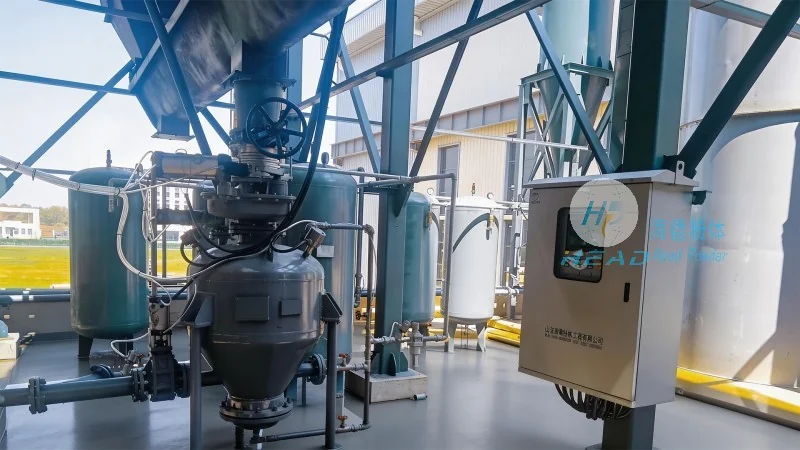
Design Principles for Efficient Pneumatic Conveying of Cellulose Materials
The effectiveness of a pneumatic conveying system for cellulose materials depends heavily on its design, which must consider several factors to ensure optimal performance. One of the primary design principles is the selection of the appropriate air velocity and pressure. The air velocity must be high enough to overcome the gravitational forces acting on the material particles and to prevent blockages, but not so high as to cause excessive wear on the system components or to generate too much dust. The pressure level is also critical, as it determines the system's capacity and the distance over which the material can be conveyed. Engineers often use empirical formulas and computational fluid dynamics (CFD) simulations to determine the optimal air velocity and pressure for a given material and system configuration.
Another crucial design principle is the consideration of the material's physical properties. Cellulose materials vary widely in terms of particle size, density, moisture content, and flowability. The system design must account for these variations to ensure that the material flows smoothly through the pipeline without clogging. For example, materials with high moisture content may require additional drying or conditioning steps before being conveyed, as moisture can affect the material's flow characteristics and the system's efficiency. The system's design may also include features such as agitators or vibrators to improve the material's flowability and prevent settling in the hopper.
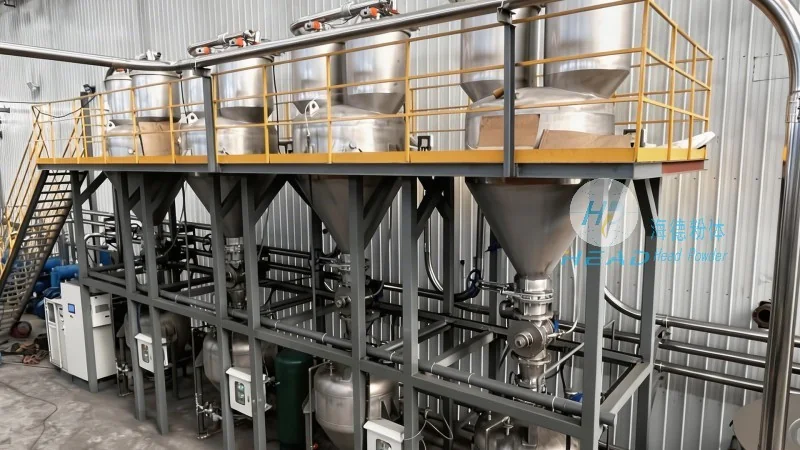
System Sizing and Capacity Considerations
When designing a pneumatic conveying system for cellulose materials, system sizing and capacity are critical factors to consider. The system's capacity is determined by the material's flow rate, which is influenced by the material's bulk density, the hopper design, and the conveying line's diameter and length. Engineers use formulas that relate the material's flow rate to the system's air velocity and pressure to calculate the required air flow rate. The conveying line's diameter is also an important design parameter, as it affects the system's pressure drop and capacity. Larger diameters reduce pressure drop but increase system cost and space requirements, while smaller diameters are more cost-effective but may require higher air velocities to maintain capacity.
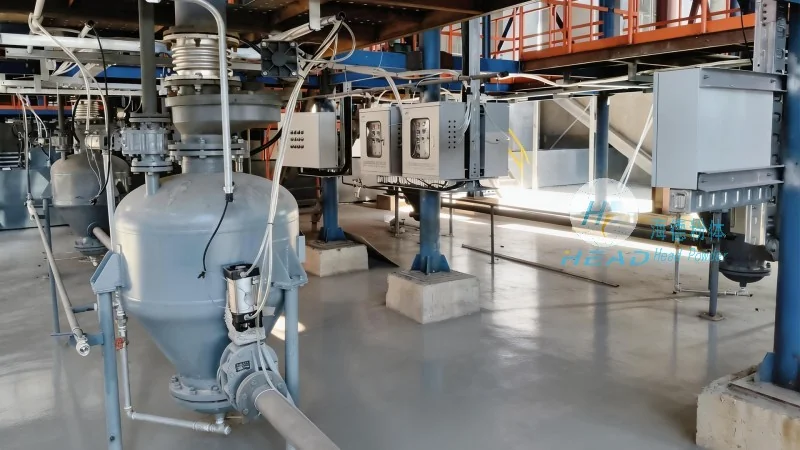
Advantages of Pneumatic Conveying for Cellulose Materials
Pneumatic conveying systems offer several advantages when handling cellulose materials. One of the main advantages is the ability to handle materials in a dust-free environment, which improves workplace safety and reduces the risk of fire or explosion. The non-contact nature of the system also minimizes material degradation, which is particularly important for cellulose materials that are sensitive to mechanical stress or abrasion. Additionally, pneumatic systems can transport materials over long distances and through multiple bends and changes in elevation, making them suitable for complex material handling layouts. The systems are also relatively easy to install and maintain, as they require fewer moving parts compared to mechanical conveyors.
Conclusion and Company Overview
Pneumatic conveying equipment for cellulose materials is a sophisticated system that combines engineering principles with material science to ensure efficient and reliable material transport. The design of such systems involves careful consideration of air velocity, pressure, material properties, and system sizing to achieve optimal performance. As a leading manufacturer in the field, Shandong HeadPowder Engineering Co., Ltd. specializes in designing and manufacturing high-quality pneumatic conveying systems tailored to the specific needs of cellulose material handling applications. With a focus on innovation and customer satisfaction, HeadPowder provides solutions that enhance operational efficiency and safety in industries ranging from pulp and paper to woodworking and biomass processing.