When it comes to transporting sawdust and wood chips, pneumatic conveying systems offer efficient and reliable solutions. These systems utilize air to move bulk materials, making them ideal for various industrial applications. The classification of such systems is crucial for understanding their design, functionality, and suitability for specific tasks. This article provides an in-depth analysis of the different types of sawdust and wood chip pneumatic conveying systems, along with their practical applications.
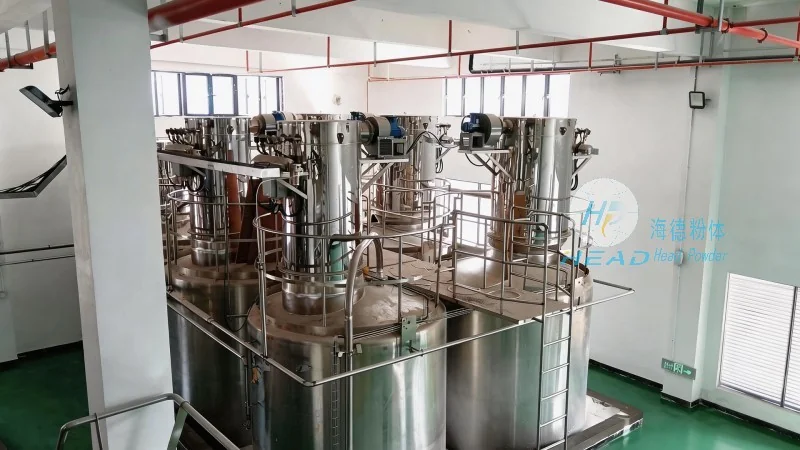
Types of Pneumatic Conveying Systems for Sawdust and Wood Chips
There are primarily two categories of pneumatic conveying systems used for handling sawdust and wood chips: positive pressure and negative pressure systems. Positive pressure systems, also known as pressure conveying, operate by blowing air into the system, pushing the material through the pipeline. This method is suitable for long-distance and high-capacity transport. On the other hand, negative pressure systems, or vacuum conveying, draw material into the system using a vacuum. This approach is often preferred for shorter distances and when handling materials that are prone to dust or require gentle handling.
Key Components of Sawdust and Wood Chip Pneumatic Conveying Systems
Regardless of the system type, several key components are essential for the proper operation of sawdust and wood chip pneumatic conveying systems. These include the material feed hopper, which holds the bulk material and feeds it into the system; the air compressor or vacuum pump, which provides the necessary pressure or vacuum; the conveying pipeline, which transports the material; and the control system, which regulates the flow and pressure. Additionally, filters and cyclones are often used to separate the material from the air, ensuring clean operation and preventing dust accumulation.
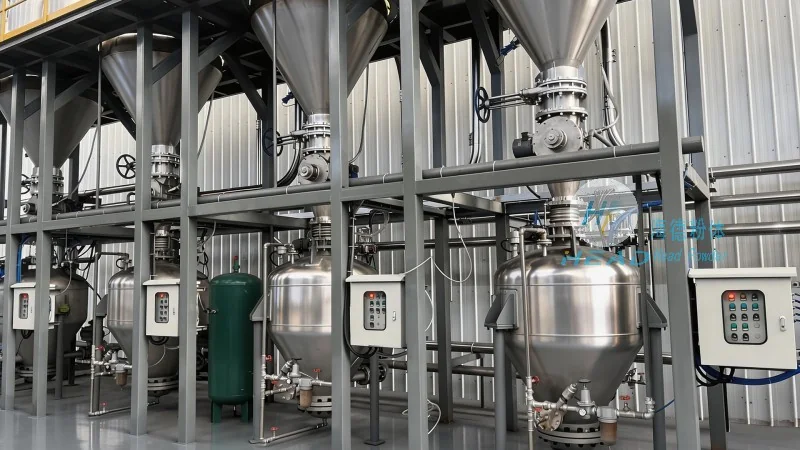
Applications of Pneumatic Conveying Systems in Wood Processing Industries
Sawdust and wood chip pneumatic conveying systems find extensive applications in the wood processing industry. One common use is in the transportation of raw materials from storage silos to processing machinery, such as wood chippers or pellet mills. This allows for a continuous and automated material flow, reducing labor costs and improving production efficiency. Another application is in the transfer of finished products, like wood pellets or sawdust briquettes, from production lines to packaging or storage areas. The systems also play a role in the recycling of wood waste, where sawdust and chips are collected and conveyed to recycling facilities for further processing.
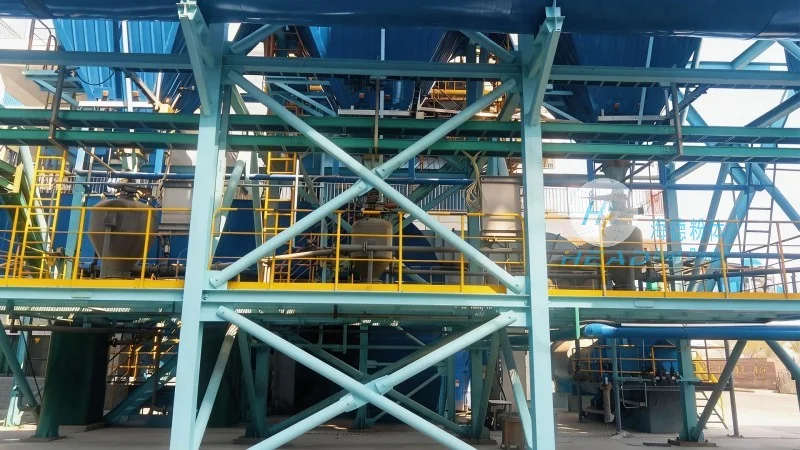
Advantages of Using Pneumatic Conveying Systems for Sawdust and Wood Chips
There are several advantages to employing pneumatic conveying systems for sawdust and wood chip transport. Firstly, these systems are highly efficient, as they can move large volumes of material over long distances with minimal energy consumption. Secondly, they offer a dust-free operation, which is crucial for maintaining a clean and safe working environment in wood processing facilities. Thirdly, pneumatic conveying systems are flexible and can be easily integrated with existing production lines. They can also handle materials with varying moisture content and particle sizes, making them suitable for a wide range of applications. Additionally, these systems are relatively low-maintenance, with fewer moving parts compared to traditional mechanical conveyors.
About Shandong HeadPowder Engineering Co., Ltd.
Shandong HeadPowder Engineering Co., Ltd., commonly known as HeadPowder, is a leading manufacturer and supplier of pneumatic conveying systems and related equipment. With a strong focus on innovation and quality, HeadPowder specializes in designing and producing customized solutions for the wood processing industry. The company's headquarters is located in Shandong, China, where it has a dedicated team of engineers and technicians who work closely with clients to understand their specific needs and provide tailored solutions. HeadPowder's products are known for their durability, efficiency, and reliability, making them a trusted choice for businesses in the wood industry.




