HeadPowder, a leading engineering firm based in Shandong, China, specializes in the design, manufacturing, and implementation of advanced pneumatic conveying systems for sulfur. This article provides a comprehensive overview of the classification of sulfur pneumatic conveying systems and their practical applications, highlighting the technical advancements and operational efficiencies that such systems offer in industrial settings.
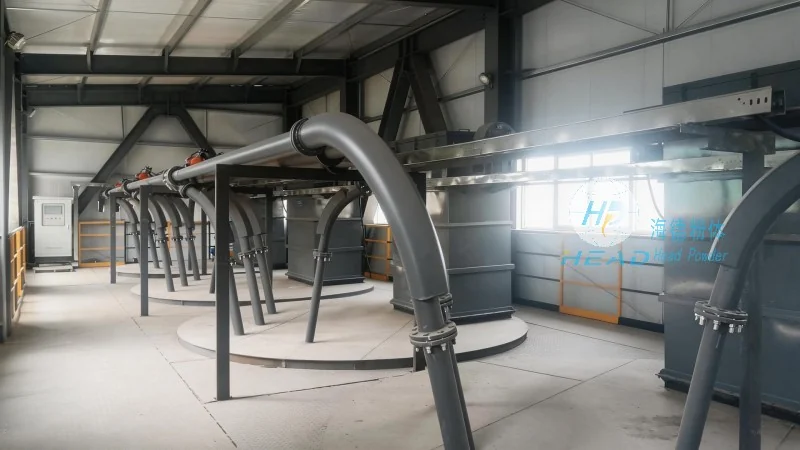
Introduction to Sulfur Pneumatic Conveying Systems
Sulfur, a critical raw material in various industries including chemical manufacturing, fertilizer production, and energy generation, requires efficient and reliable transport methods to ensure smooth production processes. Pneumatic conveying systems have emerged as a preferred solution for handling sulfur due to their ability to transport bulk materials over long distances with minimal environmental impact and operational complexity. These systems utilize air or other gases to move sulfur particles through a pipeline network, offering advantages such as reduced dust generation, improved safety, and enhanced process control.
Classification of Sulfur Pneumatic Conveying Systems
Sulfur pneumatic conveying systems can be broadly classified into two main categories based on the conveying principle: pressure and vacuum systems. Each type has distinct characteristics and is suitable for different operational requirements.
1. Pressure Pneumatic Conveying Systems
Pressure systems operate by introducing compressed air or gas into the conveying line at the discharge end, creating a positive pressure that propels the sulfur particles forward. This method is particularly effective for short to medium-distance transport and is commonly used in applications where the material is to be discharged into a storage silo or processing unit. The system typically includes a blower or compressor, a material feed hopper, and a discharge valve, ensuring consistent and controlled material flow.
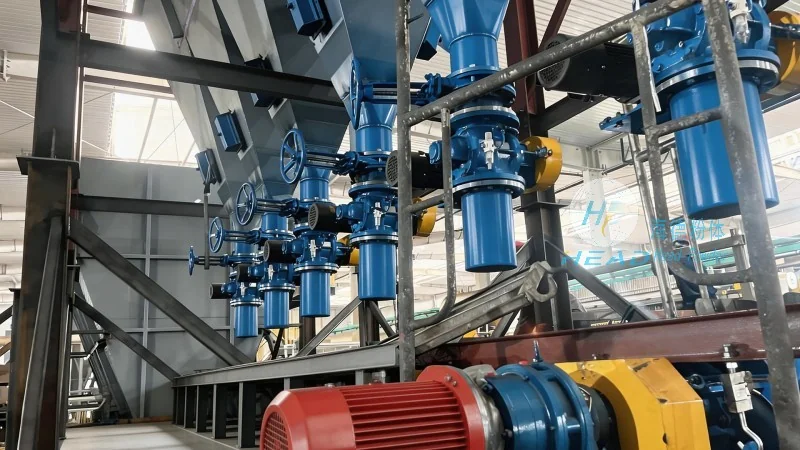
2. Vacuum Pneumatic Conveying Systems
Vacuum systems, on the other hand, create a negative pressure at the material intake point, drawing the sulfur particles into the pipeline using suction. This approach is ideal for long-distance transport and for applications where the material needs to be collected from multiple sources and consolidated at a central location. Vacuum systems are often more flexible in terms of layout and can handle materials with varying particle sizes and moisture content.
Key Components and Design Considerations
Both pressure and vacuum systems consist of several critical components that ensure efficient operation. These include the air supply unit (blower or compressor), material feeders (hoppers or rotary valves), conveying pipelines, and discharge equipment (e.g., silos, storage tanks). The design of these components is tailored to the specific properties of sulfur, such as its density, particle size distribution, and flow characteristics. For instance, the material feed hopper may be equipped with a pre-screening mechanism to prevent oversized particles from damaging the system, while the pipelines are often lined with corrosion-resistant materials to withstand the acidic nature of sulfur compounds.
Applications of Sulfur Pneumatic Conveying Systems
The versatility of sulfur pneumatic conveying systems makes them applicable across a wide range of industrial sectors. In the chemical industry, these systems are used to transport sulfur from storage facilities to reactors, ensuring a continuous supply of raw material for processes like sulfuric acid production. In fertilizer manufacturing, pneumatic conveyors help in moving sulfur granules to blending and packaging units, contributing to the efficient production of sulfur-based fertilizers. Additionally, in power generation plants, sulfur is conveyed to flue gas desulfurization (FGD) systems, where it plays a crucial role in reducing sulfur dioxide emissions and improving environmental compliance.
Operational Advantages and Challenges
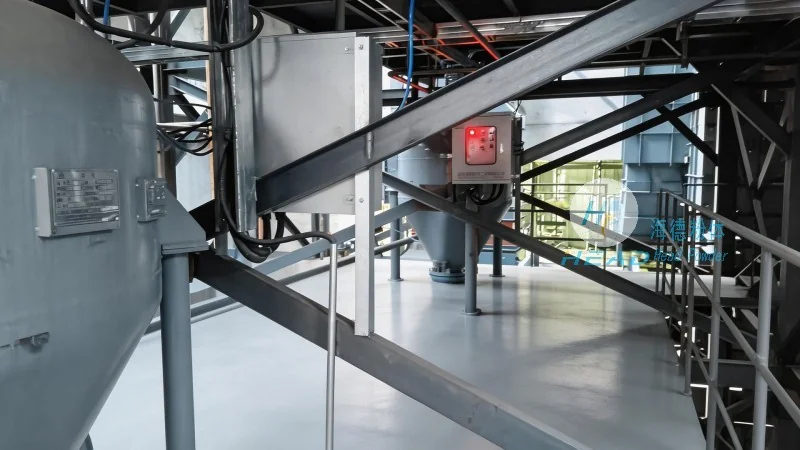
Implementing sulfur pneumatic conveying systems offers several operational advantages. These include reduced labor costs due to automated material handling, minimized material loss and contamination, and enhanced safety by eliminating manual handling of bulk sulfur. However, the systems also present certain challenges that need to be addressed. For example, the corrosive nature of sulfur can lead to pipeline wear and degradation over time, requiring regular maintenance and the use of specialized materials. Additionally, the high temperature and pressure conditions in some applications may necessitate the use of robust sealing mechanisms to prevent air leakage and material spillage.
HeadPowder's Expertise in Sulfur Pneumatic Conveying Solutions
Shandong HeadPowder Engineering Co., Ltd., with its headquarters in Shandong, China, has established itself as a trusted provider of customized sulfur pneumatic conveying solutions. The company leverages advanced engineering principles and extensive industry experience to design systems that meet the unique requirements of each client. By integrating cutting-edge technology with practical design considerations, HeadPowder ensures that its systems deliver optimal performance, reliability, and cost-effectiveness. The company's commitment to quality and customer satisfaction has made it a preferred choice for businesses seeking to enhance their sulfur handling capabilities.
Conclusion
In conclusion, sulfur pneumatic conveying systems represent a sophisticated and efficient method for transporting bulk sulfur in industrial applications. The classification of these systems into pressure and vacuum types allows for tailored solutions based on specific operational needs, while the integration of advanced components and design strategies ensures optimal performance. As industries continue to seek more efficient and sustainable material handling solutions, the role of pneumatic conveying systems in sulfur processing is likely to grow. With its expertise and dedication to innovation, Shandong HeadPowder Engineering Co., Ltd. remains at the forefront of providing reliable and effective sulfur pneumatic conveying solutions to meet the evolving demands of the industry.




