As a specialized engineering company, Shandong HeadPowder Engineering Co., Ltd. (hereinafter referred to as HeadPowder) focuses on the research, development, and application of advanced material handling technologies. Among these technologies, the pneumatic conveying system for lithium iron carbonate stands out as a critical solution for efficient material transport in various industrial settings. This article provides a comprehensive classification and application analysis of such systems, highlighting their operational principles, types, and practical implementations.
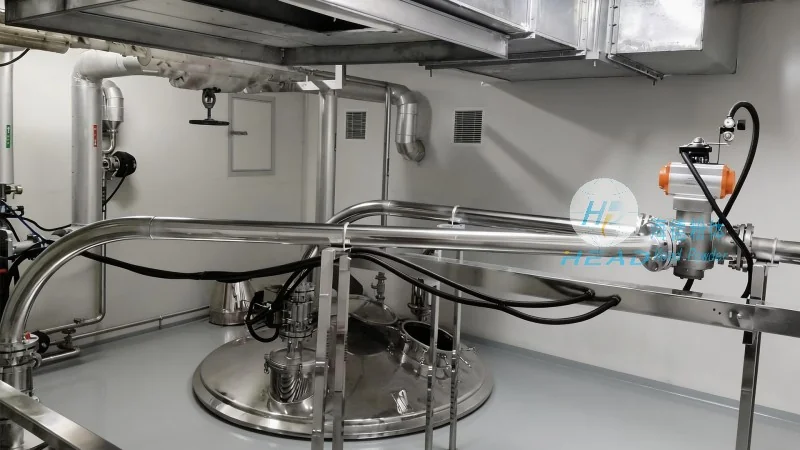
Basic Principles of Pneumatic Conveying Systems
Pneumatic conveying systems utilize air or gas as the medium to transport bulk materials through a pipeline network. The core mechanism involves creating a pressure differential between the inlet and outlet of the system, which propels the material along the pipeline. For lithium iron carbonate, a lightweight and fine-grained material, the system design must consider factors such as particle size, moisture content, and flow characteristics to ensure optimal performance. HeadPowder's expertise lies in tailoring these systems to meet the specific demands of lithium iron carbonate processing, ensuring reliable and efficient material handling.
Classification of Pneumatic Conveying Systems for Lithium Iron Carbonate
Based on the operational principles and system configurations, pneumatic conveying systems for lithium iron carbonate can be broadly classified into several types. The first category is the pressure type system, which uses compressed air to push the material forward. This type is suitable for short-distance transport and is commonly used in applications where the material needs to be conveyed from a storage silo to a processing unit. The second category is the vacuum type system, which employs a vacuum pump to draw the material into the pipeline. This system is ideal for long-distance transport and is often used in scenarios where the material must be moved from a remote location to a central processing facility. Additionally, there are combined systems that integrate both pressure and vacuum mechanisms to achieve flexible and efficient material transport. HeadPowder offers customized solutions across these categories, ensuring that clients can select the most appropriate system based on their specific operational requirements.
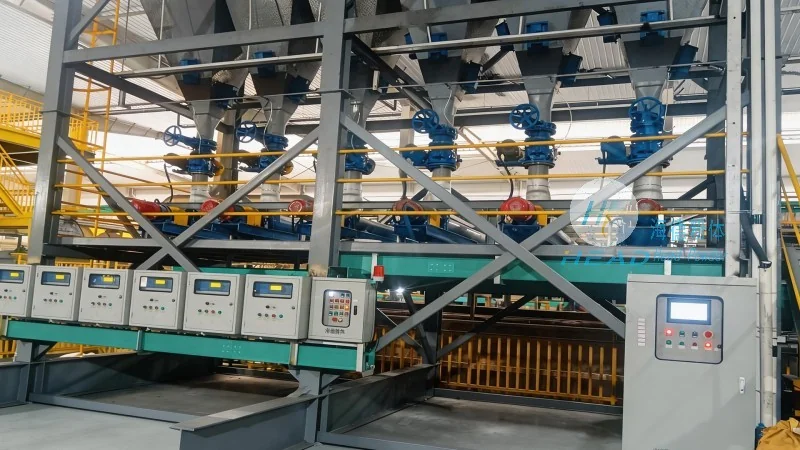
Key Components and Design Considerations
The effectiveness of a pneumatic conveying system for lithium iron carbonate depends on several key components and design considerations. The hopper or feeder is the primary component responsible for feeding the material into the system. For lithium iron carbonate, which is prone to bridging and caking, the hopper design must incorporate anti-bridging features, such as a conical shape and vibration mechanisms, to ensure consistent material flow. The pipeline system, typically made of stainless steel or other corrosion-resistant materials, must be designed to handle the abrasive nature of the material and prevent blockages. The air compressor or vacuum pump, which provides the necessary pressure or vacuum, must be selected based on the system's capacity and the material's characteristics. HeadPowder's engineers conduct thorough material analysis and system simulations to optimize these components, ensuring that the system operates at peak efficiency and minimal maintenance.
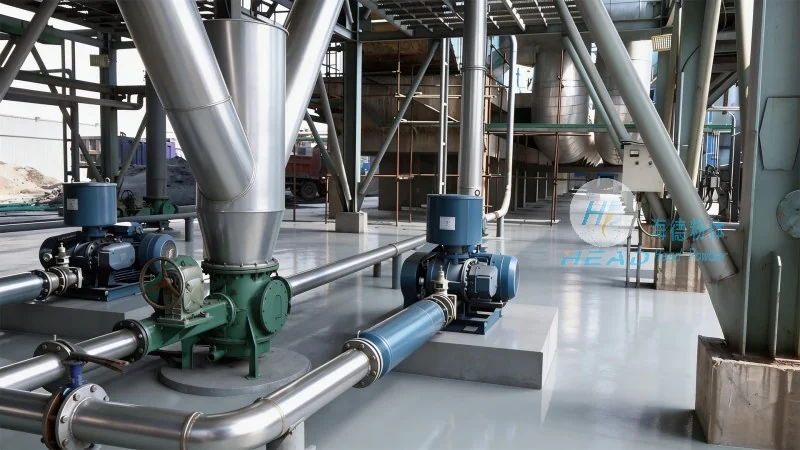
Application Analysis of Pneumatic Conveying Systems in Lithium Iron Carbonate Processing
The application of pneumatic conveying systems for lithium iron carbonate spans multiple industries, including battery manufacturing, chemical processing, and material handling. In battery manufacturing, these systems are crucial for transporting raw materials from storage to production lines, ensuring a continuous and stable supply of lithium iron carbonate. The systems help maintain consistent material quality and reduce downtime caused by material handling issues. In chemical processing, the systems are used to transfer the material between different processing stages, such as drying, grinding, and mixing. This ensures that the material is handled gently, preserving its properties and preventing contamination. HeadPowder has successfully implemented these systems in various industrial projects, demonstrating their reliability and efficiency in real-world applications. For example, a client in the battery industry reported a 20% increase in production efficiency after adopting HeadPowder's customized pneumatic conveying system, attributed to reduced material handling time and improved system reliability.
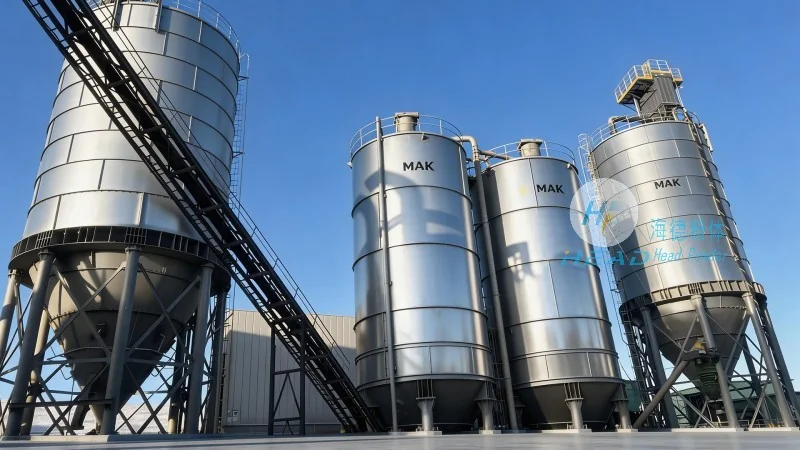
Advantages and Challenges in Implementing Pneumatic Conveying Systems
Implementing pneumatic conveying systems for lithium iron carbonate offers several advantages, including high efficiency, low maintenance, and the ability to handle fine-grained materials. The systems can transport materials over long distances without the need for intermediate storage or handling, reducing the risk of material contamination and loss. Additionally, the systems are compact and can be integrated into existing industrial setups, minimizing space requirements. However, there are also challenges associated with these systems. One major challenge is the potential for material blockages, especially with fine-grained materials like lithium iron carbonate. This can be mitigated through proper system design, including the use of anti-clogging features and regular maintenance. Another challenge is the energy consumption, as pneumatic systems require significant power to operate. HeadPowder addresses these challenges by offering energy-efficient solutions, such as variable frequency drives and optimized pipeline designs, to reduce operational costs and environmental impact.
Future Trends and Innovations in Pneumatic Conveying Technology
As the demand for lithium iron carbonate and other fine-grained materials continues to grow, the pneumatic conveying technology is evolving to meet new challenges and opportunities. One of the key trends is the integration of automation and control systems, which allows for real-time monitoring and adjustment of the system's performance. This enhances the system's efficiency and reduces the need for manual intervention. Another trend is the use of advanced materials in pipeline construction, such as high-strength polymers and composite materials, which improve the system's durability and reduce maintenance costs. HeadPowder is at the forefront of these innovations, investing in research and development to develop next-generation pneumatic conveying systems that are more efficient, reliable, and sustainable. The company's commitment to technological advancement ensures that its clients can benefit from the latest improvements in material handling technology.




