Wood chip pneumatic conveying systems are essential equipment in the wood processing industry, designed to transport wood chips efficiently from one location to another. These systems utilize air as the conveying medium, enabling the movement of bulk materials without the need for mechanical components like belts or buckets. The classification and application of such systems are crucial for optimizing material handling processes in various industrial settings.
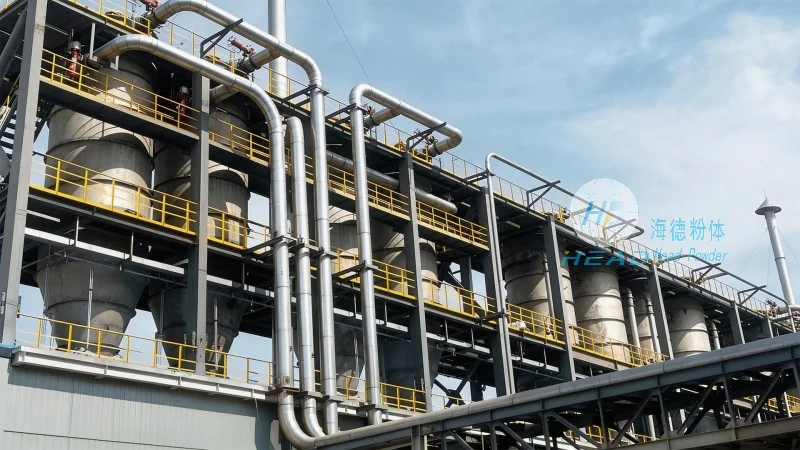
Company Introduction
HeadPowder, a leading manufacturer based in Shandong, China, specializes in the design, development, and implementation of advanced pneumatic conveying solutions. With a strong commitment to quality and innovation, the company has established itself as a trusted partner for businesses seeking reliable wood chip handling systems. The company's headquarters is located in Shandong, providing a strategic base for serving clients across the region and beyond.
Types of Wood Chip Pneumatic Conveying Systems
Wood chip pneumatic conveying systems can be broadly categorized into two main types: positive pressure systems and negative pressure (or vacuum) systems. Each type has distinct characteristics and is suitable for different operational requirements.
Positive pressure systems operate by blowing air into the conveying line, creating a pressure higher than the ambient air. This method is effective for short to medium-distance transport and is commonly used in applications where the material is relatively dry and free-flowing. The system typically includes a blower, a hopper for material storage, and a discharge point where the material is released. Positive pressure systems are known for their simplicity and low maintenance, making them a popular choice for many wood processing facilities.
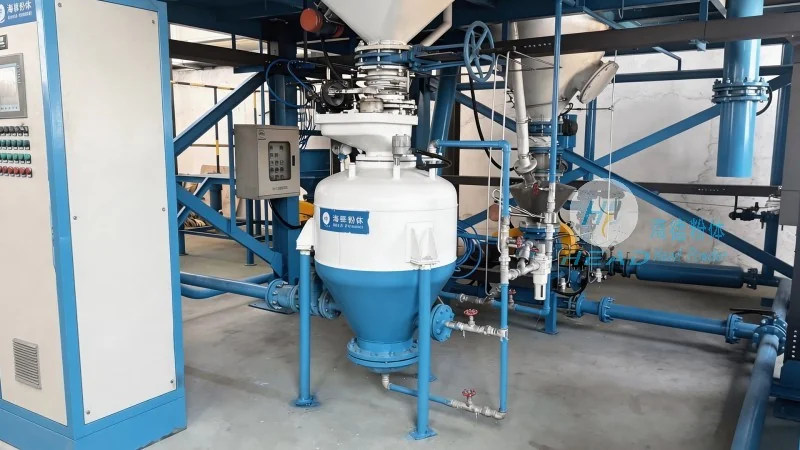
Negative pressure systems, on the other hand, create a vacuum in the conveying line, drawing the material and air mixture into the system. This approach is ideal for longer distances and for handling materials that are more abrasive or have higher moisture content. The system consists of a vacuum pump, a collection hopper, and a discharge point. Negative pressure systems are often preferred in applications where dust control and material containment are critical, as they minimize the risk of material spillage and air leakage.
Additionally, there are hybrid systems that combine elements of both positive and negative pressure technologies. These systems are designed to offer flexibility and adaptability, allowing for the transport of materials over varying distances and under different conditions. Hybrid systems typically use a combination of blowers and vacuum pumps, providing a balanced approach to material handling.
Key Components of Wood Chip Pneumatic Conveying Systems
Regardless of the system type, wood chip pneumatic conveying systems share several key components that ensure efficient operation. These components include:
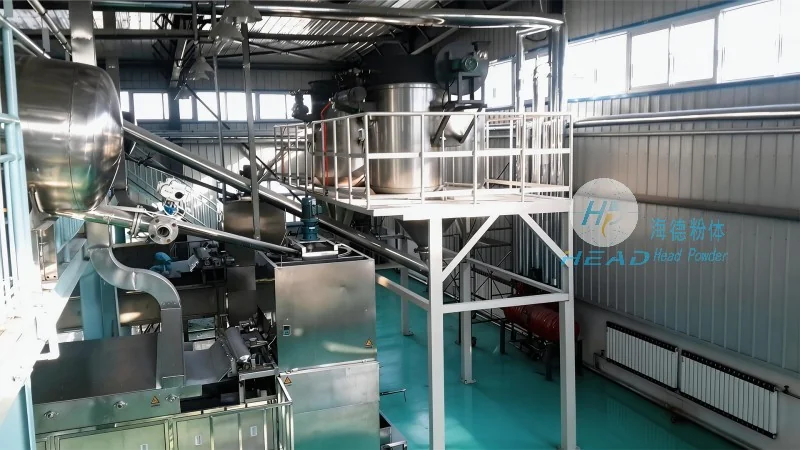
- Conveying Line: The main pipeline through which the material and air mixture travels. The material is typically suspended in the air stream, allowing it to be transported at high speeds.
- Blower or Vacuum Pump: The power source that generates the necessary air pressure or vacuum to move the material. The choice of equipment depends on the system type and the specific material characteristics.
- Hopper and Feeder: The hopper stores the wood chips, and the feeder controls the flow rate of the material into the conveying line. Proper feeding is essential to maintain consistent material transport and prevent blockages.
- Filter and Dust Collection: To ensure environmental compliance and maintain air quality, systems include filters and dust collection units. These components capture fine particles and return clean air to the environment.
- Control System: Modern systems are equipped with advanced control panels that monitor and regulate the operation of the conveying system. This includes sensors for material level, air pressure, and flow rate, ensuring optimal performance and preventing operational issues.
Applications in the Wood Processing Industry
Wood chip pneumatic conveying systems find widespread application in various sectors of the wood processing industry. The primary use is in the transportation of wood chips from the storage area to the processing equipment, such as wood chippers, grinders, or pellet mills. This efficient transport method reduces labor costs and improves overall production efficiency.
In the paper and pulp industry, these systems are used to convey wood chips to the pulping process, where they are converted into pulp for paper production. The ability to handle large volumes of material quickly and reliably is crucial for maintaining the flow of production in large-scale paper mills.
In the wood pellet industry, pneumatic conveying systems are essential for transporting wood chips to the pelletizing machines. The uniform transport of material ensures consistent pellet quality and reduces downtime due to material blockages.
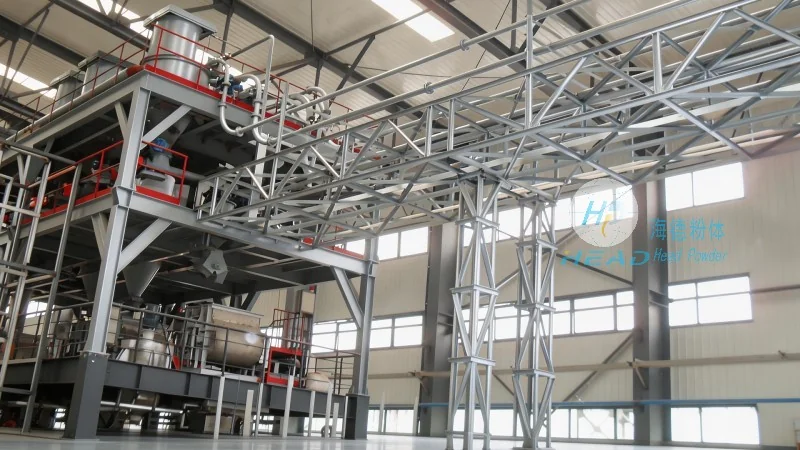
Additionally, these systems are used in the manufacturing of wood-based panels, such as particleboard and medium-density fiberboard (MDF). The efficient handling of wood chips is vital for maintaining the quality of the final product and optimizing the production process.
Advantages of Wood Chip Pneumatic Conveying Systems
Wood chip pneumatic conveying systems offer several advantages over traditional mechanical conveying methods. These include:
- Efficiency and Speed: The systems can transport large volumes of material at high speeds, significantly reducing the time required for material handling.
- Low Maintenance: With fewer moving parts compared to mechanical systems, pneumatic conveying systems require less maintenance and have lower operational costs.
- Versatility: The ability to handle a wide range of material types and sizes makes these systems suitable for various applications.
- Space Efficiency: Pneumatic systems can be installed in tight spaces, as they do not require large mechanical components or extensive infrastructure.
- Environmental Benefits: Properly designed systems include dust collection and filtration, reducing the environmental impact and improving workplace safety.
Conclusion
Wood chip pneumatic conveying systems are a critical component of modern wood processing operations. By understanding the different types of systems and their applications, businesses can select the most appropriate solution to meet their specific needs. With advancements in technology and design, these systems continue to evolve, offering improved efficiency, reliability, and environmental performance. For companies seeking reliable and efficient wood chip handling solutions, HeadPowder, based in Shandong, China, provides high-quality systems tailored to meet industry requirements.




