Aluminum batteries have emerged as a promising technology in the field of energy storage, offering high energy density and environmental advantages. The efficient and reliable transportation of aluminum battery components and materials is crucial for the manufacturing process. Pneumatic conveying systems have become a key solution for handling these materials, ensuring safe and effective movement within production lines. This article provides a comprehensive classification and application analysis of pneumatic conveying systems specifically designed for aluminum battery production.
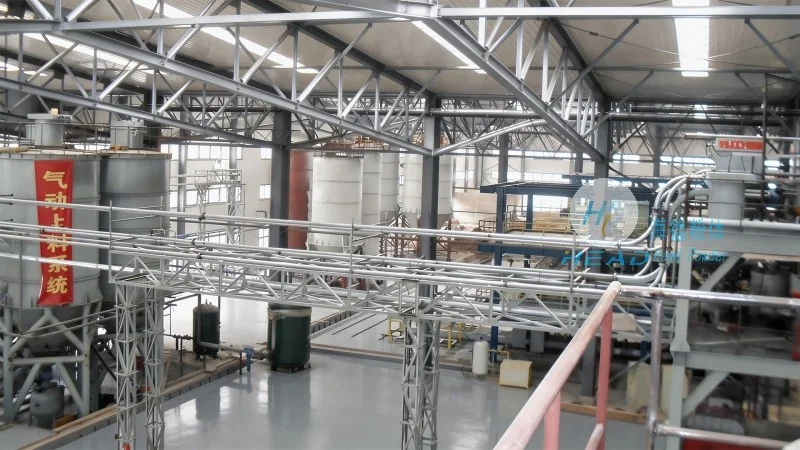
Introduction to Pneumatic Conveying Systems for Aluminum Batteries
Pneumatic conveying systems utilize air or other gases to transport bulk materials, including powders and granules, through a pipeline network. For aluminum battery manufacturing, these systems are essential for moving raw materials, intermediate products, and finished components. The choice of a suitable pneumatic conveying system depends on factors such as material properties, production scale, and operational requirements. The primary goal is to achieve high efficiency, low maintenance, and minimal material degradation during the conveying process.
Classification of Pneumatic Conveying Systems for Aluminum Batteries
Pneumatic conveying systems for aluminum batteries can be broadly classified into two main categories: pressure and vacuum systems. Each type has distinct characteristics and applications.
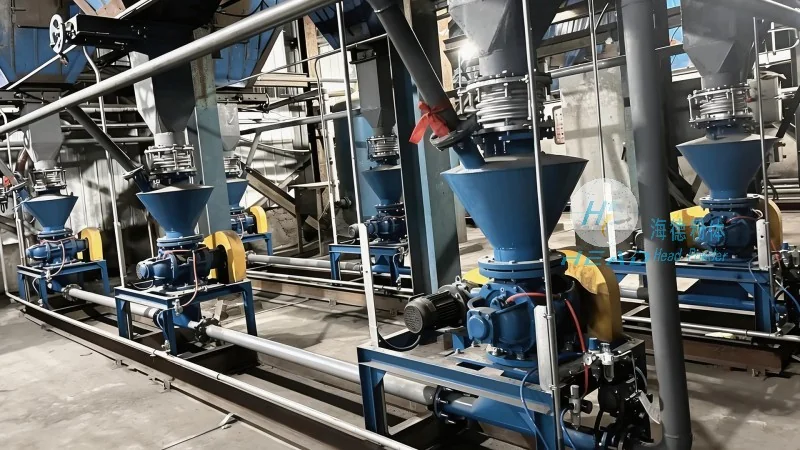
Pressure Pneumatic Conveying Systems
Pressure systems operate by introducing compressed air into the material container, creating a pressure differential that propels the material through the pipeline. These systems are suitable for long-distance conveying and high-volume material transport. They are commonly used in aluminum battery production for transporting raw powders, such as aluminum oxide or other battery active materials. The high pressure ensures consistent flow and reduces the risk of material clogging in the pipeline.
Vacuum Pneumatic Conveying Systems
Vacuum systems, on the other hand, create a negative pressure in the pipeline to draw material from the source. This method is ideal for short-distance conveying and handling materials that are sensitive to pressure changes. In aluminum battery manufacturing, vacuum systems are often used for transporting fine powders or for cleaning and recycling processes. They provide a gentle handling method that minimizes particle breakage and maintains material integrity.
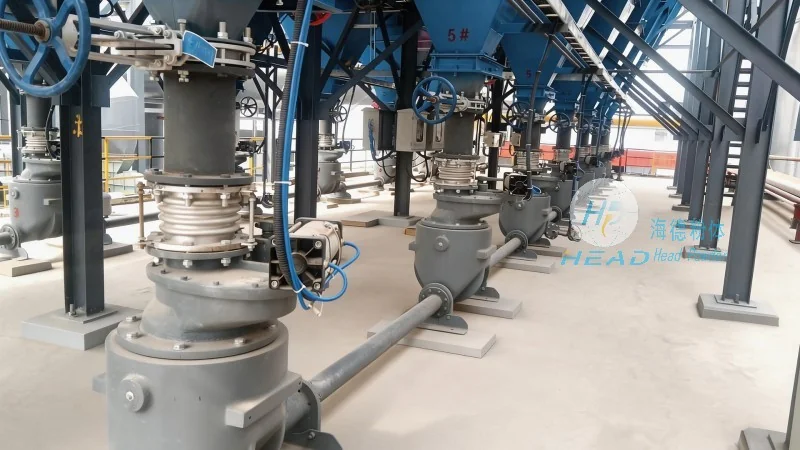
Hybrid Pneumatic Conveying Systems
Hybrid systems combine both pressure and vacuum principles to offer flexibility in material handling. These systems can switch between pressure and vacuum modes based on the operational needs, making them suitable for complex production lines. For aluminum battery production, hybrid systems are particularly useful in scenarios where both long-distance and short-distance conveying is required, such as in multi-stage manufacturing processes.
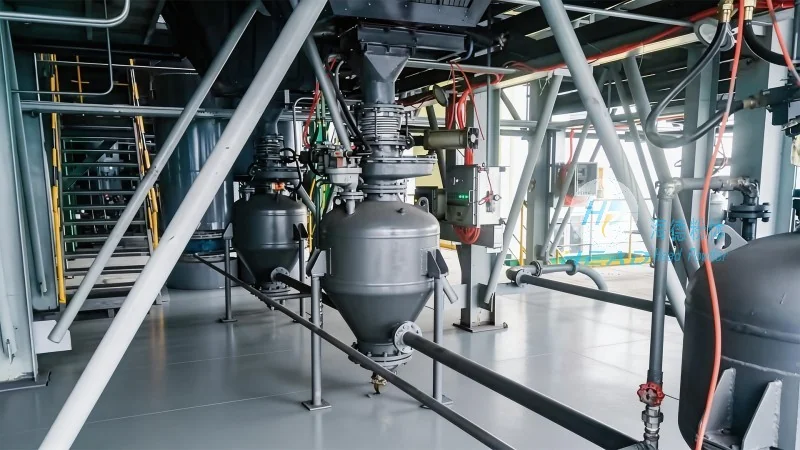
Key Components of Aluminum Battery Pneumatic Conveying Systems
Regardless of the system type, several key components are essential for the efficient operation of pneumatic conveying systems in aluminum battery manufacturing. These components include:
Air Compressors and Blowers
Compressors and blowers are responsible for generating the necessary air pressure or vacuum. For pressure systems, high-pressure air compressors are used, while vacuum systems rely on vacuum pumps or fans. The choice of equipment depends on the required pressure or vacuum level and the volume of material to be conveyed. High-efficiency, low-noise compressors are preferred to minimize energy consumption and operational noise.




