For industrial facilities dealing with sintered dust, the selection of an appropriate pneumatic conveying system is critical to ensure efficient material transport, minimize operational costs, and maintain environmental compliance. Two primary methods dominate the industry: positive pressure conveying and negative pressure conveying. This analysis delves into the technical aspects, advantages, and practical considerations of both approaches, providing a comprehensive comparison to aid in decision-making for sintered dust handling applications.
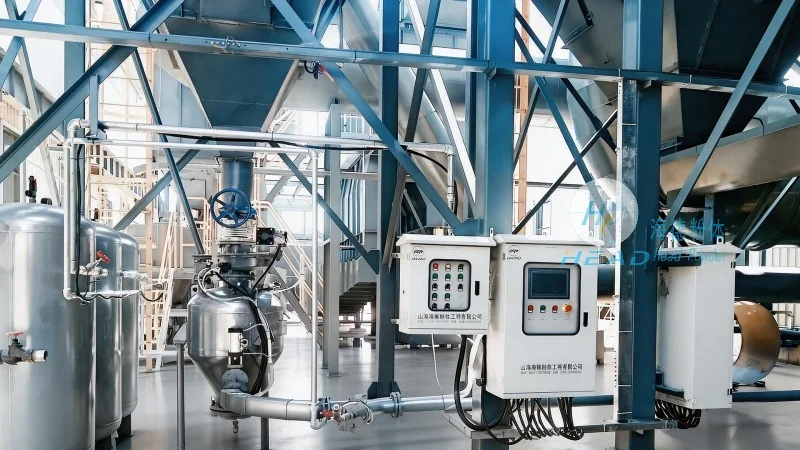
Introduction to Sintered Dust and Pneumatic Conveying
Sintered dust, a byproduct of the sintering process in steel and metallurgical industries, poses unique challenges for material handling due to its fine particle size, abrasive nature, and potential for dust explosions. Pneumatic conveying systems offer a solution by transporting these materials through a pipeline using air or gas as the medium. The choice between positive pressure and negative pressure systems depends on factors such as material properties, distance, system complexity, and operational requirements.
Positive Pressure Conveying: Advantages and Technical Principles
Positive pressure conveying, also known as pressure pneumatic conveying, operates by blowing air or gas into the conveying line under pressure, pushing the material forward. This method is particularly effective for transporting abrasive or corrosive materials over long distances, as it minimizes material degradation and reduces the risk of blockages. The system typically includes a positive displacement blower or compressor, a hopper for material storage, and a pipeline network. The pressure differential ensures that the material is continuously moved through the system, maintaining a consistent flow rate.
Key advantages of positive pressure conveying include high conveying capacity, ability to handle high concentrations of solids, and reduced risk of dust leakage compared to negative pressure systems. However, it requires more robust equipment and higher energy consumption, as the blower must generate sufficient pressure to overcome pipeline resistance and elevation changes. Additionally, the system may generate more noise and require regular maintenance of the pressure equipment.
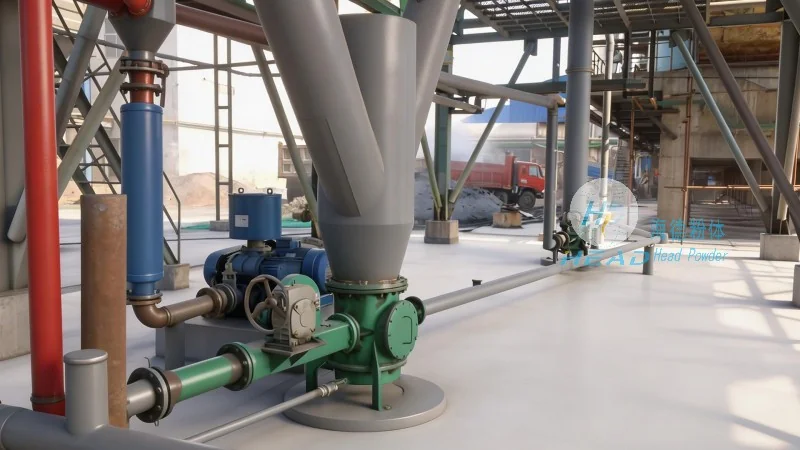
Negative Pressure Conveying: Advantages and Technical Principles
Negative pressure conveying, or vacuum pneumatic conveying, works by creating a vacuum in the conveying line, drawing material from the source into the system. This method is ideal for applications where the material source is located at a higher elevation or where dust containment is a priority. The system comprises a vacuum pump, a hopper, and a pipeline that connects to the material source. The vacuum pulls the material into the pipeline, ensuring that the material is transported without exposing the environment to dust.
Advantages of negative pressure conveying include lower energy consumption compared to positive pressure systems, as the vacuum pump operates at lower pressures. It is also suitable for handling materials that are sensitive to pressure or temperature changes, as the material is not subjected to high pressures. However, negative pressure systems are generally less efficient for long-distance or high-concentration conveying, as the vacuum may not be sufficient to maintain a consistent flow over extended distances. Additionally, they are more prone to dust leakage if the system is not properly sealed, posing environmental and safety risks.
Comparative Analysis: Key Factors to Consider
When selecting between positive and negative pressure conveying for sintered dust, several factors must be evaluated to determine the most suitable system. The primary considerations include the distance of material transport, the concentration of solids, the material's physical properties (e.g., particle size, moisture content), and the available space for equipment installation. For short distances and low material concentrations, negative pressure systems may be more cost-effective. Conversely, for long distances or high-concentration applications, positive pressure conveying is often preferred due to its higher efficiency and capacity.
Another critical factor is the environmental impact and safety considerations. Positive pressure systems are generally more enclosed, reducing the risk of dust exposure to personnel and the environment. However, they may require additional filtration and exhaust systems to comply with air quality regulations. Negative pressure systems, while effective at containing dust at the source, may require more extensive sealing and maintenance to prevent leaks. The choice also depends on the facility's existing infrastructure, as positive pressure systems may be integrated with existing high-pressure air systems, while negative pressure systems may require a dedicated vacuum pump.
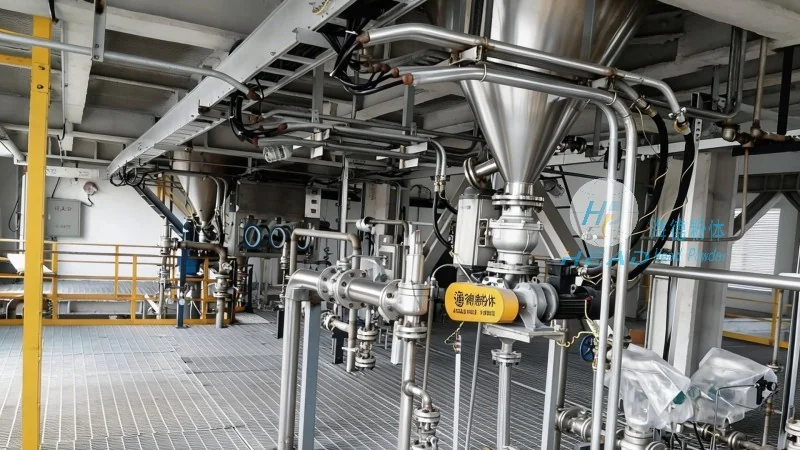
Application Scenarios and Practical Recommendations
Positive pressure conveying is commonly used in large-scale steel plants where sintered dust is transported over long distances to storage silos or processing facilities. The high capacity and reliability of positive pressure systems make them suitable for continuous operation, ensuring that material handling does not disrupt production schedules. For example, in a sinter plant with multiple sintering units, a positive pressure system can efficiently collect dust from each unit and transport it to a central storage area, reducing the need for manual handling and minimizing the risk of dust-related accidents.
Negative pressure conveying is often employed in smaller facilities or where the material source is elevated, such as in a sintering plant with a tall dust collection system. The lower energy consumption and ability to handle fine particles make it ideal for applications where dust containment is a top priority. For instance, in a recycling facility processing sintered dust, a negative pressure system can be used to transport the material from a hopper to a processing unit without exposing the environment to dust, ensuring compliance with environmental regulations.
Practical recommendations for selecting a system include conducting a thorough material analysis to determine the particle size distribution, moisture content, and abrasiveness of the sintered dust. This information is crucial for determining the appropriate pipeline diameter, air velocity, and equipment specifications. Additionally, considering the layout of the facility and the available space for equipment installation is essential, as both positive and negative pressure systems require adequate room for hoppers, blowers, and vacuum pumps. Consulting with a specialized engineering firm, such as Shandong HeadPowder Engineering Co., Ltd. (headpowder), can provide tailored solutions based on specific operational requirements and site conditions.




