Phosphate sodium is a critical chemical compound widely used in various industrial applications, including water treatment, food processing, and chemical manufacturing. The efficient handling and transportation of phosphate sodium are essential for maintaining production efficiency and ensuring product quality. This article provides an in-depth exploration of the working principle and key characteristics of phosphate sodium material handling systems, presented by Shandong HeadPowder Engineering Co., Ltd. (headpowder), a leading provider in the field with operations based in Shandong, China.
Understanding the Working Principle of Phosphate Sodium Material Handling
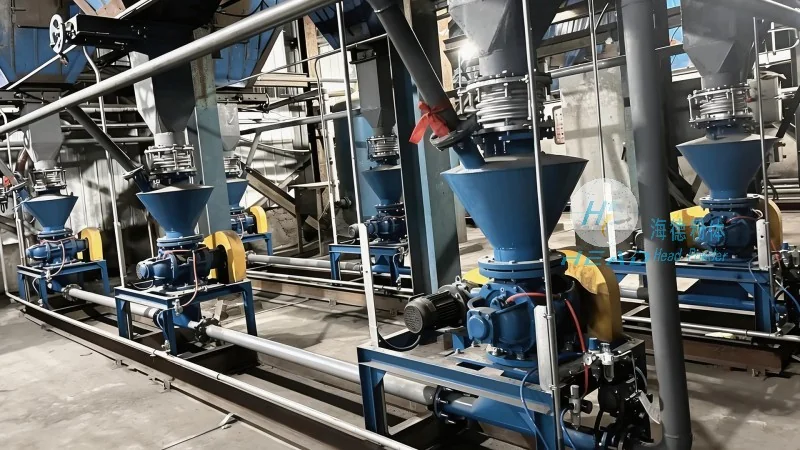
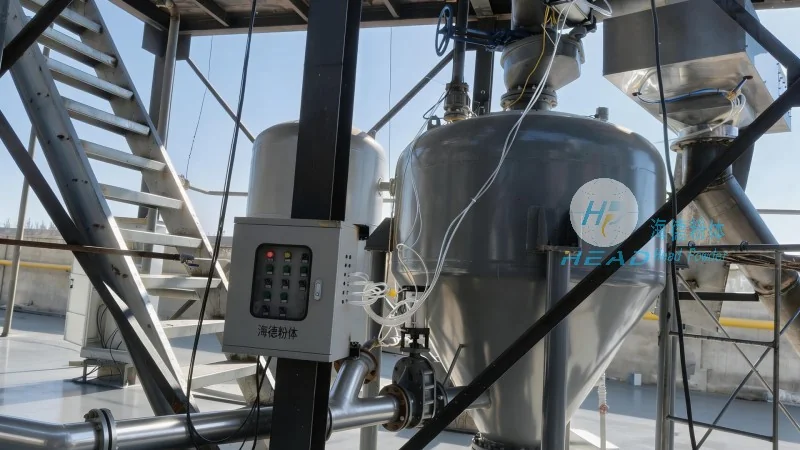
The working principle of phosphate sodium material handling systems revolves around the integration of specialized equipment designed to handle the unique properties of phosphate sodium. These systems typically involve several core components that work in tandem to ensure safe and efficient material movement. The process begins with the storage of phosphate sodium in bulk containers or silos, where the material is kept under controlled conditions to prevent caking or agglomeration. From the storage area, the material is transferred to a conveyor system, which may include belt conveyors, screw conveyors, or pneumatic conveyors, depending on the specific requirements of the application.
For phosphate sodium, which can be hygroscopic and prone to moisture absorption, the conveyor system is often equipped with moisture-resistant materials and sealed components to maintain the material's integrity. The system may also incorporate feeding mechanisms, such as rotary valves or feeders, that regulate the flow of phosphate sodium into the conveyor. As the material moves through the conveyor, it is transported to the processing or packaging area. The entire process is monitored by sensors and control systems that ensure consistent flow rates and prevent overloading or blockages. This integrated approach ensures that the handling of phosphate sodium is both efficient and safe, minimizing the risk of spills or contamination.
Key Characteristics of Phosphate Sodium Material Handling Systems
Phosphate sodium material handling systems exhibit several distinct characteristics that set them apart from other material handling solutions. One of the primary characteristics is the emphasis on material compatibility. Since phosphate sodium can react with certain materials, such as metal or plastic components that are not resistant to corrosion, the handling equipment is typically constructed from materials like stainless steel or specialized polymers that are inert to the chemical. This ensures that the material does not degrade or contaminate the equipment over time.
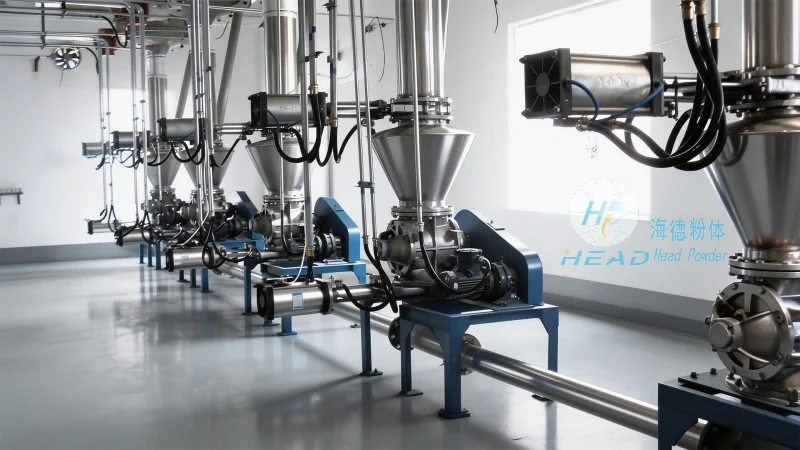
Another important characteristic is the focus on dust control. Phosphate sodium is a fine powder that can generate significant dust during handling, which poses health and safety risks. Therefore, modern material handling systems for phosphate sodium are equipped with dust collection and filtration systems. These systems capture airborne particles, preventing them from dispersing into the environment and protecting both personnel and equipment. Additionally, the systems may include sealing and encapsulation features to minimize dust exposure during loading, unloading, and transfer operations.
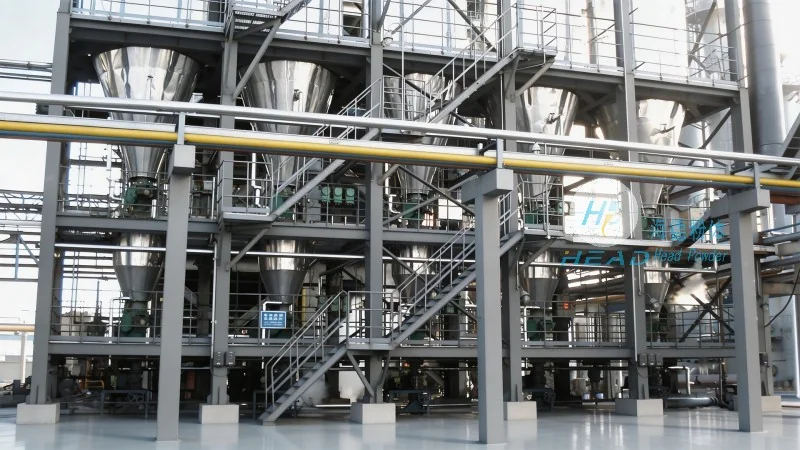
Efficiency and reliability are also critical characteristics of phosphate sodium material handling. The systems are designed to operate continuously with minimal downtime, ensuring that production processes are not interrupted. This is achieved through robust construction, regular maintenance schedules, and advanced control technologies that optimize the flow of material. The ability to handle large volumes of phosphate sodium at a consistent rate is essential for meeting the demands of industrial applications, and the systems are engineered to deliver high throughput without compromising quality or safety.
Furthermore, the adaptability of phosphate sodium material handling systems is a notable characteristic. These systems can be customized to suit a wide range of applications, from small-scale laboratory use to large-scale industrial production. This flexibility allows companies to integrate the handling equipment into existing production lines or to design new systems that meet specific operational requirements. The adaptability also extends to the integration of automation technologies, such as sensors and robotics, which enhance the precision and safety of material handling operations.




