Understanding the working principles and characteristics of sintered dust removal material conveying systems is crucial for optimizing industrial processes in the metallurgical and environmental sectors. This article provides a detailed overview of how these systems operate and the key attributes that define their effectiveness.
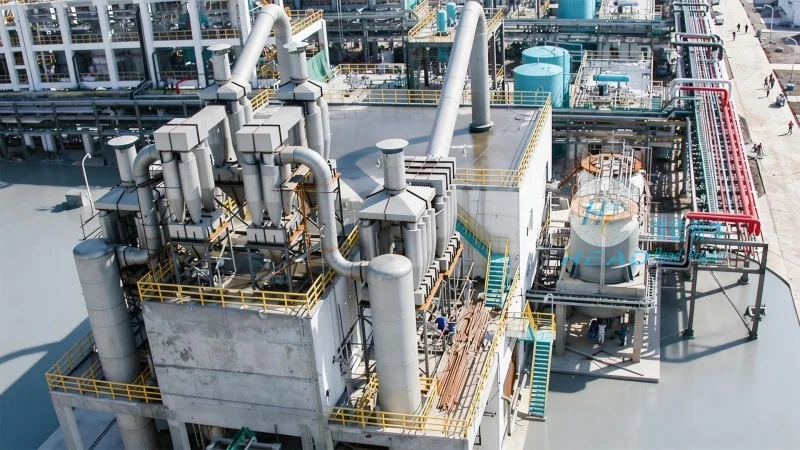
About Shandong HeadPowder Engineering Co., Ltd.
HeadPowder, a leading provider in the field of material handling and environmental engineering, specializes in the design, manufacturing, and installation of advanced conveying solutions. With a strong presence in China, particularly in Shandong province, the company has established itself as a trusted partner for industries seeking efficient and reliable systems for handling sintered dust and other fine materials.
The Working Principle of Sintered Dust Removal Material Conveying
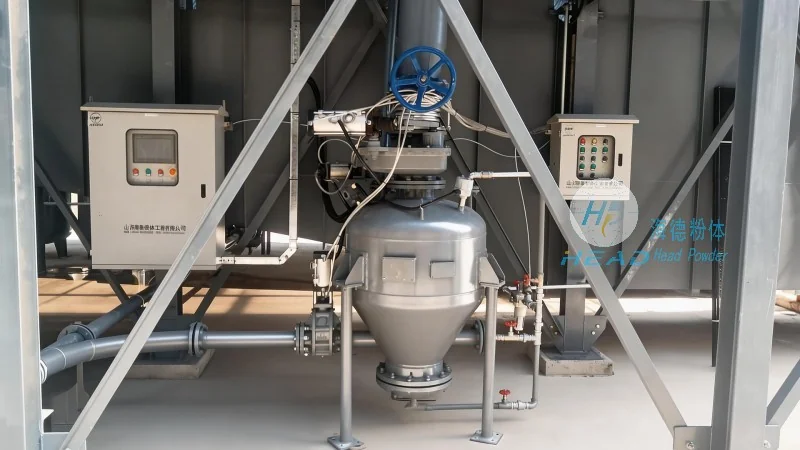
Sintered dust removal material conveying systems typically operate on the principle of mechanical transport, utilizing various components to move fine particles from one location to another. The process begins with the collection of sintered dust, which is often generated during sintering operations in steel production. This dust is then transferred through a network of pipes or hoses, propelled by positive or negative pressure systems. Key components include dust collectors, conveying ducts, and control valves that work in tandem to ensure a continuous and controlled flow of material.
Positive pressure systems, such as pneumatic conveying, use compressed air to push the dust through the system, while negative pressure systems, like vacuum conveying, draw the material using suction. The choice of system depends on factors like the dust characteristics, distance to be covered, and the required flow rate. In both cases, the conveying process is designed to minimize material loss and ensure compliance with environmental regulations.
Key Characteristics of Sintered Dust Removal Material Conveying Systems
Efficiency and reliability are paramount in sintered dust removal material conveying systems. These systems are engineered to handle fine, abrasive materials without causing excessive wear or blockages. Advanced materials and coatings are used for the conveying components to withstand the harsh conditions of sintered dust, which often contains high levels of silica and other abrasive particles.
Another critical characteristic is the ability to maintain a clean and safe working environment. By effectively capturing and transporting dust, these systems reduce the risk of respiratory hazards and contamination in the workplace. This not only enhances worker safety but also helps in maintaining product quality by preventing dust contamination in downstream processes.
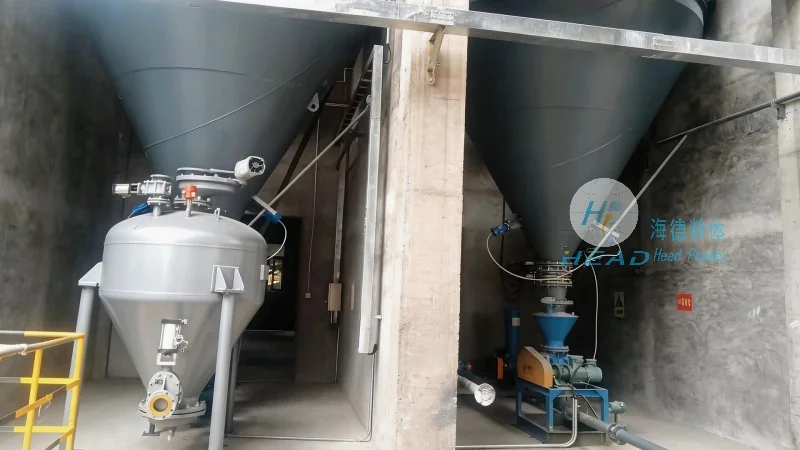
Furthermore, modern sintered dust removal material conveying systems are equipped with advanced control and monitoring features. These include real-time flow monitoring, pressure sensors, and automated shut-off mechanisms that ensure the system operates within optimal parameters. Such features contribute to energy efficiency and reduce operational costs over time.
Applications and Industry Impact
Sintered dust removal material conveying systems are widely used in the steel industry, where sintering is a critical step in preparing iron ore for smelting. The systems help in recycling the sintered dust, which can be reprocessed or used as a raw material in other industrial applications. This not only reduces waste but also contributes to sustainable manufacturing practices.
In addition to steel production, these systems are also applied in other industries such as cement, power generation, and chemical processing, where fine material handling is required. The versatility of the systems makes them suitable for a variety of applications, from small-scale operations to large industrial plants.




