Understanding the working principle and characteristics of sintered dust material conveying is crucial for optimizing material handling processes in industrial applications. This article provides a detailed overview of the mechanisms involved and the key attributes that define effective dust material transport systems, presented by Shandong HeadPowder Engineering Co., Ltd., a leading provider of advanced material handling solutions.
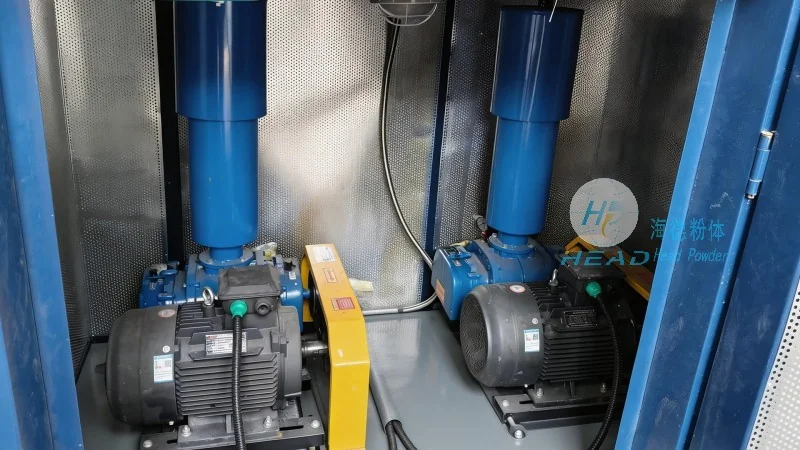
Introduction to Sintered Dust Material Conveying
Sintered dust, often generated in processes like sintering, is a fine particulate material that requires specialized handling due to its abrasive nature and potential health hazards. Efficient conveying of this material is essential to maintain production efficiency and ensure environmental compliance. The systems designed for sintered dust transport typically integrate advanced engineering solutions to address the unique challenges posed by such materials, as offered by Shandong HeadPowder Engineering Co., Ltd.
Working Principle of Sintered Dust Material Conveying Systems
The core working principle of sintered dust material conveying involves the movement of fine particles through a conveying medium, such as air or a combination of air and mechanical components. Common methods include pneumatic conveying, where air is used to transport dust particles in a pipeline, and mechanical conveying, which utilizes belts, screws, or other mechanical devices to move the material. In pneumatic systems, the dust is suspended in a stream of air and directed through a network of pipes to the destination point. This method is particularly effective for handling fine, dry dust with low moisture content. Mechanical systems, on the other hand, are often preferred for bulkier or more abrasive materials, where the mechanical force of the conveying device provides reliable transport without the need for compressed air.
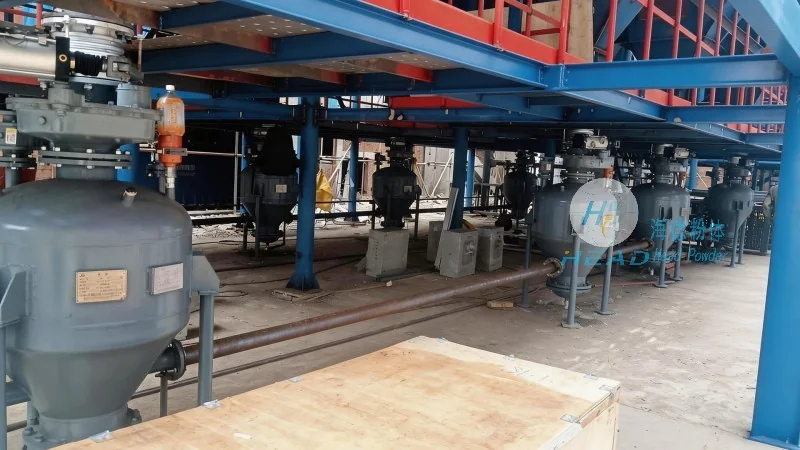
Key Components and Their Functions
Effective sintered dust conveying systems consist of several critical components, each playing a vital role in the overall operation. The primary components include the material feed system, conveying medium (air or mechanical force), transport lines (pipes or belts), and the discharge or collection equipment. The material feed system ensures a consistent and controlled introduction of the sintered dust into the conveying path, preventing blockages and maintaining flow stability. The conveying medium, whether air or mechanical, provides the necessary force to move the particles through the system. Transport lines are designed to withstand the abrasive nature of the dust, often using materials like stainless steel or special coatings to extend service life. Finally, the discharge or collection equipment safely removes the material from the system, preventing dust emissions and ensuring proper material handling.
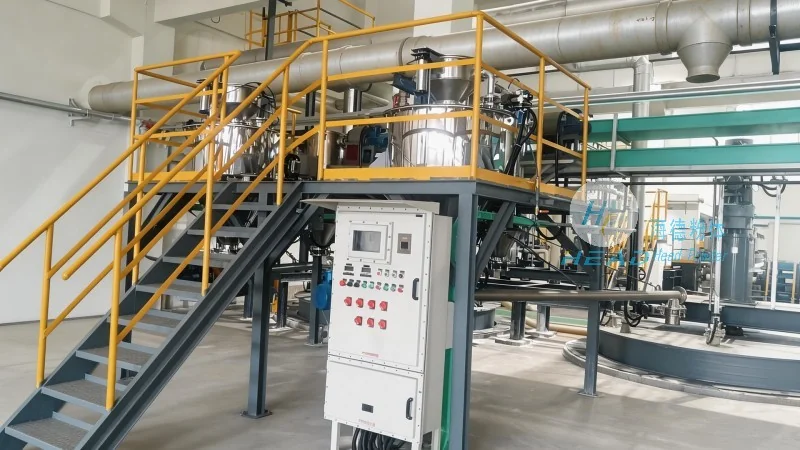
Characteristics of Sintered Dust Material Conveying Systems
Several key characteristics define the performance and suitability of sintered dust conveying systems. One of the most notable characteristics is the high efficiency in material transport, as these systems can move large volumes of fine dust with minimal energy consumption. The systems are also designed for durability, as they are built to handle the abrasive and corrosive properties of sintered dust, reducing maintenance needs and extending operational life. Additionally, modern conveying systems incorporate features for environmental protection, such as dust collection and filtration, to minimize air pollution and comply with regulatory standards. The adaptability of these systems to various material types and process requirements is another important characteristic, allowing them to be integrated into diverse industrial applications. Finally, the systems are engineered for safety, incorporating measures to prevent dust explosions and ensure operator protection.
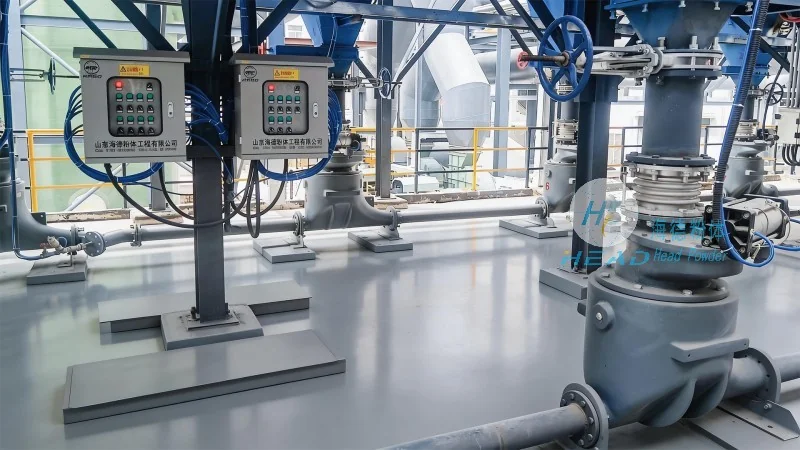
Application Scenarios and Benefits
Sintered dust material conveying systems are widely used in various industrial sectors, including steel production, mining, and chemical processing. In steel plants, for example, sintered dust is transported from the sintering machine to storage or further processing units, ensuring a continuous supply of raw materials. The benefits of using these systems in such applications include improved production efficiency, reduced downtime due to material handling issues, and enhanced safety through proper dust management. In mining operations, the conveying of sintered dust from ore processing facilities to storage or transport vehicles is critical for maintaining operational flow. The systems also contribute to cost savings by minimizing material loss and reducing the need for manual handling of hazardous dust. Overall, the adoption of advanced sintered dust conveying systems provides significant advantages in terms of operational performance, environmental compliance, and worker safety.
Conclusion
In conclusion, the working principle and characteristics of sintered dust material conveying systems are essential for optimizing material handling in industrial settings. By understanding the mechanisms involved and the key attributes of these systems, industries can select and implement the most suitable solutions to meet their specific needs. The integration of advanced engineering and material handling technologies ensures that sintered dust is transported efficiently, safely, and in compliance with environmental regulations. As industrial processes continue to evolve, the importance of reliable and effective sintered dust conveying systems will remain a critical factor in maintaining operational efficiency and sustainability, supported by the expertise of Shandong HeadPowder Engineering Co., Ltd.




