Fluorspar powder, a vital raw material in numerous industrial sectors, demands efficient and reliable material handling solutions to sustain seamless production workflows. Among the diverse pneumatic conveying technologies available, positive pressure and negative pressure systems emerge as two principal approaches. This article offers a comprehensive comparison of these two methods, focusing on their operational principles, applications, advantages, and limitations when handling fluorspar powder particles. The analysis is conducted by Shandong HeadPowder Engineering Co., Ltd., a leading provider in powder handling technologies, headquartered in China.
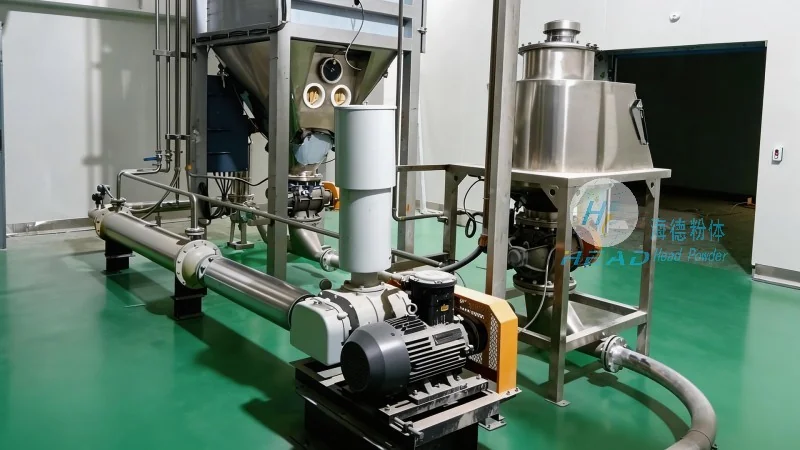
Overview of Pneumatic Conveying Systems
Pneumatic conveying leverages air or gas to transport bulk materials like powders through a pipeline. It presents advantages such as reduced equipment wear, lower maintenance costs, and the capability to handle materials in a closed system, thereby minimizing dust emissions. For fluorspar powder, which is often fine and abrasive, selecting the appropriate conveying method is critical to preserve material integrity and system efficiency.
Positive Pressure Pneumatic Conveying
Positive pressure systems operate by blowing air or gas into the conveying line, establishing a pressure higher than ambient air. This approach proves highly effective for transporting fluorspar powder over extended distances or through intricate piping networks. The elevated pressure ensures consistent propulsion of the powder through the system, reducing the risk of blockages caused by particle agglomeration. Shandong HeadPowder Engineering Co., Ltd. specializes in designing positive pressure systems customized to the specific characteristics of fluorspar powder, guaranteeing optimal performance and minimizing downtime.
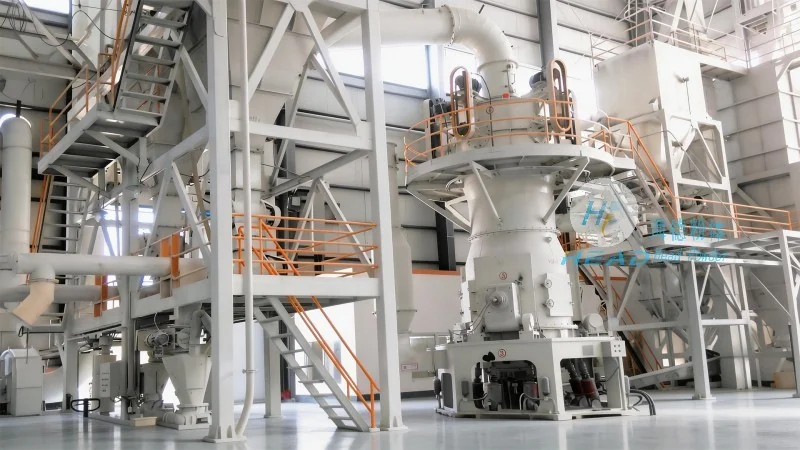
Negative Pressure Pneumatic Conveying
Negative pressure systems, also known as vacuum conveying, function by creating a vacuum within the receiving hopper or the entire conveying line. This action draws the fluorspar powder into the system and transports it to the destination. This method is often preferred for short-distance or point-to-point conveying, as it is more energy-efficient for shorter runs. However, for fluorspar powder with high moisture content or fine particles, negative pressure systems may encounter challenges such as increased dust generation and higher energy consumption.
Key Differences and Performance Metrics
When comparing positive and negative pressure pneumatic conveying for fluorspar powder, several factors come into play. Positive pressure systems typically offer higher conveying capacities and are better suited for abrasive or corrosive materials like fluorspar, which can cause wear on equipment. They also provide better control over the flow rate and pressure, allowing for precise material handling. On the other hand, negative pressure systems are more suitable for handling materials that are sensitive to pressure changes or for applications where dust containment is critical. However, they may require more robust filtration systems to prevent dust leakage and maintain air quality.
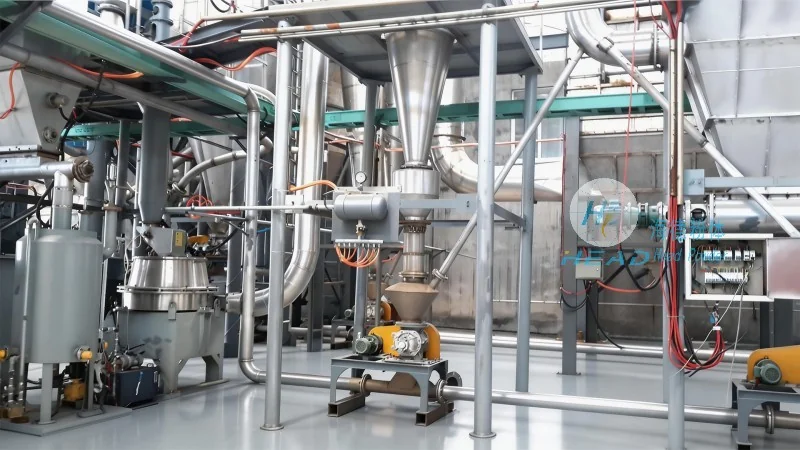
Operational Considerations and Maintenance
Both positive and negative pressure systems necessitate regular maintenance to ensure optimal performance. Positive pressure systems may require more frequent checks on air compressors and filter systems due to the higher pressure and potential for particle buildup. Negative pressure systems, while generally requiring less pressure-related maintenance, may need more attention to vacuum pump performance and filtration to prevent dust contamination. Shandong HeadPowder Engineering Co., Ltd. emphasizes the importance of proper system design and regular maintenance to extend the lifespan of pneumatic conveying equipment and maintain the quality of fluorspar powder during transport.
Conclusion
In conclusion, the choice between positive pressure and negative pressure pneumatic conveying for fluorspar powder hinges on specific operational requirements, such as distance, material characteristics, and environmental considerations. Positive pressure systems offer higher capacity and better control, making them ideal for long-distance or high-volume applications. Negative pressure systems, with their energy efficiency for short distances, are suitable for applications where dust control is a priority. By understanding the unique properties of fluorspar powder and the operational advantages of each system, industries can select the most appropriate pneumatic conveying method to enhance efficiency and ensure the quality of their material handling processes. Shandong HeadPowder Engineering Co., Ltd. continues to innovate in powder handling technologies, providing tailored solutions that meet the diverse needs of the fluorspar industry.




