Intelligent unpacking material handling systems have emerged as a pivotal technology in modern industrial operations, revolutionizing the way materials are processed and transported from bulk packaging to individual units. These systems are designed to address the challenges of manual material handling, such as labor-intensive processes, high error rates, and limited scalability. By integrating cutting-edge technologies like automation, artificial intelligence, and machine vision, these systems offer a comprehensive solution that enhances efficiency, reduces costs, and improves product quality across various sectors, including manufacturing, logistics, and warehousing. The primary goal of an intelligent unpacking system is to streamline the material flow, ensuring that raw materials or finished products move seamlessly from one stage of production to the next, while minimizing delays and operational disruptions.
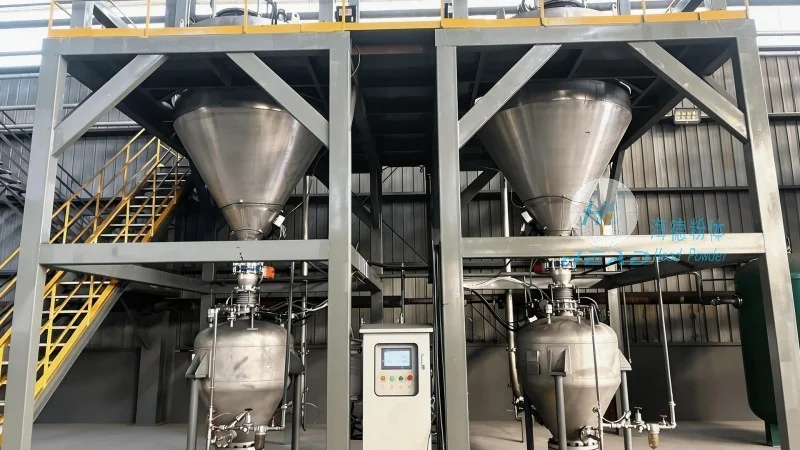
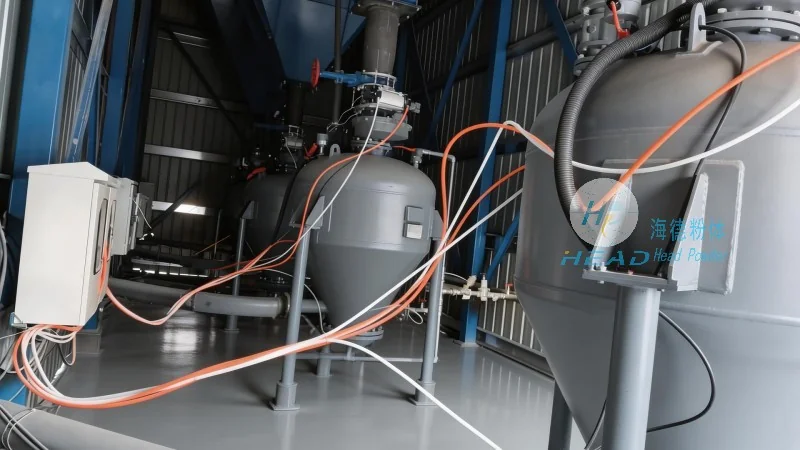
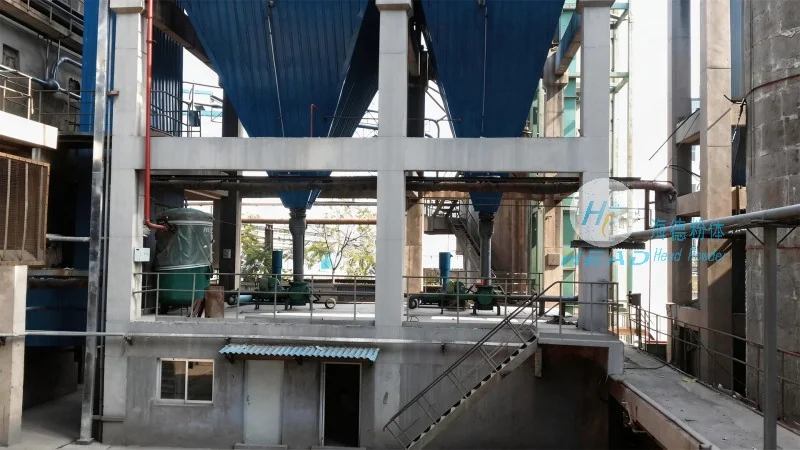
Working Principle of the Intelligent Unpacking Material Handling System
The operational principle of an intelligent unpacking material handling system involves a systematic sequence of steps that transform packaged materials into manageable units. The process begins with the arrival of bulk packages at the system's input point, where they are fed into a conveyor or automated loading station. Advanced sensors, including cameras and weight sensors, are used to identify and verify the characteristics of each package, such as its dimensions, weight, and content. This initial verification step ensures that only valid packages proceed to the unpacking stage, preventing errors and waste. Once verified, the system utilizes robotic arms or mechanical grippers to open the packaging, which may include plastic bags, cardboard boxes, or other types of containers. The robotic arms are equipped with precision tools that can handle various packaging materials, ensuring that the items inside are extracted without damage. After the items are removed from the packaging, they are sorted according to predefined criteria, such as size, shape, or product type, using additional conveyor belts and sorting mechanisms. The sorted items are then transferred to a secondary conveyor or storage system, where they are prepared for further processing or distribution. Throughout the process, a centralized control system monitors all operations, adjusts parameters in real-time, and provides data for performance analysis and quality control. This integrated approach ensures that the system operates with high accuracy, reliability, and efficiency, adapting to changes in production volume or material characteristics.
Key Features of the Intelligent Unpacking Material Handling System
Several key features distinguish an intelligent unpacking material handling system from conventional solutions, making it a preferred choice for modern industrial applications. Firstly, the system incorporates high levels of automation, reducing the need for manual labor and minimizing human error. Robotic arms and automated sorting mechanisms handle the majority of tasks, from opening packages to sorting items, ensuring consistent performance and reliability. Secondly, the integration of advanced sensors and machine vision enables real-time monitoring and quality control. Cameras and sensors detect defects or incorrect items, allowing the system to reject them and prevent them from entering the next stage of production. This feature enhances product quality and reduces waste, which is crucial for maintaining customer satisfaction and compliance with industry standards. Thirdly, the system is designed with modularity and scalability, allowing it to adapt to changing production demands. The modular design enables easy integration of new components or expansion of the system's capacity, making it suitable for both small-scale and large-scale operations. This flexibility is particularly valuable for businesses that experience fluctuations in production volume or need to accommodate new product lines. Additionally, the system features a user-friendly interface and remote monitoring capabilities, enabling operators to manage and control the system from a central location. This not only improves operational efficiency but also provides valuable data for performance analysis and continuous improvement. Finally, the system is built with durability and low maintenance in mind, using high-quality components and robust construction to ensure long-term operation and minimal downtime. This reduces the total cost of ownership and enhances the system's reliability over time.




