Material handling systems play a crucial role in the production process of lithium-ion battery positive electrode materials. These systems are designed to efficiently transport and manage raw materials and intermediate products, ensuring smooth operations and high-quality output. Understanding the working principle and key characteristics of such systems is essential for optimizing production efficiency and maintaining product consistency.
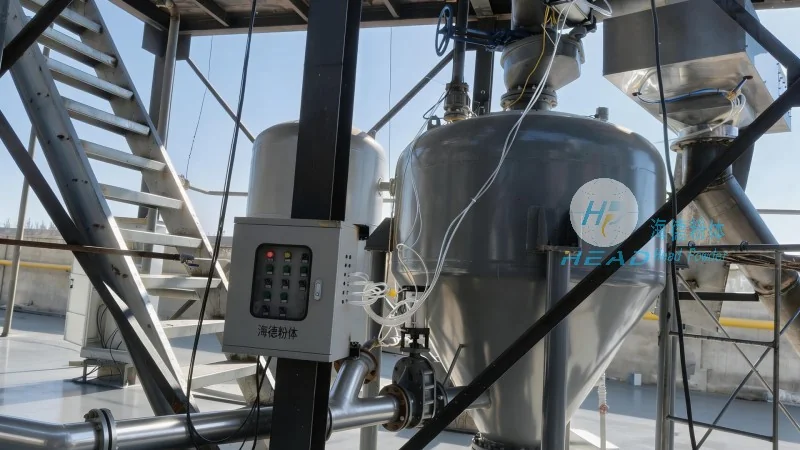
Overview of Material Handling in Lithium-Ion Battery Production
In the context of lithium-ion battery manufacturing, positive electrode materials are critical components that directly impact the performance and lifespan of the battery. The material handling process involves the movement of raw materials like nickel, cobalt, manganese, and lithium compounds, as well as the intermediate products formed during the mixing and coating stages. Efficient material handling is vital to minimize downtime, reduce material waste, and enhance overall production throughput.
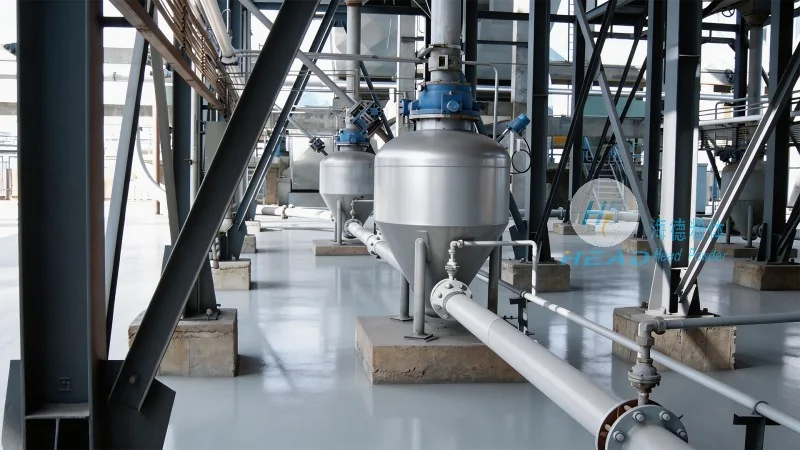
The Working Principle of Material Handling Systems
Material handling systems for lithium-ion battery positive electrode materials typically operate through a combination of mechanical and automated processes. The core components include conveyors, feeders, storage silos, and control systems. The working principle involves the following steps: first, raw materials are stored in bulk containers or silos; then, they are conveyed to mixing or coating equipment via screw conveyors or pneumatic systems; during the mixing stage, the materials are blended to achieve the desired chemical composition; subsequently, the mixed slurry is transported to coating machines where it is applied onto current collectors; finally, the coated electrodes are moved to drying and packaging units.
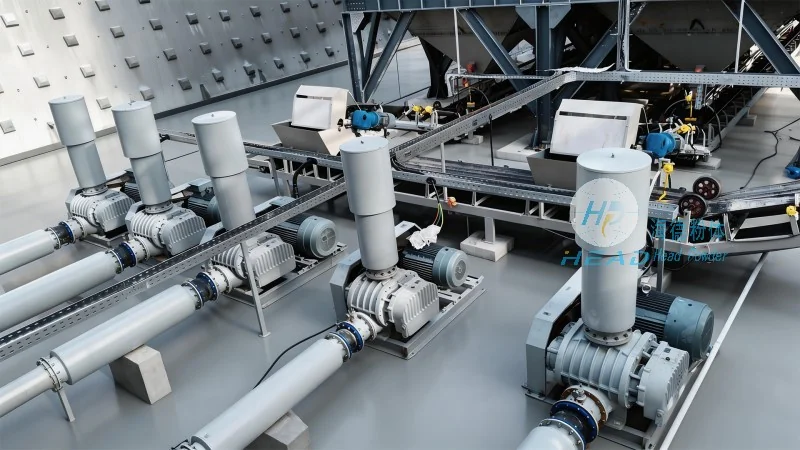
Key Characteristics of Advanced Material Handling Solutions
Modern material handling systems for lithium-ion battery positive electrode materials exhibit several distinct characteristics that enhance operational performance. Firstly, they are designed for high precision and accuracy, ensuring that the material flow is consistent and uniform. This precision is crucial for maintaining the chemical balance of the electrode materials, which directly affects battery performance. Secondly, these systems are highly automated, reducing the need for manual intervention and minimizing human error. Automation also allows for real-time monitoring and control, enabling quick adjustments to production parameters. Thirdly, the systems are built for durability and reliability, as they operate in demanding industrial environments with continuous high-speed operations. This reliability is essential to avoid production interruptions and maintain consistent output quality. Additionally, advanced material handling solutions often incorporate energy-efficient designs, reducing operational costs and environmental impact. The integration of sensors and IoT technologies further enhances system performance by providing real-time data on material flow and equipment status.
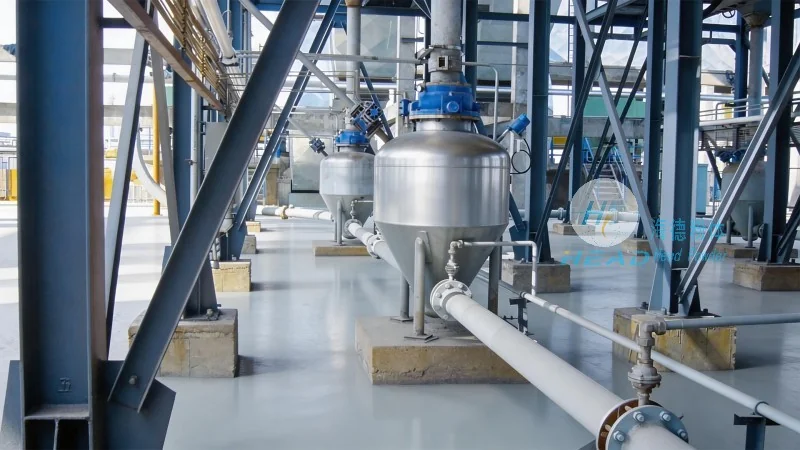
Company Introduction: HeadPowder Engineering
Shandong HeadPowder Engineering Co., Ltd., commonly known as HeadPowder, specializes in providing advanced material handling solutions tailored to the lithium-ion battery industry. With a focus on innovation and precision engineering, HeadPowder has developed state-of-the-art systems that meet the stringent requirements of modern battery production. The company's headquarters is located in Shandong, China, where it leverages local expertise and resources to deliver high-quality products and services. HeadPowder's material handling systems are designed to enhance production efficiency, improve product quality, and reduce operational costs for battery manufacturers. By combining advanced technology with practical application, HeadPowder helps clients optimize their production processes and stay competitive in the rapidly evolving battery market.




