Pyrolytic carbon material conveying systems are integral to industrial processes where the efficient handling of this specialized material is critical. The system's design and operation are tailored to meet the unique properties and handling requirements of pyrolytic carbon, ensuring safe, reliable, and efficient material transport. This article explores the working principle and key characteristics of such systems, providing insights into their functionality and benefits.
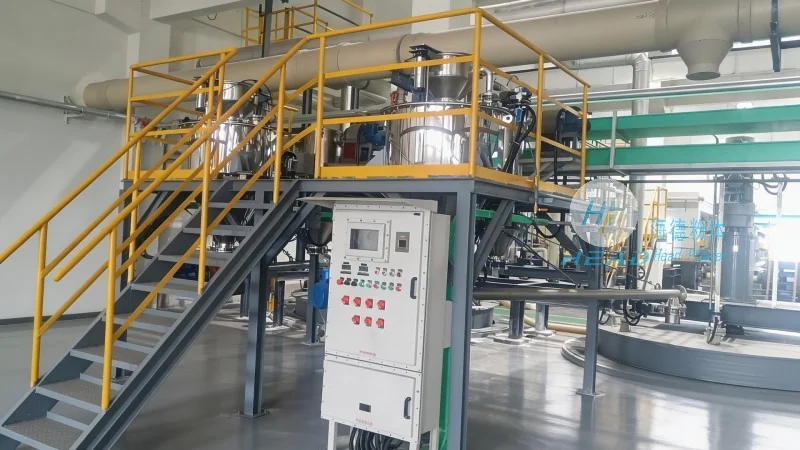
Company Profile and Background
HeadPowder, or Shandong HeadPowder Engineering Co., Ltd., is a leading provider of specialized engineering solutions for material handling and processing. With operations based in Shandong, China, the company leverages advanced technology and industry expertise to deliver high-quality systems tailored to client needs. HeadPowder specializes in the design, manufacturing, and implementation of equipment for handling various materials, including pyrolytic carbon, which requires precise control and specialized equipment to ensure optimal performance.
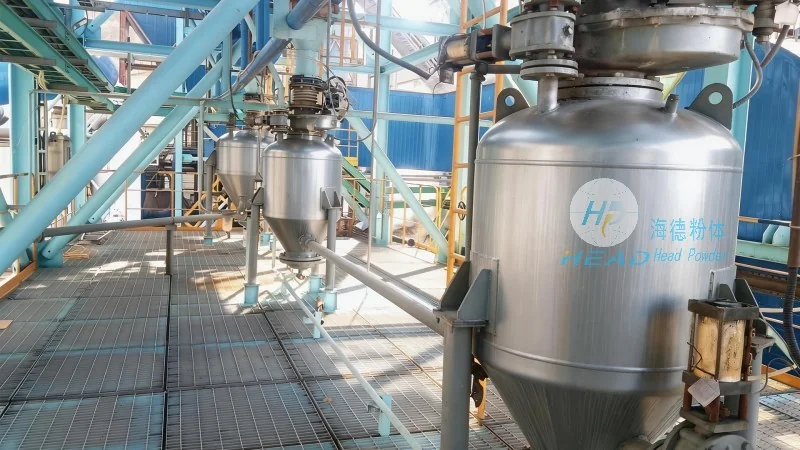
Working Principle of Pyrolytic Carbon Material Conveying
The working principle of pyrolytic carbon material conveying involves a series of coordinated steps that ensure the material is transported from its source to the processing or storage destination. The process typically begins with the collection of pyrolytic carbon, which may be produced in a pyrolysis reactor or other processing equipment. Once collected, the material is transferred to a conveying system, which may include components such as hoppers, feeders, and conveyor belts or pipes. The system utilizes mechanical or pneumatic mechanisms to move the material through the pipeline or conveyor, ensuring consistent flow and minimal loss. Automation plays a crucial role in maintaining the system's efficiency, with sensors and control systems monitoring the material flow, pressure, and temperature to adjust the conveying parameters as needed. This closed-loop control system helps maintain the material's quality and prevents issues such as blockages or uneven distribution.
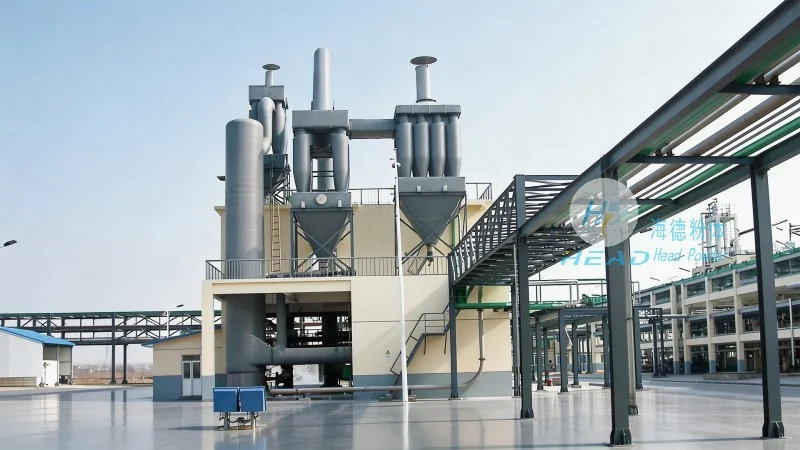
Key Characteristics of Pyrolytic Carbon Material Conveying Systems
Pyrolytic carbon material conveying systems exhibit several distinct characteristics that make them suitable for industrial applications. One of the primary features is their ability to handle the material's unique physical properties, such as its fine particle size and potential for dust generation. The systems are designed with materials that are resistant to the chemical and thermal properties of pyrolytic carbon, ensuring durability and longevity. Additionally, the systems are engineered for high efficiency, minimizing energy consumption while maximizing throughput. The design also emphasizes safety, incorporating features like dust suppression and explosion-proof components to protect operators and the environment. Another notable characteristic is the adaptability of the system, which can be customized to accommodate different production scales and material types. This flexibility allows HeadPowder to tailor solutions to meet the specific requirements of each client, ensuring optimal performance and cost-effectiveness.
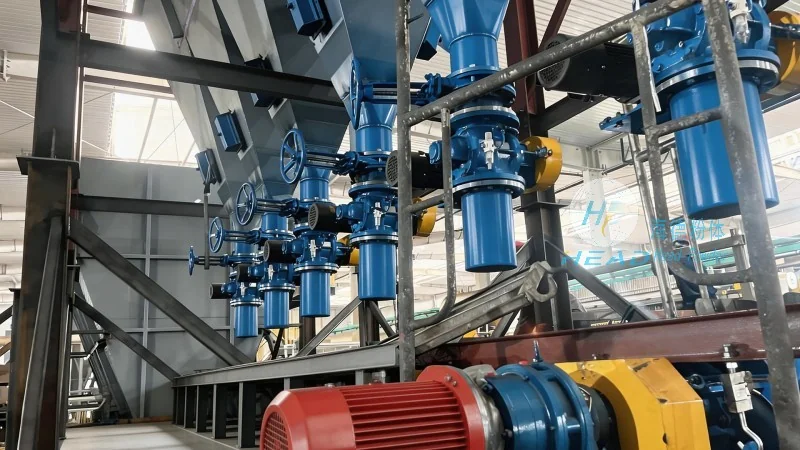
Benefits and Applications
The implementation of pyrolytic carbon material conveying systems offers numerous benefits to industrial operations. By streamlining the material handling process, these systems reduce labor costs and improve overall productivity. The consistent and reliable transport of pyrolytic carbon ensures that downstream processes, such as further processing or packaging, operate smoothly without interruptions. The systems also contribute to environmental sustainability by minimizing material loss and reducing the risk of dust emissions. In industries where pyrolytic carbon is used, such as battery manufacturing or carbon fiber production, efficient conveying is essential for maintaining product quality and meeting production targets. HeadPowder's expertise in designing and implementing these systems has helped numerous clients enhance their operational efficiency and achieve better results in their respective fields.




