Feed material conveying systems are essential in various industries, particularly in the agricultural and animal feed sectors. These systems are designed to efficiently transport bulk materials such as grains, pellets, and other feed ingredients from one location to another. Understanding the working principles and key characteristics of these systems is crucial for optimizing operations and ensuring reliable performance.
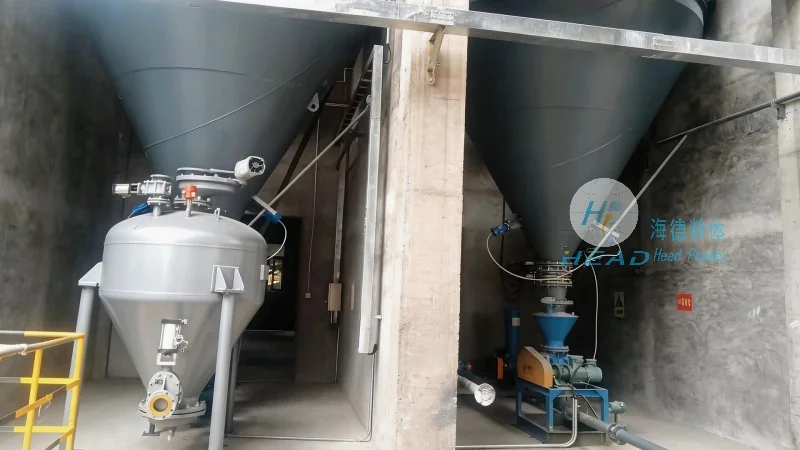
Introduction to Feed Material Conveying
Shandong HeadPowder Engineering Co., Ltd., a leading manufacturer based in China, specializes in the design, development, and implementation of advanced feed material conveying solutions. With a strong commitment to quality and innovation, the company has established itself as a trusted partner for businesses seeking efficient and reliable material handling systems. The following sections will explore the fundamental working principles and notable characteristics of feed material conveying systems, providing insights into how these technologies enhance operational efficiency.
The Working Principles of Feed Material Conveying
Feed material conveying systems operate based on several core principles that ensure smooth and continuous material movement. The primary components of these systems typically include a feeding mechanism, a conveying device (such as a belt conveyor, screw conveyor, or pneumatic conveyor), and a control system. The feeding mechanism is responsible for collecting and preparing the feed material, while the conveying device transports it to the desired destination. The control system monitors and regulates the entire process, ensuring optimal performance and preventing issues like blockages or overloading.
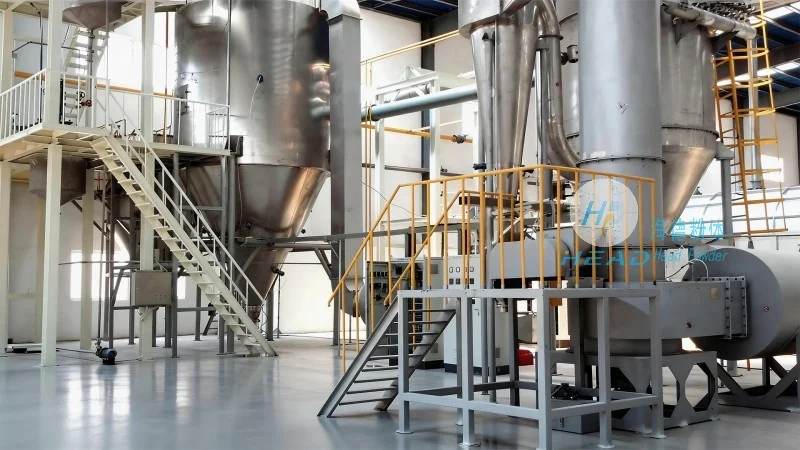
Belt conveyors, for instance, utilize a continuous loop of material (often rubber or PVC) that moves over rollers or pulleys. The feed material is placed on the belt at one end, and the motor-driven pulley pulls the belt, transporting the material to the discharge point. Screw conveyors, on the other hand, employ a rotating screw (or auger) inside a tube to push material forward. This method is particularly effective for handling granular or powdery materials and can operate in both horizontal and inclined orientations. Pneumatic conveyors use air pressure to move material through a pipeline, making them suitable for dusty or fine materials that require minimal contact with equipment.
Key Characteristics of Feed Material Conveying Systems
Several characteristics define the performance and suitability of feed material conveying systems. One of the most significant is efficiency, as these systems are engineered to minimize downtime and maximize throughput. The design of the conveying equipment, including the speed of the belt or screw and the size of the conveyor, directly impacts the rate at which material is transported. Additionally, reliability is a critical factor, as feed material handling systems often operate continuously in industrial settings. High-quality materials and robust construction help ensure long service life and minimal maintenance requirements.
Another important characteristic is adaptability. Modern feed material conveying systems are designed to handle a wide range of feed materials, from dry grains to wet or sticky pellets. This versatility allows businesses to integrate the systems into existing production lines without significant modifications. The ability to adjust conveyor speed, direction, or capacity based on operational needs further enhances adaptability. Furthermore, energy efficiency is a growing consideration, as companies seek to reduce operational costs and environmental impact. Advanced systems incorporate energy-saving features, such as variable speed drives and optimized motor designs, to minimize power consumption while maintaining performance.
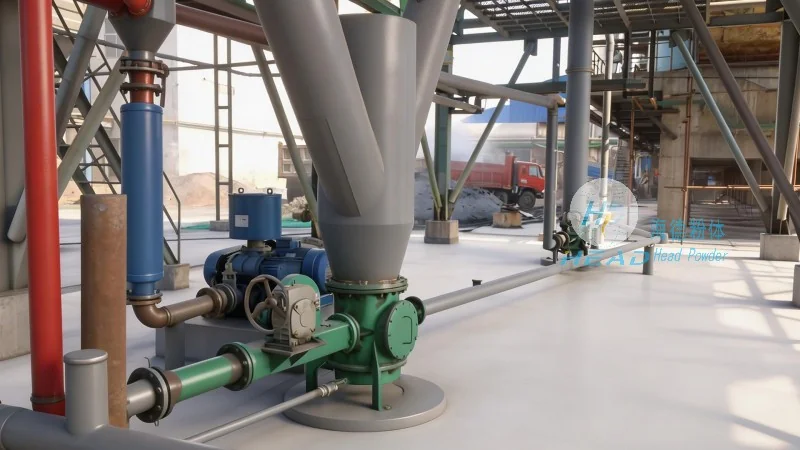
Applications and Benefits in the Feed Industry
The working principles and characteristics of feed material conveying systems translate into numerous benefits for the feed industry. Efficient material handling reduces labor costs and speeds up production processes, allowing manufacturers to meet market demands more effectively. The reliability of these systems minimizes production interruptions, which is crucial for maintaining consistent product quality and customer satisfaction. Moreover, the adaptability of the systems enables feed producers to handle diverse feed formulations, supporting innovation in animal nutrition and feed technology.
For businesses operating in the feed sector, investing in advanced feed material conveying solutions from companies like Shandong HeadPowder Engineering Co., Ltd. can lead to improved operational performance and competitive advantages. By understanding the working principles and key characteristics of these systems, stakeholders can make informed decisions about equipment selection and implementation, ensuring that their material handling processes are optimized for efficiency, reliability, and sustainability.




