When it comes to transporting rice husk powder, the choice between positive pressure and negative pressure pneumatic conveying systems is a critical decision for industrial operations. Both methods leverage air to move material, but they operate on fundamentally different principles, each with its own set of advantages and limitations. This analysis aims to provide a comprehensive comparison of these two approaches, helping industry professionals select the most suitable conveying solution for their specific needs.
Understanding Pneumatic Conveying Systems
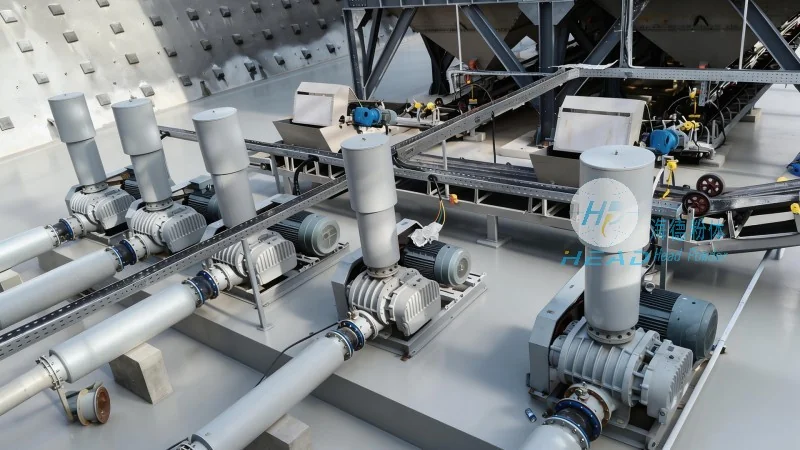
Pneumatic conveying is a technology used to transport bulk materials through a pipeline using air or other gases. It is widely applied in various industries, including food processing, chemical manufacturing, and biomass handling. The core of this technology lies in the ability to move materials without mechanical contact, which reduces wear and tear on equipment and improves material quality. However, the effectiveness of pneumatic conveying depends heavily on the system design, particularly whether it operates under positive or negative pressure.
Positive Pressure Conveying: How It Works
Positive pressure conveying, also known as pressure pneumatic conveying, involves generating air pressure within the conveying line to move material. In this system, a blower or compressor supplies compressed air, which pushes the material through the pipeline. The air is typically introduced at the inlet of the conveying line, and the material is carried along by the moving air stream. This method is particularly effective for short to medium distance conveying and for handling materials that are prone to clogging or are sensitive to moisture.
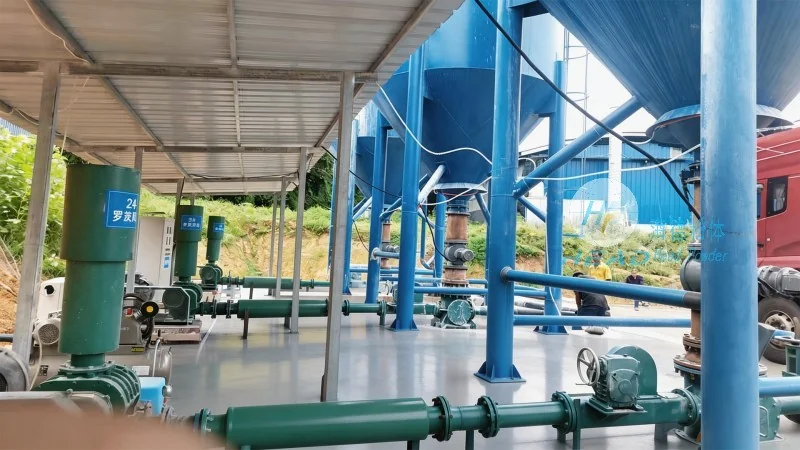
A key advantage of positive pressure systems is their ability to handle abrasive or sticky materials without significant wear on the equipment. The high pressure also ensures that the material is fully enclosed within the pipeline, minimizing dust emissions and improving safety. However, these systems require more energy to operate due to the constant compression of air, and they may be less efficient for long-distance conveying as the pressure drops along the pipeline.
Negative Pressure Conveying: The Alternative Approach
Negative pressure conveying, or vacuum pneumatic conveying, operates by creating a vacuum at the inlet of the conveying line. The vacuum draws material from the source into the pipeline, where it is then carried by the air stream to the destination. This method is often used for longer distances and for materials that are light or have a high dust content, as the vacuum helps to maintain material flow.
One of the main benefits of negative pressure systems is their lower energy consumption compared to positive pressure systems, especially for long-distance conveying. The vacuum is generated by a fan or vacuum pump, which draws air from the system, creating a pressure differential that pulls material in. However, negative pressure systems are more susceptible to clogging and can be less effective with abrasive or sticky materials, as the low pressure may not provide enough force to move the material through the pipeline.
Comparative Analysis: Key Factors to Consider
When comparing positive and negative pressure conveying for rice husk powder, several factors must be taken into account. The first is the distance of the conveying line. Positive pressure systems are generally better suited for shorter distances, typically up to a few hundred meters, while negative pressure systems can handle longer distances, sometimes exceeding a kilometer. The material properties also play a crucial role. For rice husk powder, which is often light and dusty, negative pressure systems may be more effective due to the vacuum's ability to maintain material flow. However, if the material is prone to clogging or is abrasive, positive pressure systems offer better performance.
Energy consumption is another critical factor. Positive pressure systems require more energy to compress air, which can increase operational costs, especially for large-scale operations. Negative pressure systems, while more energy-efficient for long distances, may have higher maintenance costs due to the wear on vacuum pumps and fans. Additionally, the system's complexity and cost must be considered. Positive pressure systems are often more complex, with multiple components such as blower, filter, and control valves, which can increase the initial investment. Negative pressure systems, on the other hand, are simpler in design but may require more frequent maintenance due to the higher stress on the vacuum equipment.
Application Scenarios and Best Practices
For rice husk powder, the choice between positive and negative pressure conveying often depends on the specific application. For example, in a biomass power plant where rice husk is transported from a storage silo to a boiler, a negative pressure system may be preferred due to the long distance and the need to handle large volumes of light material. The vacuum can effectively draw the material from the silo and transport it to the boiler without the need for complex equipment. Conversely, in a food processing facility where rice husk is used as a filler or fuel for a small-scale boiler, a positive pressure system may be more suitable due to the shorter distance and the need to handle potentially sticky or abrasive material.
Best practices for both systems include regular maintenance to ensure optimal performance. For positive pressure systems, this includes checking the blower and filter for wear and clogging, as well as monitoring air pressure and flow rates. For negative pressure systems, maintenance focuses on the vacuum pump and fan, ensuring they are operating efficiently and that the system is free from blockages. Additionally, both systems benefit from proper material handling, such as using hoppers with appropriate discharge angles to prevent clogging and ensuring that the pipeline is properly sized to handle the material flow.
Conclusion
In conclusion, both positive and negative pressure pneumatic conveying methods offer viable solutions for transporting rice husk powder, each with its own set of advantages and limitations. The choice between the two depends on factors such as conveying distance, material properties, energy consumption, and system complexity. By carefully evaluating these factors, industry professionals can select the most appropriate conveying system to ensure efficient, cost-effective, and safe operation. As the demand for biomass energy and sustainable materials continues to grow, the importance of selecting the right pneumatic conveying system will only increase, making this comparison a critical step in optimizing industrial processes.




