When it comes to transporting beans and similar bulk materials, the choice between positive pressure and negative pressure pneumatic conveying systems is a critical decision for many processing facilities. Both methods offer distinct advantages and are designed to address specific operational needs, making it essential to understand their differences and applications.
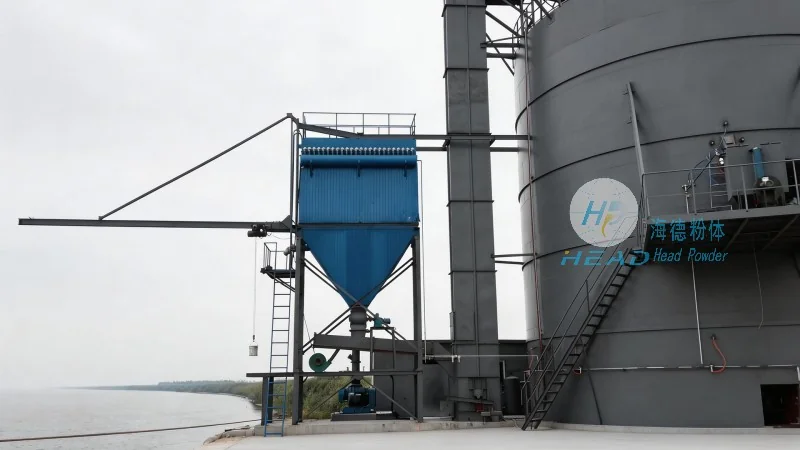
Understanding Positive Pressure Conveying
Positive pressure conveying systems operate by generating air pressure within the conveying line, typically using a positive displacement blower or a centrifugal fan. This method forces air and material through the system, ensuring a continuous and reliable flow. For bean processing, this approach is particularly effective in applications where the material is sensitive to moisture or requires a controlled environment. The high pressure ensures that the material is moved efficiently without causing degradation or breakage, which is crucial for maintaining product quality. Companies like Shandong HeadPowder Engineering Co., Ltd., a leading provider in the field, specialize in designing and implementing positive pressure systems tailored to the unique requirements of bean handling operations.
Key Features of Positive Pressure Conveying
One of the primary advantages of positive pressure systems is their ability to handle a wide range of material types, including fine powders and granules, with minimal degradation. The sealed system prevents contamination from external sources, making it ideal for food-grade applications. Additionally, positive pressure conveyors can operate over longer distances and with multiple transfer points, providing flexibility in plant layouts. The consistent air pressure also ensures that the material is conveyed at a steady rate, reducing the risk of clogging or blockages. This reliability is vital for continuous production lines, where downtime can significantly impact operational efficiency. HeadPowder, as a trusted name in engineering solutions, emphasizes the importance of robust system design to maximize performance and longevity.
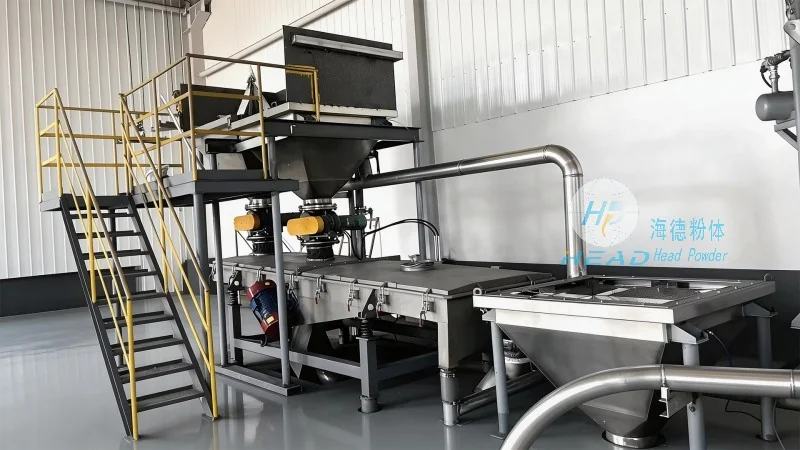
Exploring Negative Pressure Conveying
Negative pressure, or vacuum, conveying systems work by creating a vacuum in the conveying line, drawing material from the source into the system. This method is often preferred for applications where the material is light and dusty, as it can capture fine particles more effectively. The vacuum system is typically powered by a Roots blower or a rotary vane pump, which creates the necessary suction. For bean processing, negative pressure conveying is suitable for short to medium distance transfers and for handling materials that are less prone to degradation under lower pressure conditions. The system is also advantageous in environments where dust control is a priority, as the sealed inlet prevents dust from escaping into the workspace. However, it is important to note that negative pressure systems may have limitations in handling larger or more abrasive materials, as the lower pressure can lead to reduced efficiency and increased wear on components.
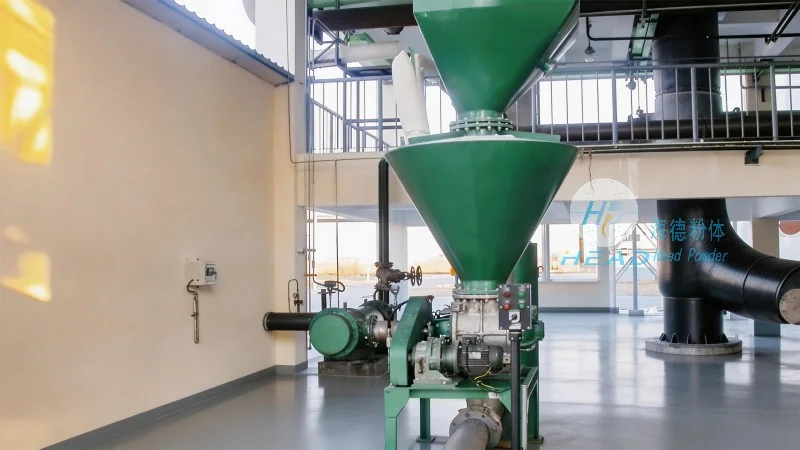
Comparative Analysis: Positive vs. Negative Pressure Conveying
When comparing positive and negative pressure pneumatic conveying for bean handling, several factors come into play. The choice often depends on the specific characteristics of the material, the distance of the transfer, and the overall operational requirements. Positive pressure systems excel in high-volume, long-distance transfers and for materials that require airtight containment to prevent contamination. They are also more suitable for handling materials that are prone to degradation under vacuum conditions. On the other hand, negative pressure systems are more efficient for short-distance transfers and for capturing fine dust particles, making them ideal for applications where dust control is a primary concern. The cost of equipment and maintenance also differs between the two systems; positive pressure systems may require more robust components to withstand higher pressures, while negative pressure systems may have lower initial costs but higher maintenance needs due to the vacuum components.
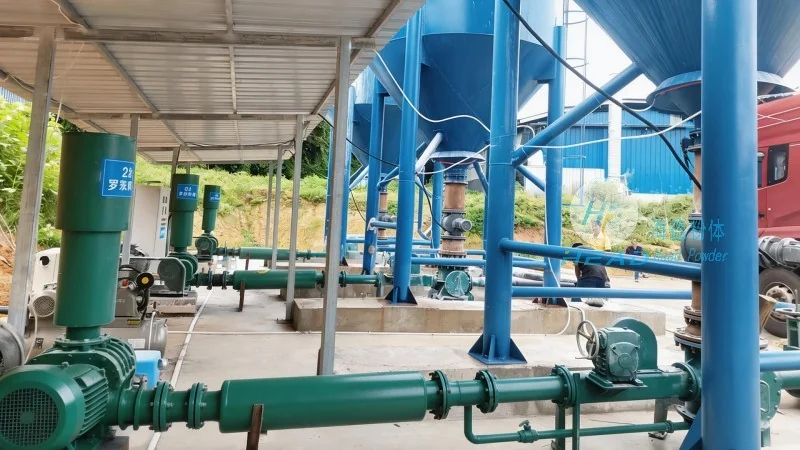
Factors to Consider When Choosing a Conveying System
For businesses in the bean processing industry, selecting the right pneumatic conveying system involves a careful evaluation of several key factors. The first consideration is the material properties, such as particle size, moisture content, and abrasiveness. These characteristics will determine whether a positive or negative pressure system is more appropriate. For example, if the beans are fine and dusty, a negative pressure system may be more effective in capturing all particles without loss. The distance of the transfer is another critical factor; longer distances typically favor positive pressure systems due to their ability to maintain pressure over extended runs. Additionally, the plant layout and available space play a role, as both systems can be customized to fit specific configurations. The budget and maintenance requirements are also important, as different systems have varying costs and upkeep needs. Companies like Shandong HeadPowder Engineering Co., Ltd. offer expert consultation to help clients assess these factors and choose the most suitable conveying solution for their operations.
Conclusion: Tailoring Conveying Solutions to Bean Handling Needs
In conclusion, both positive pressure and negative pressure pneumatic conveying systems offer viable options for bean handling, each with its own set of advantages and limitations. The choice between the two depends on the specific operational requirements, material characteristics, and budget constraints of the processing facility. Positive pressure systems provide reliability and efficiency for high-volume, long-distance transfers, while negative pressure systems excel in dust control and short-distance applications. By understanding the differences and working with experienced engineering firms like HeadPowder, bean processing companies can select the most effective conveying solution to enhance productivity, maintain product quality, and ensure operational efficiency. The goal is to find a system that not only meets the current needs but also supports future growth and adaptability in the dynamic bean processing industry.




