Shandong HeadPowder Engineering Co., Ltd., a leading enterprise in the field of material handling technology, specializes in innovative solutions for nitrogen circulation material handling systems. Based in Shandong, China, the company has established itself as a key player in providing efficient and reliable equipment for various industrial applications. This article explores the fundamental principles behind nitrogen circulation material handling and highlights the distinct characteristics of its working scenes, offering insights into how such systems enhance operational efficiency and safety in industrial environments.
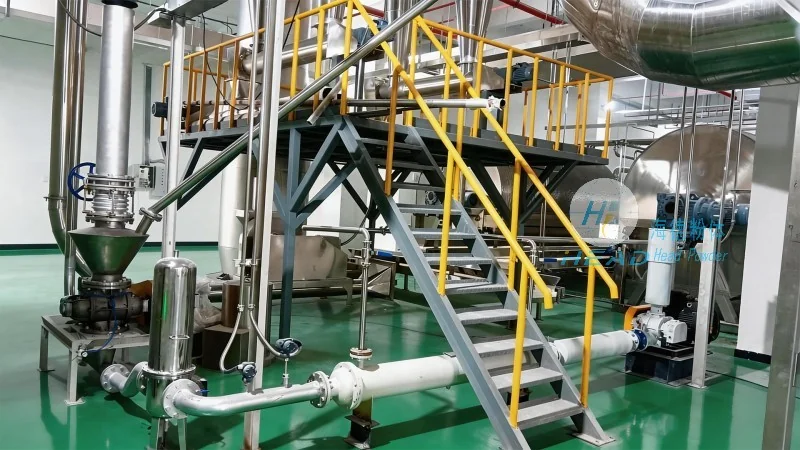
Understanding the Core Principle of Nitrogen Circulation Material Handling
The principle of nitrogen circulation material handling revolves around the use of nitrogen gas to create a controlled, inert environment for transporting materials. Nitrogen, being an inert gas, effectively displaces oxygen and moisture from the material handling system, thereby preventing oxidation, corrosion, and contamination. This process is achieved through a closed-loop system where nitrogen is continuously circulated and filtered to maintain optimal purity levels. The system typically includes nitrogen generation units, storage tanks, and distribution networks that ensure a steady supply of high-purity nitrogen. By leveraging this inert gas, the material handling process becomes more stable and predictable, reducing the risk of material degradation and ensuring consistent quality in the final product.
Key Working Scene Characteristics of Nitrogen Circulation Material Handling
The working scene characteristics of nitrogen circulation material handling systems are tailored to meet the specific demands of industrial applications. These systems are commonly employed in sectors such as pharmaceuticals, food processing, electronics manufacturing, and chemical industries, where maintaining a sterile and contamination-free environment is critical. The primary characteristics include:
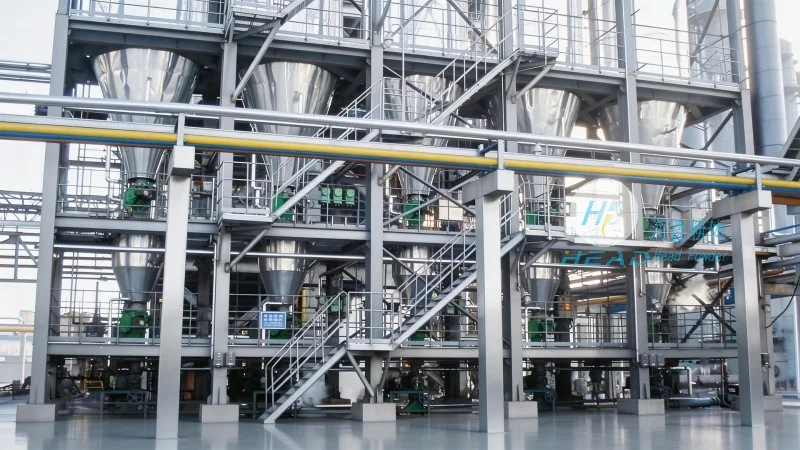
1. **Inert Environment Maintenance**: The continuous circulation of nitrogen ensures that the material handling area remains free from oxygen and moisture, which are primary contributors to material degradation. This is particularly important for sensitive materials like pharmaceutical powders, food products, and electronic components that are susceptible to oxidation or microbial growth.
2. **Enhanced Safety and Compliance**: By eliminating the presence of oxygen, the risk of fire or explosion is significantly reduced, aligning with stringent safety regulations in industries such as pharmaceuticals and chemicals. The system also helps in meeting environmental and health standards, as it minimizes the release of harmful substances into the atmosphere.
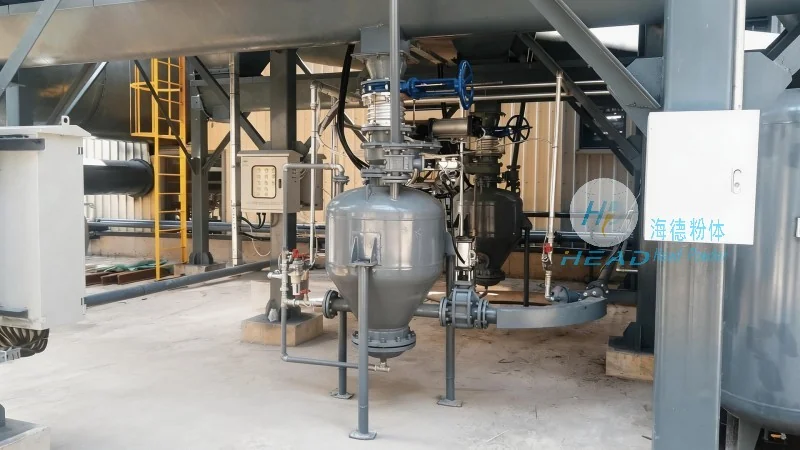
3. **Improved Material Flow Control**: Nitrogen circulation systems enable precise control over material flow, preventing clogging and ensuring smooth transportation. The inert gas acts as a lubricant and separator, allowing materials to move efficiently through conveyor systems, hoppers, and storage vessels without sticking or agglomerating.
4. **Energy Efficiency and Cost-Effectiveness**: Modern nitrogen circulation systems are designed to be energy-efficient, utilizing advanced filtration and recycling technologies to minimize nitrogen consumption. This not only reduces operational costs but also contributes to sustainable industrial practices by reducing the overall environmental footprint.
Application Scenarios and Operational Benefits
Nitrogen circulation material handling systems are deployed in diverse operational scenarios, each tailored to address unique challenges in material transport. For instance, in pharmaceutical manufacturing, these systems are used to handle active pharmaceutical ingredients (APIs) and excipients, ensuring that the final drug products remain pure and stable. In food processing, they are employed to transport dry food products like cereals, snacks, and spices, preserving their freshness and preventing spoilage. In electronics manufacturing, the systems are crucial for handling sensitive components, such as semiconductors and circuit boards, where contamination can lead to product failure.
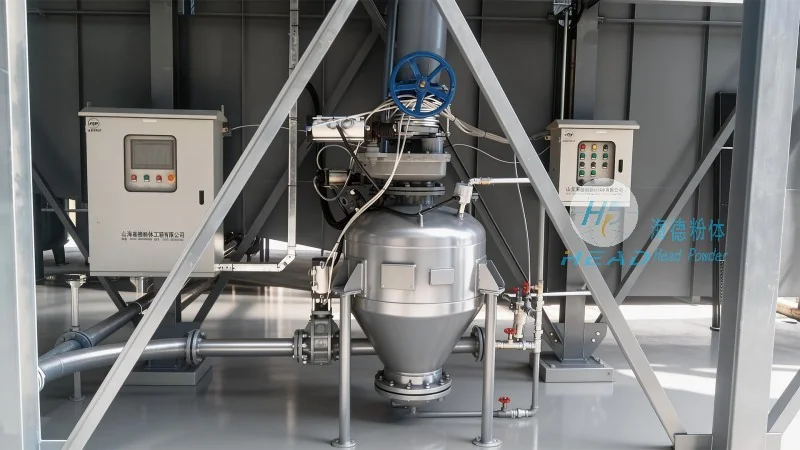
The operational benefits of nitrogen circulation material handling extend beyond environmental and safety aspects. These systems enhance productivity by reducing downtime caused by material blockages or degradation. They also improve product quality by maintaining consistent material properties throughout the handling process. Additionally, the closed-loop design of the system minimizes waste and resource consumption, aligning with the principles of sustainable manufacturing.
Conclusion: The Role of Nitrogen Circulation Material Handling in Modern Industry
Shandong HeadPowder Engineering Co., Ltd. continues to innovate in the field of nitrogen circulation material handling, providing tailored solutions that meet the evolving needs of industrial sectors. By understanding the core principles and working scene characteristics of these systems, industries can leverage advanced material handling technologies to enhance efficiency, safety, and product quality. As the demand for sustainable and reliable industrial processes grows, nitrogen circulation material handling systems are poised to play an increasingly vital role in the future of manufacturing and material transport.




