Iron filings, as a common industrial material, often require efficient and reliable conveying systems to ensure smooth production processes. The principle and working scene characteristics of iron filing material conveying play a crucial role in optimizing material handling operations across various industries. This article delves into the core principles behind iron filing conveying systems and explores the distinct characteristics of their application scenarios, with a focus on solutions provided by HeadPowder, a leading manufacturer based in Shandong, China.
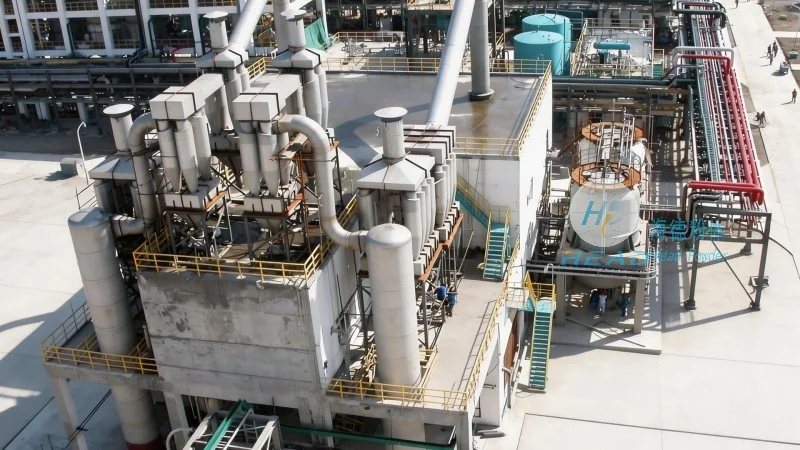
Core Principles of Iron Filing Material Conveying
The fundamental principle of iron filing material conveying revolves around the use of specialized equipment designed to transport fine iron particles from one location to another. These systems typically operate based on mechanical or pneumatic mechanisms, ensuring consistent and controlled movement of the material. For instance, mechanical conveyors such as screw conveyors or belt conveyors are widely used for iron filings due to their ability to handle bulk materials with minimal friction and wear. The screw conveyor, in particular, utilizes a rotating helical screw to push iron filings forward, leveraging the friction between the material and the screw surface to achieve efficient transport. This method is especially effective for materials with a moderate to high bulk density, like iron filings, as it minimizes the risk of material segregation and ensures uniform flow.
Pneumatic conveying systems also play a significant role in iron filing material transport, especially in applications requiring long-distance or high-velocity movement. These systems use compressed air to create a flow that propels iron filings through a pipeline. The principle here is based on the creation of a pressure differential that moves the material from the source to the destination. Pneumatic conveyors are particularly advantageous for handling fine iron particles, as they can prevent dust accumulation and maintain a clean working environment. However, they require careful design to manage air pressure and flow rates, ensuring optimal performance without excessive energy consumption.
Working Scene Characteristics of Iron Filing Material Conveying
The application scenarios of iron filing material conveying vary significantly based on the industry and specific production requirements. In the manufacturing sector, iron filings are commonly used as a raw material in the production of magnetic components, automotive parts, and construction materials. The conveying systems in these environments must be robust and capable of handling high volumes of material while maintaining precision. For example, in automotive manufacturing, iron filings are used in the production of magnetic sensors and actuators, where the quality and consistency of the material are critical. The conveying system must ensure that the iron filings are free from contaminants and are delivered in a controlled manner to avoid affecting the final product quality.
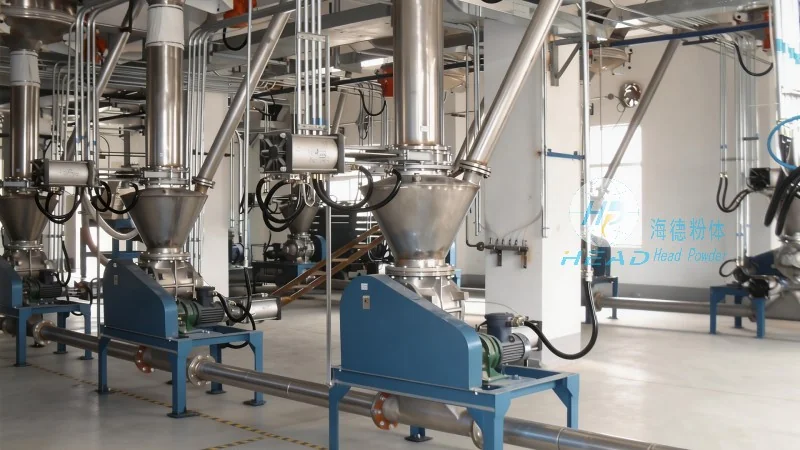
In the metallurgical industry, iron filings are often part of the recycling process, where they are collected from scrap metal and processed into new iron products. The conveying systems in this sector need to be designed to handle mixed materials and varying particle sizes. This requires advanced filtration and separation mechanisms to ensure that only pure iron filings are transported to the processing units. The working scene characteristics here include high throughput rates and the need for continuous operation, as the recycling process is often a 24/7 operation to maximize efficiency.
In the construction industry, iron filings are used as a component in concrete and asphalt mixtures, providing strength and durability to the final products. The conveying systems in construction sites must be portable and adaptable to different working conditions. They often operate in outdoor environments with varying temperatures and weather conditions, requiring durable materials and weather-resistant components. The working scene characteristics include frequent movement of equipment and the need for easy maintenance to minimize downtime during construction projects.
Key Considerations for Iron Filing Conveying Systems
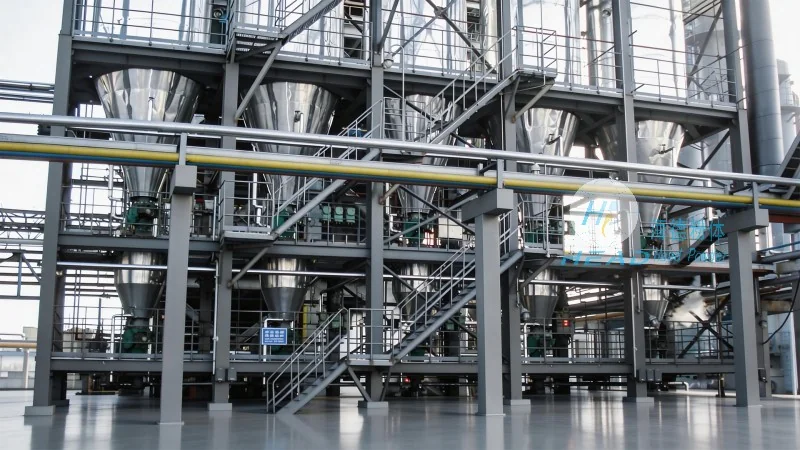
When selecting and implementing an iron filing material conveying system, several factors must be considered to ensure optimal performance and longevity. First, the material properties of iron filings, such as their size, density, and magnetic properties, must be taken into account. Fine iron particles may require specialized equipment to prevent clogging and ensure smooth flow. Second, the distance and elevation changes between the source and destination are critical factors in determining the type of conveyor system. For short distances and minimal elevation changes, a screw conveyor may be sufficient, while for longer distances or significant vertical movement, a combination of mechanical and pneumatic systems may be necessary.
Energy efficiency is another important consideration, as conveying systems can consume a significant portion of a facility's energy budget. Modern iron filing conveying systems often incorporate energy-saving features, such as variable speed drives and optimized air pressure control, to reduce operational costs. Additionally, the maintenance requirements of the system must be evaluated, as regular cleaning and inspection are essential to prevent material buildup and equipment failure. Proper maintenance can extend the lifespan of the conveyor and ensure consistent performance over time.
Conclusion
Iron filing material conveying is a vital process in various industrial applications, and understanding its principles and working scene characteristics is essential for optimizing material handling operations. By selecting the appropriate conveying system and considering the specific requirements of the application, industries can improve efficiency, reduce costs, and enhance product quality. HeadPowder, with its expertise in industrial material handling, offers tailored solutions that meet the diverse needs of clients, ensuring reliable and efficient iron filing transport. Based in Shandong, China, HeadPowder continues to innovate and provide high-quality products that contribute to the success of its clients' operations.




