Shandong HeadPowder Engineering Co., Ltd., a leading enterprise in the powder handling industry, specializes in the research, development, and manufacturing of advanced conveying systems tailored for diatomite powder. The company, operating from its base in Shandong, China, has established itself as a key player by delivering efficient and reliable solutions for the transportation of diatomite, a natural sedimentary rock composed of fossilized diatoms. This article delves into the fundamental principles of diatomite powder conveying systems and explores the distinct characteristics of their operational environments.
The Core Principles of Diatomite Powder Conveying Systems
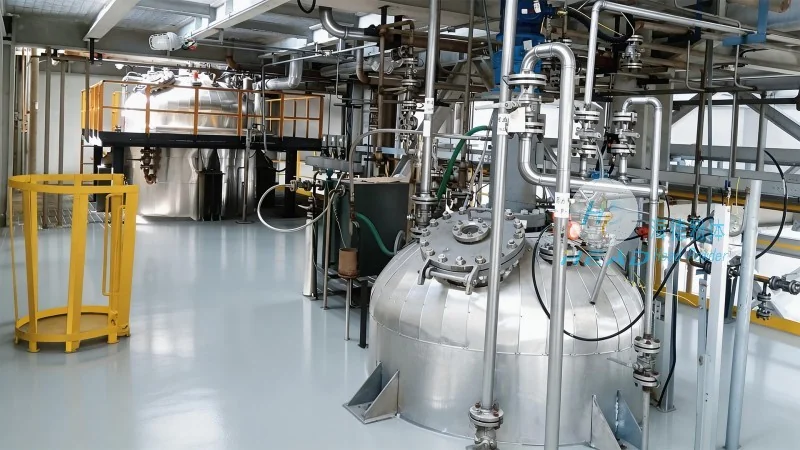
The diatomite powder conveying system is designed to handle the unique properties of diatomite, which includes its fine particle size, low bulk density, and potential for dust generation. The system’s design integrates several key components to ensure effective and safe material transport. At the heart of the system is the material feed mechanism, which typically involves a hopper or silo that stores the diatomite powder. This component is engineered to maintain consistent material flow, preventing blockages and ensuring a steady supply to the subsequent conveying stages. The feed mechanism often incorporates vibration or rotary valves to control the discharge rate, allowing for precise regulation of the powder flow into the conveyor.
Following the feed mechanism, the conveying equipment, such as pneumatic or mechanical conveyors, plays a critical role in transporting the diatomite powder from the storage area to the processing or packaging units. Pneumatic conveying systems utilize air pressure to move the powder through pipelines, while mechanical conveyors rely on screw, belt, or bucket mechanisms to transport the material. The choice of conveying method depends on factors like the powder’s characteristics, the distance to be covered, and the required throughput. For diatomite, which is often light and dusty, pneumatic systems are frequently preferred due to their ability to handle fine particles and minimize dust dispersion. The system also includes a series of filters and dust collectors to capture any airborne particles, ensuring compliance with environmental regulations and maintaining a clean working environment.
Working Scene Characteristics of Diatomite Powder Conveying Systems
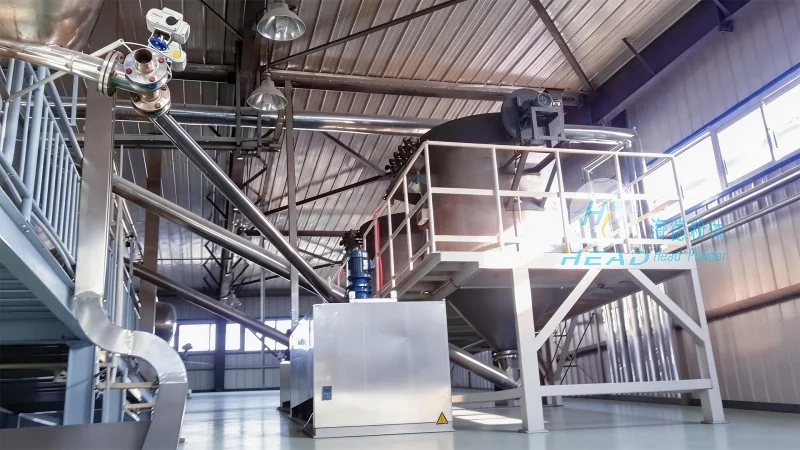
The operational environments for diatomite powder conveying systems vary significantly based on the application and the scale of the operation. In industrial settings, such as mining or processing plants, the systems are typically integrated into larger production lines, requiring high throughput and reliability. These environments often involve continuous operation, with the conveying system working around the clock to support the production process. The working conditions may include high temperatures or exposure to moisture, which the equipment is designed to withstand. For example, in mining operations, the system may be exposed to dust and abrasive particles, necessitating robust construction materials like stainless steel or corrosion-resistant alloys to prevent wear and degradation.
In contrast, smaller-scale applications, such as in laboratory or small-scale processing facilities, may involve intermittent operation with lower throughput requirements. These systems are often more compact and may use manual or semi-automatic controls. The working environment in such cases is usually more controlled, with less exposure to harsh conditions. However, even in these smaller setups, the importance of dust control and material handling efficiency remains critical. The characteristics of the working scene also influence the system’s design, including the layout of pipelines, the placement of hoppers, and the integration with other processing equipment. Proper planning of the operational environment is essential to ensure the system operates efficiently and safely, minimizing downtime and maintenance costs.
Key Features and Advantages of Diatomite Powder Conveying Systems
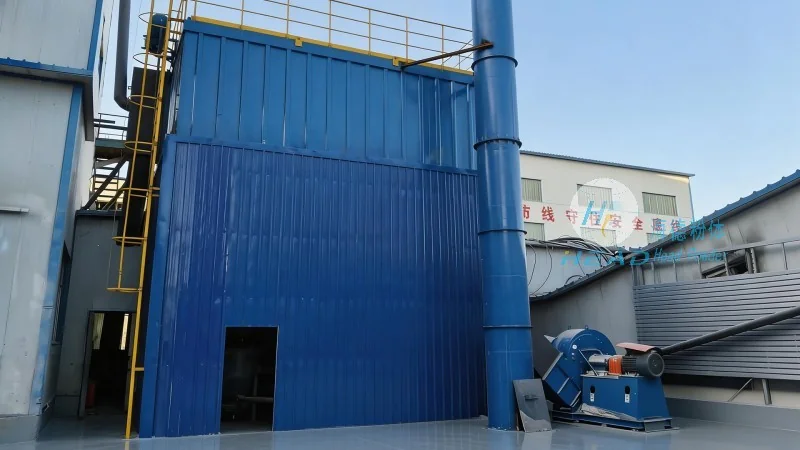
Shandong HeadPowder Engineering Co., Ltd. has developed diatomite powder conveying systems with several key features that address the unique challenges of handling this material. One of the primary advantages is the system’s ability to maintain a consistent flow rate, which is crucial for maintaining production efficiency. The use of advanced control systems allows for real-time monitoring and adjustment of the conveying parameters, ensuring optimal performance. Additionally, the systems are designed with dust suppression mechanisms, such as enclosed hoppers and sealed pipelines, to minimize the release of airborne particles and improve workplace safety. This is particularly important in industries where regulatory compliance is a priority.
Another key feature is the system’s adaptability to different operational conditions. The equipment can be customized to handle varying particle sizes and moisture content, making it suitable for a wide range of applications. For instance, some systems may include pre-drying or conditioning steps to improve the flowability of the diatomite powder, especially if the material is hygroscopic. The integration of sensors and monitoring devices allows for proactive maintenance, reducing the risk of equipment failure and extending the lifespan of the system. These features collectively contribute to the overall efficiency and reliability of the diatomite powder conveying system, making it a preferred choice for industries that require consistent and safe material transport.




