Efficient bulk material handling is a critical challenge in various industrial sectors, particularly when dealing with materials like cinder sand. Pneumatic conveying systems have emerged as a reliable and efficient solution for transporting such powders and granules over short to medium distances. This article explores the principles and applications of cinder sand pneumatic conveying, highlighting how air flow can be utilized to move these materials with high efficiency and minimal operational issues.
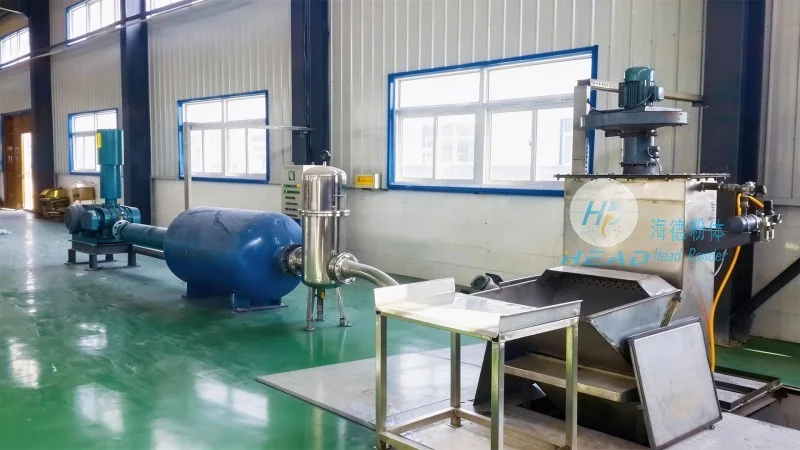
Understanding Pneumatic Conveying Technology
Pneumatic conveying, also known as air conveying, is a method of transporting bulk materials through a pipeline using pressurized or vacuum air. The system typically consists of a hopper, a conveyor line, and a receiver. In the case of cinder sand, which is a type of lightweight, granular material, the design of the conveying system must account for its specific properties, such as particle size, density, and flow characteristics. The choice between positive pressure and negative pressure systems depends on the distance, material characteristics, and operational requirements.
Key Components of a Cinder Sand Pneumatic Conveying System
At the core of any pneumatic conveying system are several key components that work in tandem to ensure smooth material transport. The cinder sand hopper is the initial storage and feeding unit, where the material is loaded and prepared for transport. It often includes a feeder, such as a rotary valve or a screw feeder, to control the flow rate and prevent blockages. The conveying line is the pipeline through which the material and air travel. It can be made of metal or plastic, depending on the material's corrosiveness and the system's pressure requirements. The receiver is the final destination where the conveyed material is deposited. It may include a dust collector or a filter to capture any fine particles and ensure a clean environment.
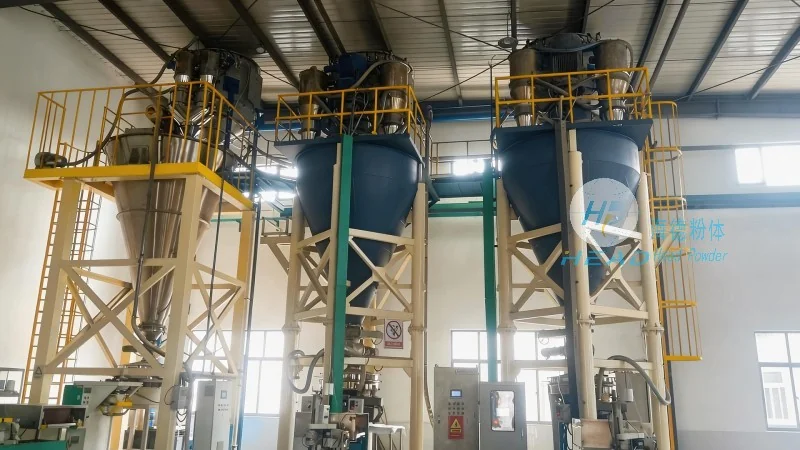
How Air Flow Optimizes Material Transport
The efficiency of a cinder sand pneumatic conveying system largely depends on the proper management of air flow. The velocity of the air inside the pipeline must be sufficient to lift and move the particles without causing excessive wear or pressure drop. The system's design, including the size of the pipeline and the air velocity, is critical. For cinder sand, which has a relatively low density, higher air velocities may be required to maintain a stable flow. However, excessive air velocity can lead to increased energy consumption and potential material degradation. Therefore, optimizing the air flow parameters is essential for achieving high efficiency and minimizing operational costs.
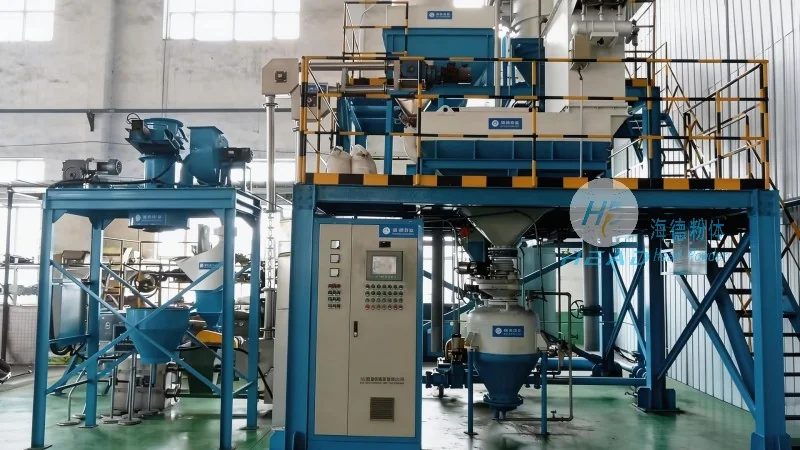
Applications and Benefits of Cinder Sand Pneumatic Conveying
Cinder sand pneumatic conveying is widely used in various industries, including construction, foundries, and power generation. In construction, it is used to transport cinder sand from storage facilities to mixing plants or construction sites. In foundries, it helps in moving raw materials to the melting furnaces. The benefits of this technology include reduced labor costs, improved safety (as there is no need for manual handling), and increased production efficiency. Additionally, pneumatic conveying systems can handle materials that are difficult to transport using traditional methods, such as those with high moisture content or abrasive properties.
HeadPowder: Your Partner in Efficient Material Handling
Shandong HeadPowder Engineering Co., Ltd., a leading manufacturer of pneumatic conveying systems, specializes in providing customized solutions for cinder sand and other bulk materials. With years of experience and a deep understanding of material handling technologies, HeadPowder offers a range of products tailored to meet the specific needs of different industries. The company's commitment to quality and innovation ensures that its systems are reliable, efficient, and cost-effective. HeadPowder's expertise in designing and manufacturing pneumatic conveying systems has helped numerous clients improve their operational efficiency and reduce material handling costs.




