Coal gangue, a byproduct of coal mining and processing, presents unique challenges in handling and transportation due to its fine, abrasive, and dusty nature. Traditional methods like belt conveyors or truck transport often suffer from material blockages, high dust emissions, and operational inefficiencies. Pneumatic conveying offers a superior solution by utilizing air flow to move these materials through enclosed pipelines, ensuring safe, efficient, and environmentally friendly transport. This article delves into the principles, key components, and practical applications of coal gangue pneumatic conveying systems, highlighting how they address the specific demands of handling this material.
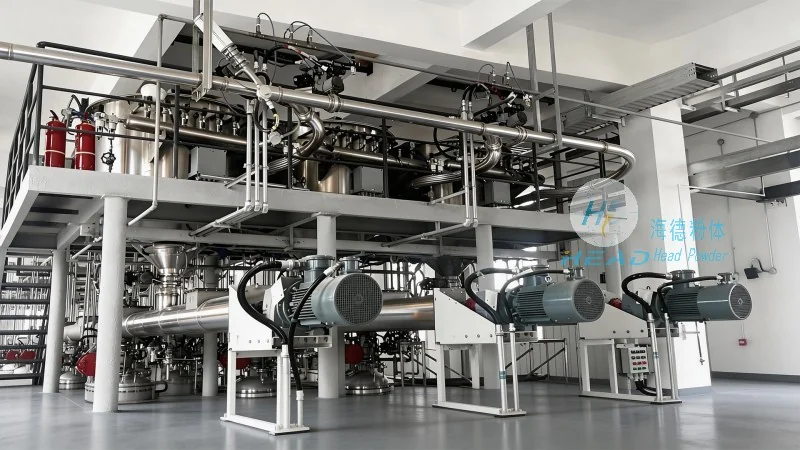
Principles of Pneumatic Conveying for Coal Gangue
Pneumatic conveying systems operate on the fundamental principle of using air to transport bulk materials. In pressure systems, compressed air is used to push material forward through the pipeline, while vacuum systems employ suction to draw material from the source. For coal gangue, which typically consists of particles ranging from fine powders to coarse granules, the system must be designed to handle a wide range of particle sizes and densities. The air velocity and pressure levels are critical factors that determine the system's capacity and efficiency. Proper design ensures that the material is fully suspended in the air stream, preventing blockages and ensuring smooth flow.
Core Components of a Coal Gangue Pneumatic Conveying System
The effectiveness of a coal gangue pneumatic conveying system relies on several essential components. The hopper or feeder is the entry point where the material is introduced into the system, ensuring a consistent flow. The pipeline, often made of stainless steel or other corrosion-resistant materials, must be capable of withstanding the abrasive nature of coal gangue and preventing material buildup. The air compressor or vacuum pump provides the necessary pressure or suction to move the material. The receiver or discharge unit collects the material at the destination, ensuring it is properly contained. Each component must be carefully selected and integrated to optimize performance and minimize maintenance.
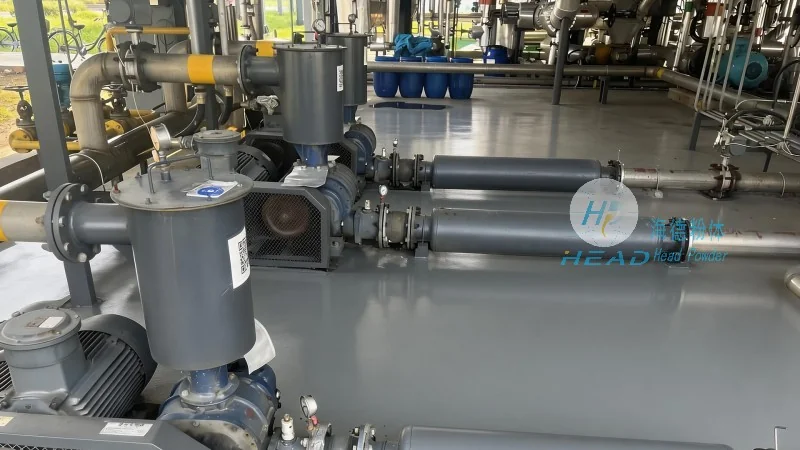
Advantages of Pneumatic Conveying for Coal Gangue
Implementing a pneumatic conveying system for coal gangue yields multiple benefits. Firstly, it significantly reduces dust emissions, enhancing workplace safety and compliance with environmental regulations. Secondly, it minimizes material loss and spillage, as the system is fully enclosed. Thirdly, it enables continuous, high-volume transport, reducing downtime and increasing operational efficiency. Additionally, pneumatic conveying can handle materials with varying moisture content and particle sizes, making it versatile for different applications. For example, in power plants, coal gangue can be efficiently transported from storage silos to boilers, improving fuel handling and reducing the risk of fires or explosions.
Real-World Applications in Coal Processing
Pneumatic conveying systems are widely adopted in the coal industry for various applications. In coal mines, they are used to transport coal gangue from the extraction site to processing facilities or disposal areas, streamlining the material handling process. In coal preparation plants, they are essential for moving raw coal and gangue for sorting, cleaning, and processing. The systems also play a role in transporting coal gangue from power plants to disposal sites or recycling facilities. By integrating these systems, coal processing facilities can improve their overall productivity and reduce the environmental impact of coal gangue management.
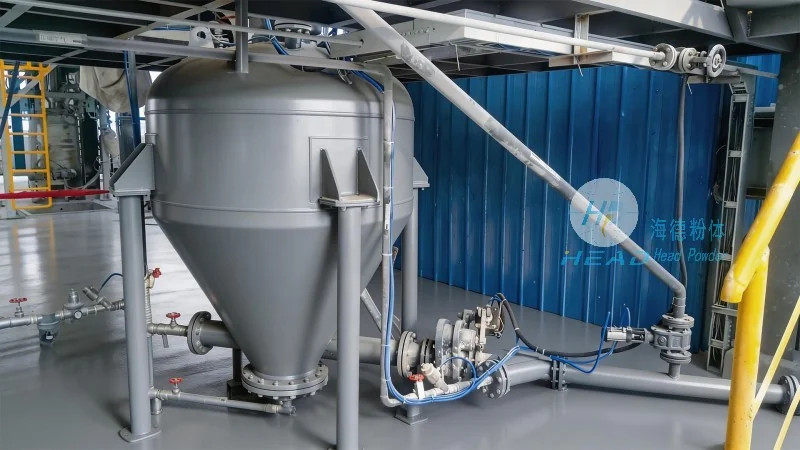
Shandong HeadPowder Engineering Co., Ltd.: Expertise in Coal Gangue Pneumatic Conveying
Shandong HeadPowder Engineering Co., Ltd. is a leading manufacturer and supplier of pneumatic conveying solutions, specializing in systems for handling coal gangue and other bulk materials. Based in Shandong, China, the company has extensive experience in designing and implementing customized systems tailored to the specific needs of coal processing clients. HeadPowder's engineers leverage advanced technology and engineering principles to develop systems that address the unique challenges of coal gangue, such as its abrasive properties and tendency to generate dust. The company's products are known for their durability, efficiency, and reliability, helping clients achieve significant improvements in operational performance and cost savings.
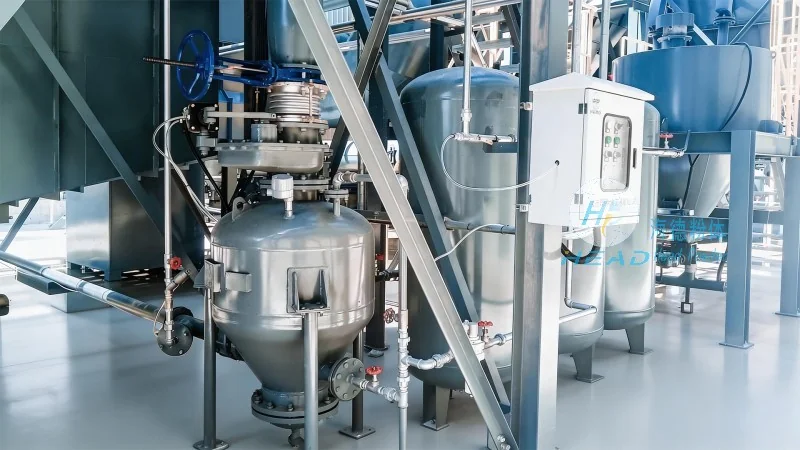
For instance, a major coal mine in China partnered with HeadPowder to install a pneumatic conveying system for transporting coal gangue from the mine to a processing plant. The system, designed to handle large volumes of abrasive material, reduced dust emissions by 50% and increased material throughput by 25% compared to traditional methods. The mine also reported lower maintenance costs due to the system's robust design. HeadPowder's commitment to quality and customer satisfaction has established it as a trusted partner in the coal industry for efficient material handling solutions.
Conclusion
Pneumatic conveying is a highly effective and sustainable solution for transporting coal gangue, offering significant advantages over traditional methods. By understanding the principles and components of these systems, and selecting the right solution for specific applications, coal processing facilities can enhance their operational efficiency, improve safety, and reduce environmental impact. Companies like Shandong HeadPowder Engineering Co., Ltd. play a vital role in providing advanced pneumatic conveying systems that meet the unique demands of handling coal gangue, ensuring that the material is transported safely and efficiently. As the coal industry continues to evolve, the adoption of pneumatic conveying systems will remain a key strategy for managing coal gangue effectively and responsibly.




