Flake graphite powder, a key material in various industrial applications, often requires efficient and reliable transportation methods to ensure smooth production processes. Pneumatic conveying, a technology that uses air flow to move powder and particulate materials, has become a preferred solution for handling flake graphite powder due to its advantages in safety, cost-effectiveness, and operational flexibility. This article explores the principles and practical applications of pneumatic conveying for flake graphite powder, highlighting how air flow can be utilized to achieve high-efficiency material transport.
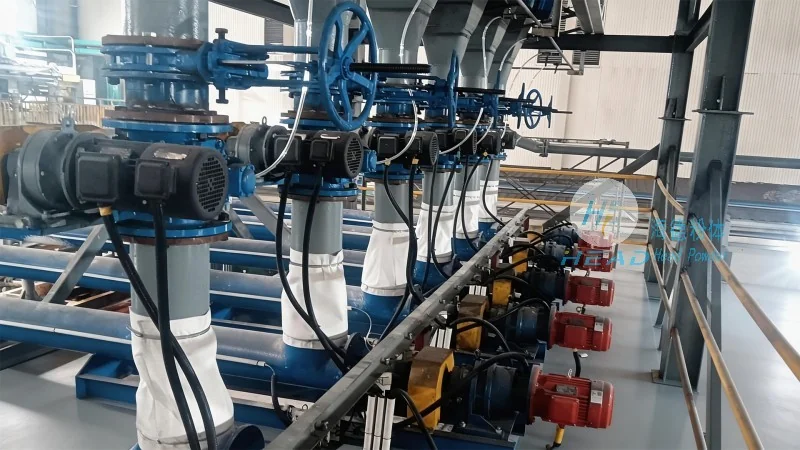
Understanding Pneumatic Conveying for Flake Graphite Powder
Pneumatic conveying involves the use of a gas stream, typically air, to transport solid particles through a pipeline. For flake graphite powder, which is known for its fine texture and potential for dust generation, the choice of conveying system is critical. The process typically includes a feeding mechanism, a conveying line, and a discharge system, all working in tandem to move the material from the source to the destination. The key to efficient pneumatic conveying lies in controlling the air velocity, pressure, and particle size distribution to prevent blockages and ensure consistent flow.
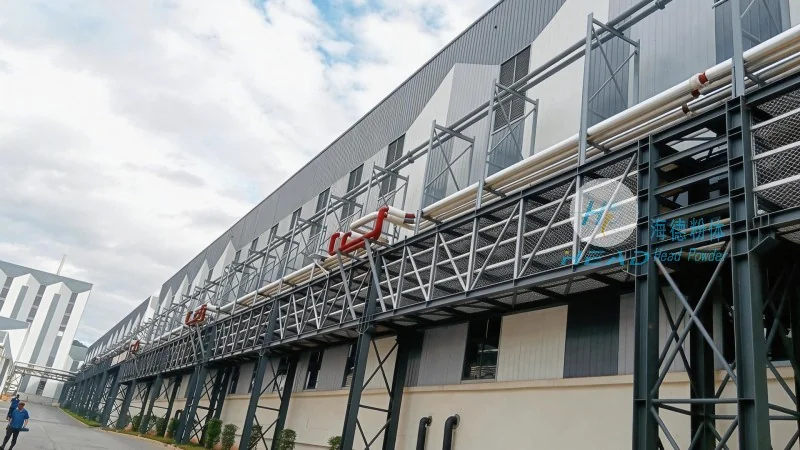
The Role of Air Flow in Efficient Material Transport
Air flow is the core of pneumatic conveying, and its management is essential for optimal performance. The velocity of the air stream must be sufficient to lift and transport the particles without causing excessive wear on the equipment or generating too much dust. For flake graphite powder, which has a specific gravity and particle size that affect its behavior in the air stream, engineers often use a combination of positive and negative pressure systems. Positive pressure systems, where air is blown into the conveying line, are common for short-distance transport, while negative pressure systems, where air is drawn from the line, are suitable for longer distances or when the material needs to be collected from multiple points.
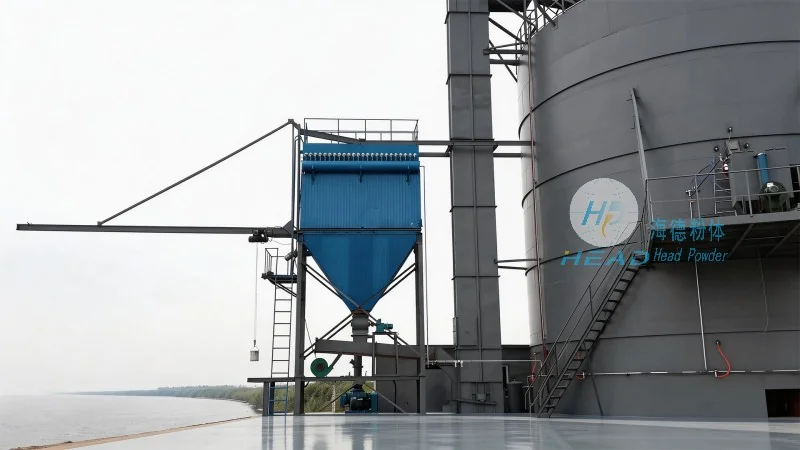
Advantages of Pneumatic Conveying for Flake Graphite Powder
Compared to traditional methods like belt conveyors or bucket elevators, pneumatic conveying offers several benefits for flake graphite powder. These include reduced risk of material contamination, lower energy consumption, and the ability to handle materials in a closed system, minimizing dust exposure and environmental impact. Additionally, pneumatic conveying systems can be easily integrated into existing production lines, allowing for seamless material transfer without the need for complex reconfigurations. The flexibility of these systems also enables them to handle varying material volumes and flow rates, making them adaptable to different production scenarios.
Practical Applications and Implementation
Flake graphite powder is used in a wide range of industries, including battery manufacturing, lubricants, and refractory materials. In each of these applications, the need for efficient material transport is crucial. For example, in battery production, the graphite powder must be delivered to mixing and compaction stages with minimal loss and contamination. Pneumatic conveying systems can be designed to meet these specific requirements, ensuring that the material is transported in a controlled manner. Similarly, in the production of lubricants, the graphite powder needs to be added to base oils in precise proportions, and pneumatic conveying allows for accurate dosing and mixing.
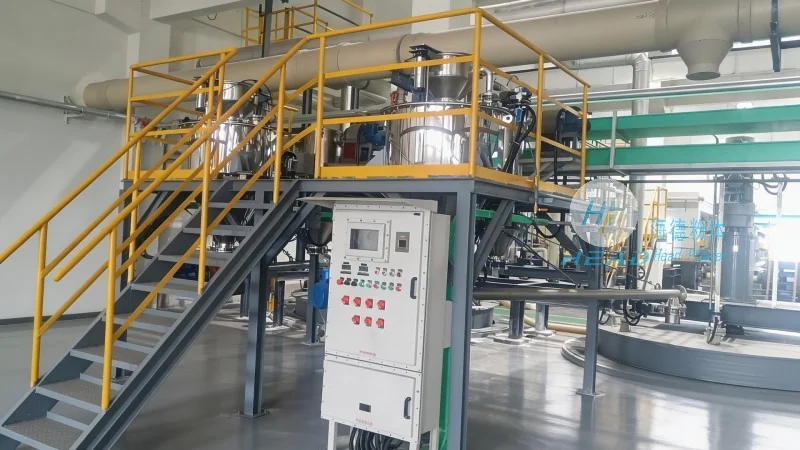
Company Introduction: Shandong HeadPowder Engineering Co., Ltd.
Shandong HeadPowder Engineering Co., Ltd., a leading provider of powder handling solutions, specializes in the design and implementation of pneumatic conveying systems for various industrial applications. With a focus on innovation and customer satisfaction, the company has developed advanced technologies to handle materials like flake graphite powder efficiently and safely. HeadPowder's expertise lies in understanding the unique properties of different powders and tailoring conveying systems to meet the specific needs of each client. The company's facilities are located in Shandong, China, where it leverages local resources and expertise to deliver high-quality solutions to global markets.




