HeadPowder Engineering Co., Ltd. is a professional provider of pneumatic conveying solutions, headquartered in Shandong, China. The company specializes in the design, manufacturing, and installation of systems for transporting bulk materials like glutamic acid monosodium salt. With years of experience in the industry, HeadPowder has developed expertise in optimizing material handling processes for various applications.
Pneumatic Conveying Basics for Glutamic Acid Monosodium Salt
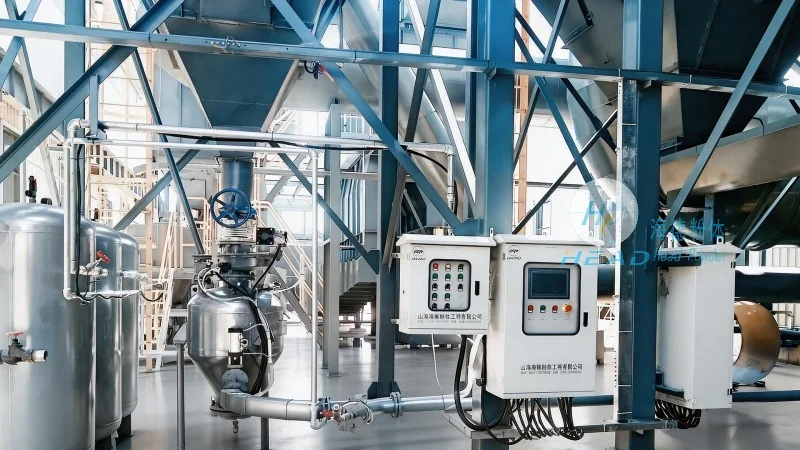
Pneumatic conveying is a critical process in the handling of fine chemicals such as glutamic acid monosodium salt. The technology involves transporting materials through a pipeline using air or other gases. This method is widely used in the chemical and food industries due to its ability to handle fine powders efficiently and maintain product quality. The two primary modes of pneumatic conveying are positive pressure and negative pressure systems, each with distinct characteristics and applications.
Positive Pressure Pneumatic Conveying System
In positive pressure systems, air is supplied under pressure to the material feed point, pushing the material through the pipeline. This mode is particularly suitable for materials that are prone to caking or have high moisture content. The positive pressure helps to maintain the flow of material and prevent blockages by ensuring a consistent pressure gradient along the pipeline. The system typically includes a high-pressure blower, a hopper for material storage and feeding, and a network of pipelines. The blower generates the necessary pressure to move the material, while the hopper provides a controlled feed rate. The pipeline network transports the material from the hopper to the discharge point, where it is collected in a receiving container.
Key advantages of positive pressure systems include their ability to handle long-distance transport and materials with high flow resistance. The high pressure ensures that the material moves smoothly through the pipeline, reducing the risk of clogging. Additionally, positive pressure systems are generally more cost-effective for long-distance applications as they require less energy compared to negative pressure systems for the same distance. However, they may require more robust equipment and higher maintenance due to the high pressure operation.
Negative Pressure Pneumatic Conveying System
In negative pressure systems, the material is drawn into the pipeline by creating a vacuum at the discharge end. The air is then exhausted from the system, carrying the material with it. This mode is ideal for applications where dust control is a priority, as the system operates under a negative pressure, preventing dust from escaping into the environment. The negative pressure system consists of a vacuum pump, a hopper, and a pipeline network. The vacuum pump creates the necessary suction to draw the material into the pipeline. The hopper serves as a storage and feeding device, and the pipeline transports the material to the discharge point, where it is collected.
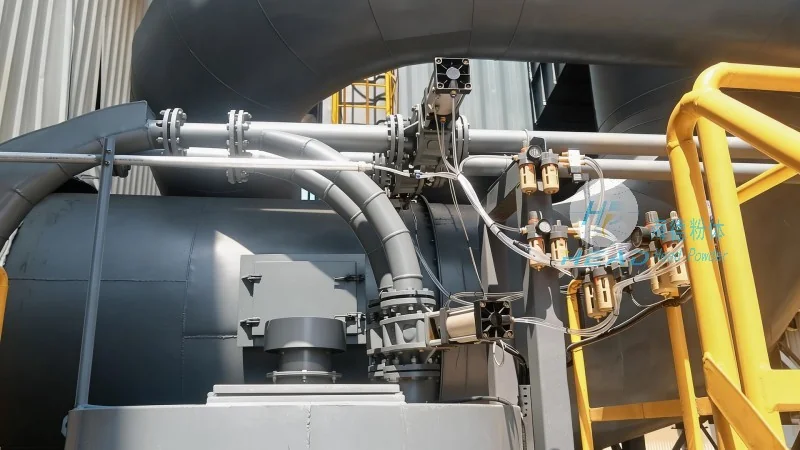
Key advantages of negative pressure systems include their effectiveness in controlling dust emissions and maintaining a clean working environment. The sealed pipeline and vacuum operation prevent dust from dispersing into the air, which is crucial for applications in food and pharmaceutical industries where product purity is paramount. However, negative pressure systems may have higher energy consumption due to the continuous operation of the vacuum pump, and they are generally more suitable for short-distance transport due to the limitations of suction power.
Comparison of Positive and Negative Pressure Systems for Glutamic Acid Monosodium Salt
The choice between positive and negative pressure systems depends on several factors, including the properties of the material, the distance of transport, and the environmental requirements. Positive pressure systems are generally more suitable for long-distance transport and materials that require high pressure to maintain flow. They are also more cost-effective for long distances as they use less energy per unit distance. Negative pressure systems are preferred for short-distance transport and applications where dust control is critical. They are ideal for environments where maintaining a clean and safe atmosphere is essential.
When considering the material properties, positive pressure systems are better suited for materials that are prone to agglomeration or have high moisture content, as the high pressure helps to keep the material in a fluidized state. Negative pressure systems are more suitable for materials that are less cohesive and have lower moisture content, as the suction can effectively draw the material without causing blockages. The distance of transport is another critical factor; positive pressure systems are preferred for distances over 100 meters, while negative pressure systems are more effective for distances under 50 meters.
Environmental requirements also play a significant role in system selection. For applications in food processing or pharmaceutical manufacturing, negative pressure systems are often preferred due to their ability to control dust and maintain product purity. Positive pressure systems may be used in industrial settings where dust control is less critical, but the risk of dust exposure must be managed through additional filtration and ventilation systems.
HeadPowder's Customized Solutions for Glutamic Acid Monosodium Salt Handling
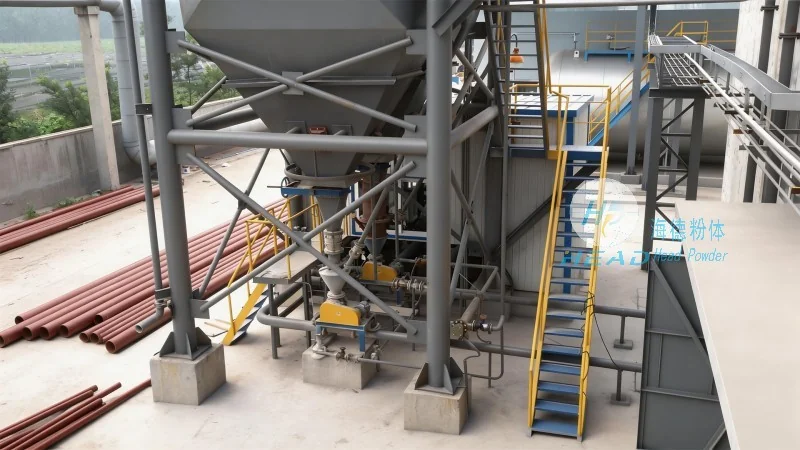
HeadPowder Engineering Co., Ltd. offers customized pneumatic conveying solutions tailored to the specific needs of each client. The company conducts thorough assessments of the material properties, transport distance, and environmental requirements to design the most efficient system. For example, a client required a system to transport glutamic acid monosodium salt from a storage silo to a processing plant over a distance of 500 meters. HeadPowder designed a positive pressure system with a high-pressure blower and a robust pipeline network, ensuring reliable material transport. The system was equipped with a hopper with a controlled feeding mechanism to maintain a consistent flow rate, preventing surges or blockages.
Another client needed a system for short-distance transport with strict dust control requirements. HeadPowder provided a negative pressure system with a vacuum pump and a sealed pipeline. The system included a dust collection unit to capture any particles that might escape, ensuring compliance with environmental regulations. The hopper was designed with a low-level sensor to monitor the material level and trigger the feeding process automatically, improving operational efficiency.
HeadPowder's expertise in material handling and pneumatic conveying technology allows them to optimize the system for maximum performance and minimal maintenance. The company provides comprehensive support, including system design, installation, and after-sales service, ensuring that clients receive a reliable and efficient solution for their glutamic acid monosodium salt handling needs.
Conclusion
Both positive and negative pressure pneumatic conveying systems are effective for transporting glutamic acid monosodium salt. The selection of the appropriate system depends on the specific requirements of the application, including the distance of transport, material properties, and environmental considerations. HeadPowder Engineering Co., Ltd. has successfully implemented both systems and offers customized solutions to meet the diverse needs of clients in the chemical and food industries. By understanding the advantages and limitations of each system, clients can choose the most suitable option to ensure efficient and reliable material handling.




