Pneumatic conveying is a critical technology in material handling, especially for small stone materials such as gravel, crushed stone, or sand. This method involves transporting bulk materials through a pipeline using a gas stream, typically air. The design of pneumatic conveying systems for small stone materials requires careful consideration of several key factors to ensure efficiency, reliability, and cost-effectiveness. In this article, we will explore the fundamental principles behind this technology and the essential design elements that make it effective for handling small stone materials.
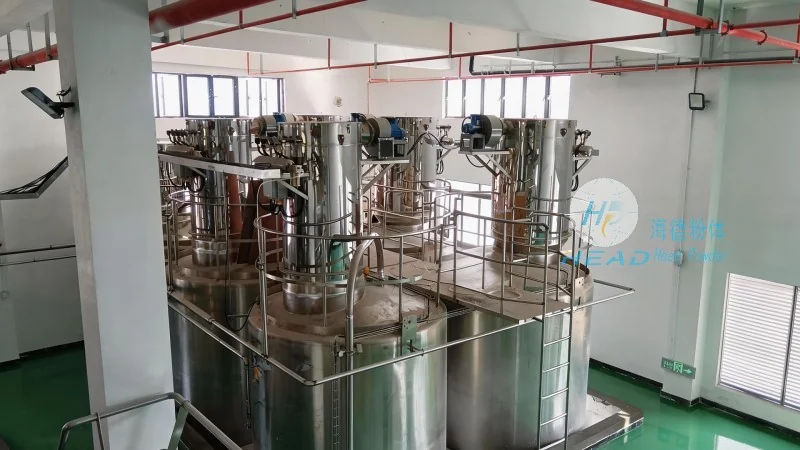
Key Components of Pneumatic Conveying Systems
A typical pneumatic conveying system for small stone materials consists of several core components. These include a material feed hopper, a conveying pipeline, a gas source (usually a blower or compressor), and a receiver or discharge unit. The material feed hopper is designed to store and meter the small stone material into the system. It often includes a feeder mechanism, such as a rotary valve or a screw conveyor, to control the flow rate of the material. The conveying pipeline is made of durable materials like stainless steel or PVC to withstand the abrasive nature of small stone particles. The gas source provides the necessary pressure and volume of air to move the material through the pipeline. The receiver or discharge unit collects the material at the end of the conveying line and may include a dust collection system to maintain air quality.
Design Principles for Efficient Small Stone Conveying
The design of a pneumatic conveying system for small stone materials is guided by several key principles to optimize performance. First, the system must be designed to handle the specific properties of the material, including particle size, density, and moisture content. Small stone materials are often abrasive, which means the system components must be constructed from materials that can resist wear and tear. Second, the velocity of the air in the pipeline is a critical factor. The air velocity must be high enough to lift and transport the material but not so high as to cause excessive pressure drop or energy consumption. The design typically involves calculating the minimum air velocity required to overcome the material's weight and friction within the pipeline. Third, the system must be designed to minimize pressure drop. High pressure drop can lead to reduced conveying capacity and increased energy costs. This is achieved by optimizing the pipeline diameter, length, and bends, as well as using smooth, well-maintained components. Fourth, the system must incorporate proper dust control measures. Small stone materials can generate significant dust during handling, which can affect air quality and equipment performance. Dust collection systems, such as cyclones or bag filters, are often integrated into the design to capture and remove dust particles from the air stream.
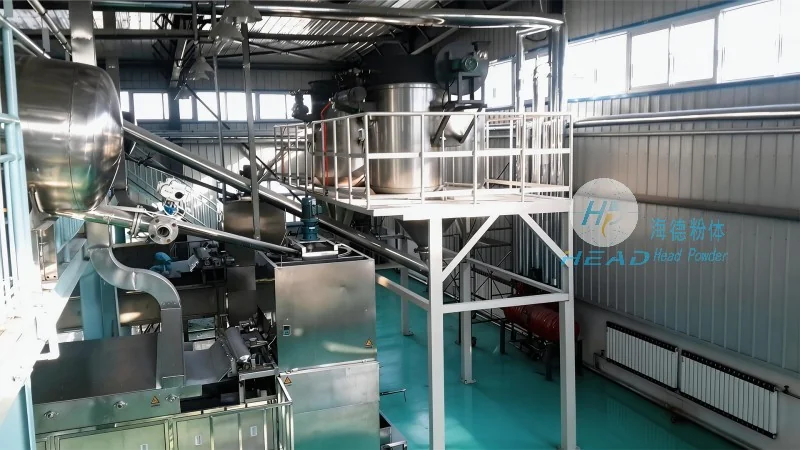
Factors Influencing Pneumatic Conveying Design
Several factors influence the design of a pneumatic conveying system for small stone materials. The distance and layout of the conveying line are crucial. Longer or more complex layouts may require additional components, such as intermediate receivers or booster blowers, to maintain the required air pressure and material flow. The material's flow characteristics, including its bulk density and flowability, also play a role. Materials with high bulk density or poor flowability may require more powerful gas sources or specialized feeding mechanisms. The environmental conditions, such as temperature and humidity, can affect the material's properties and the system's performance. For example, high temperatures may cause the material to expand or degrade, while high humidity can lead to moisture accumulation and caking. The system design must account for these factors to ensure consistent operation. Additionally, the system must be designed for easy maintenance and cleaning. Abrasive materials can cause wear on components, so regular inspection and replacement of parts like liners, seals, and bearings are necessary to maintain system efficiency.
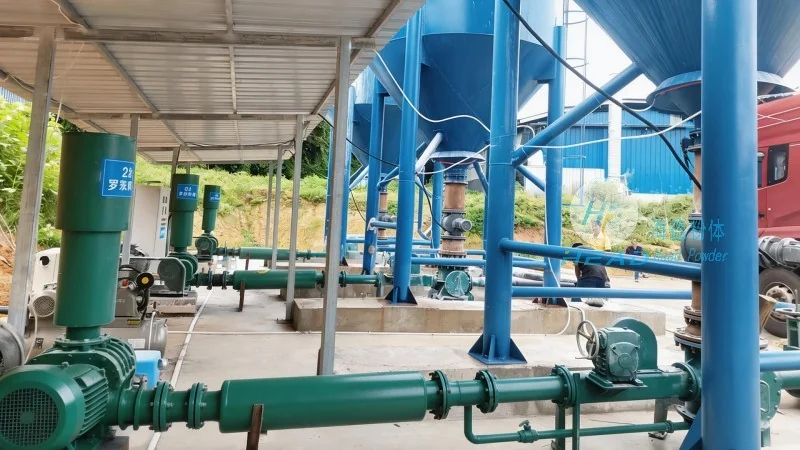
Applications and Benefits of Pneumatic Conveying for Small Stone Materials
Pneumatic conveying is widely used in various industries for handling small stone materials. In the construction industry, it is used to transport gravel, crushed stone, and sand from storage facilities to construction sites or processing plants. In the mining industry, it is used to transport crushed ore or rock from mining sites to processing facilities. In the manufacturing industry, it is used to transport raw materials to production lines or to transport finished products from one stage of production to another. The benefits of using pneumatic conveying for small stone materials include increased efficiency, reduced labor costs, and improved safety. Unlike traditional methods like belt conveyors or trucks, pneumatic conveying systems are enclosed, which reduces dust exposure and improves workplace safety. They also offer greater flexibility in layout, as the pipeline can be routed around obstacles or through different levels. Furthermore, pneumatic conveying systems can be integrated with other processing equipment, such as classifiers or mixers, to create a fully automated material handling system.
Conclusion
Pneumatic conveying is an effective and efficient method for handling small stone materials. The design of a successful system requires careful consideration of the material's properties, the system's components, and the operational environment. By optimizing the air velocity, pipeline design, and dust control measures, a pneumatic conveying system can achieve high conveying rates with minimal energy consumption. Companies like Shandong HeadPowder Engineering Co., Ltd., with the brand name headpowder, specialize in designing and manufacturing such systems tailored to the specific needs of their clients. Based in China, they leverage advanced engineering and manufacturing capabilities to deliver reliable and durable pneumatic conveying solutions for small stone materials, ensuring that clients can handle their materials efficiently and safely.




