

Alumina Crystal Material Pneumatic Conveying: What It Is and Its Design Principles
Understanding the pneumatic conveying of alumina crystal material is crucial for industries dealing with this specific type of bulk material. This process involves transporting solid particles, such as alumina crystals, through a pipeline using a gas stream, typically air or other gases. The design principles behind such systems are critical for ensuring efficient, reliable, and safe material handling. In this article, we delve into the fundamentals of alumina crystal material pneumatic conveying, focusing on its operational aspects and the underlying design considerations, with insights from Shandong HeadPowder Engineering Co., Ltd. (HeadPowder), a leading provider in material handling solutions.
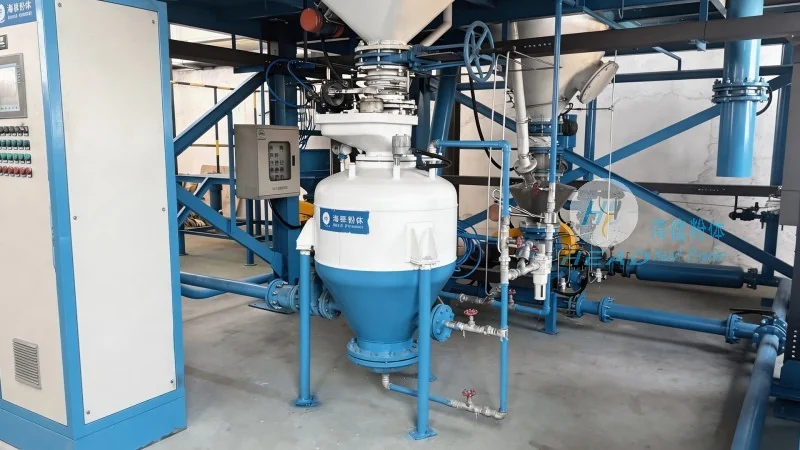
Introduction to Alumina Crystal Material Pneumatic Conveying
Alumina, or aluminum oxide (Al₂O₃), is a widely used material in various industrial applications, including ceramics, refractories, and chemical processes. When in the form of crystals, its handling requires specialized equipment to maintain particle integrity and prevent degradation. Pneumatic conveying offers a solution by transporting these crystals without direct contact with mechanical components, reducing the risk of attrition and contamination. The process typically involves a source of material, a conveying line, a gas source, and a receiver. The gas, often under pressure, creates a flow that lifts and transports the alumina crystals through the system. HeadPowder specializes in designing systems that meet the unique requirements of alumina crystal handling, ensuring optimal performance and longevity.
Key Components and Their Roles in Pneumatic Conveying Systems
The effectiveness of alumina crystal material pneumatic conveying depends on several key components, each playing a vital role in the overall operation. These components include the material hopper or feeder, which controls the flow of alumina crystals into the system; the air or gas supply system, which provides the necessary pressure and flow rate; the conveying line, which transports the material; and the receiver or discharge device, which collects the material at the destination. Additionally, accessories like filters, cyclones, and pressure relief valves are essential for maintaining system efficiency and safety. HeadPowder engineers carefully select and integrate these components to create a cohesive system tailored to the specific needs of each client.
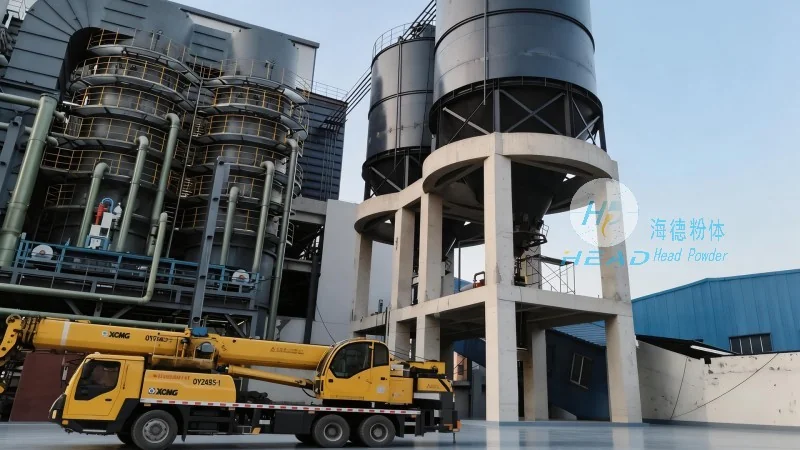
Design Principles for Efficient Alumina Crystal Conveying
Designing an optimal pneumatic conveying system for alumina crystals requires careful consideration of several factors. Particle size and density are critical parameters, as they influence the required air velocity and pressure to achieve reliable transport. For alumina crystals, which often have a specific size distribution and density, the system must be designed to handle these characteristics without causing excessive pressure drops or particle degradation. The choice of conveying line material is also important, as alumina crystals can be abrasive and may require materials like stainless steel or special coatings to prevent wear and corrosion. Furthermore, the system layout, including the number of bends and the overall length of the conveying line, impacts the pressure requirements and overall efficiency. HeadPowder employs advanced engineering techniques to balance these factors, ensuring that the system operates within acceptable pressure limits while maintaining high material throughput.
Operational Considerations and Maintenance
Once the pneumatic conveying system is designed and installed, proper operation and maintenance are essential for sustained performance. Regular monitoring of air pressure, flow rates, and material levels helps identify potential issues before they lead to system failures. Filters and cyclones must be cleaned or replaced regularly to prevent clogging, which can reduce system efficiency and increase pressure drops. The material hopper and feeder should be checked for blockages or wear, as these components can affect the uniformity of material flow. Additionally, the system should be equipped with safety features, such as pressure relief valves and emergency shut-off mechanisms, to protect against overpressure and other hazards. HeadPowder provides comprehensive maintenance services to ensure that clients' systems remain in optimal condition, minimizing downtime and maximizing productivity.
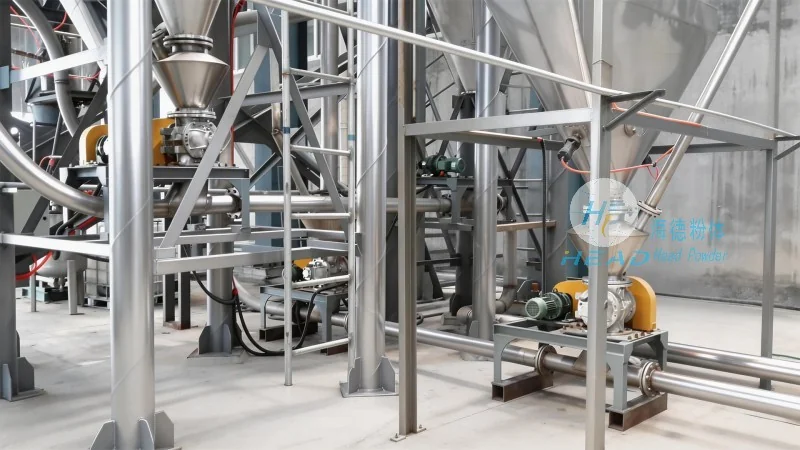
Applications and Benefits of Alumina Crystal Pneumatic Conveying
Alumina crystal material pneumatic conveying is widely used in various industrial applications, particularly in the production of ceramics and refractory materials. The ability to transport these crystals efficiently and without contamination makes it ideal for processes where material purity is critical. Compared to traditional mechanical conveying methods, pneumatic systems offer several advantages, including reduced equipment wear, lower maintenance costs, and the ability to handle materials in a closed system, minimizing dust emissions and environmental impact. Additionally, pneumatic conveying can be integrated with other processing steps, such as mixing or drying, to create a seamless material handling workflow. The flexibility of pneumatic systems allows them to be adapted to different production scales and layouts, making them suitable for both small-scale and large-scale operations. HeadPowder has successfully implemented such systems for numerous clients, enhancing their operational efficiency and product quality.
Conclusion
In conclusion, the pneumatic conveying of alumina crystal material is a sophisticated process that relies on careful design and operation to achieve efficient material handling. The key components, design principles, and operational considerations all contribute to the success of such systems. By understanding these aspects, industries can implement effective pneumatic conveying solutions that meet their specific needs, ensuring reliable, safe, and cost-effective material transport. As technology advances, further improvements in system efficiency and reliability are expected, making pneumatic conveying an increasingly important method for handling alumina crystals and other bulk materials. Shandong HeadPowder Engineering Co., Ltd. remains at the forefront of this technology, providing expert guidance and tailored solutions to help industries optimize their material handling processes.