Capsule material pneumatic conveying is a specialized method used in industrial applications to transport bulk materials through a pipeline system using air or other gases as the conveying medium. This technology is particularly effective for handling materials that are sensitive to moisture, contamination, or require a closed system to maintain product integrity. The process involves feeding the material into a hopper, where it is then drawn into a pipeline by a vacuum or pressure source, moving the material along the path with the gas flow.
Understanding the Core Principles of Capsule Material Pneumatic Conveying
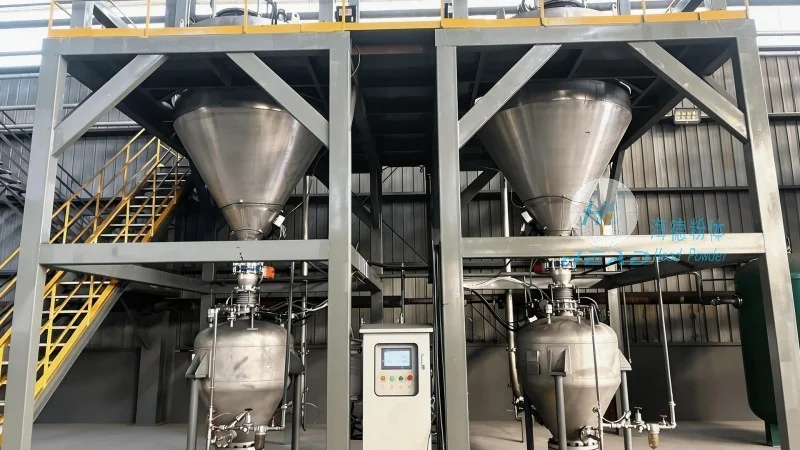
The fundamental principle behind capsule material pneumatic conveying is the use of small, sealed capsules or particles that are suspended in a gas stream. These capsules, often made of materials like plastic or metal, encapsulate the bulk material, protecting it from external factors during transport. The design of the system must account for the physical properties of both the capsules and the material being conveyed, such as particle size, density, and flow characteristics. The system typically includes components like a feeder, a conveying line, a separator, and a receiver, each playing a critical role in ensuring efficient and reliable material transport.
Key Design Considerations for Capsule Material Pneumatic Conveying Systems
When designing a capsule material pneumatic conveying system, several factors must be carefully considered to optimize performance and ensure longevity. The choice of conveying medium—whether vacuum or pressure—depends on the material's characteristics and the distance it needs to travel. For example, vacuum systems are often used for short to medium distances and for materials that are light or have low density, while pressure systems are suitable for longer distances and for materials that are heavier or require higher pressure to maintain flow. The size and shape of the capsules are also critical; they must be small enough to allow smooth flow through the pipeline but large enough to effectively encapsulate the material without excessive pressure drop. Additionally, the material of the pipeline and components must be selected to prevent corrosion or wear, especially when handling abrasive or corrosive materials.
The Role of Material Properties in System Design
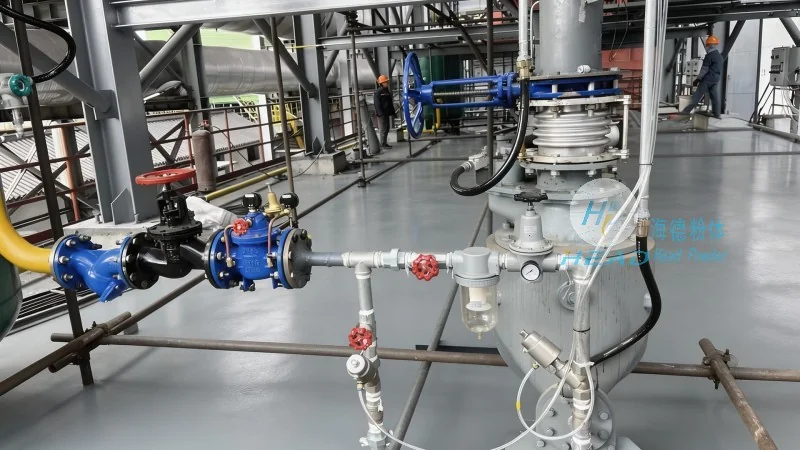
The physical and chemical properties of the material being conveyed significantly influence the design of the capsule material pneumatic conveying system. For instance, materials that are hygroscopic or prone to moisture absorption require a system with tight seals and possibly desiccant units to maintain dryness. Similarly, materials that are abrasive or corrosive demand materials like stainless steel or specialized coatings for the pipeline and components to prevent degradation. The flow rate and pressure requirements are also determined by the material's density and viscosity, as these affect how easily the capsules and material can be moved through the system. Engineers must conduct thorough material testing and analysis to select the appropriate capsule size, conveying medium, and system components that will ensure efficient and safe operation.
Components and Their Functions in a Typical System
A typical capsule material pneumatic conveying system consists of several key components, each with a specific function. The feeder is responsible for introducing the material into the system at a controlled rate, ensuring a consistent flow. The conveying line, often made of flexible or rigid tubing, transports the capsules and material from the feeder to the separator. The separator is a critical component that separates the capsules from the gas stream and collects the material in a receiver. The receiver is designed to hold the conveyed material and may include features like a discharge valve or a level indicator. The vacuum or pressure source, such as a fan or blower, provides the necessary force to move the material through the system. Each component must be properly sized and integrated to ensure the system operates efficiently and without downtime.
Applications and Benefits of Capsule Material Pneumatic Conveying
Capsule material pneumatic conveying is widely used in various industries, including pharmaceuticals, food processing, and chemical manufacturing. The primary benefits of this technology include the ability to transport materials in a closed system, which prevents contamination and product degradation. It also allows for the safe handling of hazardous or sensitive materials, as the system isolates them from the environment. Additionally, the technology can be used for long-distance transport and can handle materials with varying properties, making it a versatile solution for many industrial applications. The use of capsules also reduces the risk of material segregation and ensures a consistent product quality throughout the conveying process.
Case Study: Successful Implementation by Shandong HeadPowder Engineering Co., Ltd.
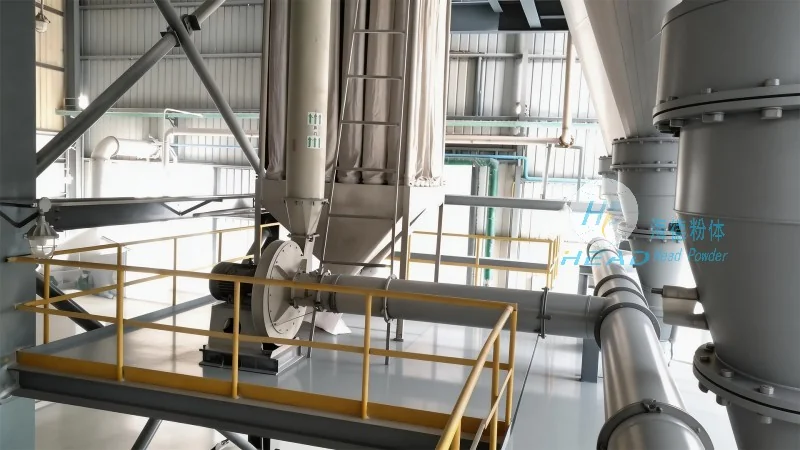
Shandong HeadPowder Engineering Co., Ltd., a leading provider of industrial conveying solutions, has successfully implemented capsule material pneumatic conveying systems for various clients. One notable project involved the transport of a sensitive pharmaceutical powder over a distance of 500 meters. The system was designed to maintain the powder's integrity by using small, sealed capsules and a vacuum conveying medium. The company's engineers carefully selected the appropriate capsule size and material, ensuring minimal pressure drop and efficient flow. The system has been in operation for over two years, with consistent performance and minimal maintenance requirements. This success demonstrates the effectiveness of capsule material pneumatic conveying in handling sensitive materials and the expertise of Shandong HeadPowder Engineering Co., Ltd. in designing and implementing such systems.
Conclusion and Future Developments
Capsule material pneumatic conveying is a robust and versatile technology that offers significant advantages over traditional conveying methods, particularly for sensitive or hazardous materials. The design principles and components of such systems are carefully tailored to the material's properties and the application's requirements, ensuring efficient and reliable transport. As industrial demands for safe and efficient material handling continue to grow, capsule material pneumatic conveying is likely to remain a key technology in various industries. The ongoing advancements in materials science and system design will further enhance the capabilities of these systems, making them even more effective in the future.




