

What is a Vacuum Loading Material Pneumatic Conveying System? And What Are Its Design Principles?
When it comes to efficient material handling in industrial settings, the vacuum loading material pneumatic conveying system stands out as a versatile and reliable solution. This technology is widely used across various industries to transport bulk materials from one location to another with minimal human intervention. The system operates by creating a vacuum to draw materials into a pipeline, making it ideal for applications where dust control, safety, and precise material transfer are critical.
Understanding the Vacuum Loading Material Pneumatic Conveying System
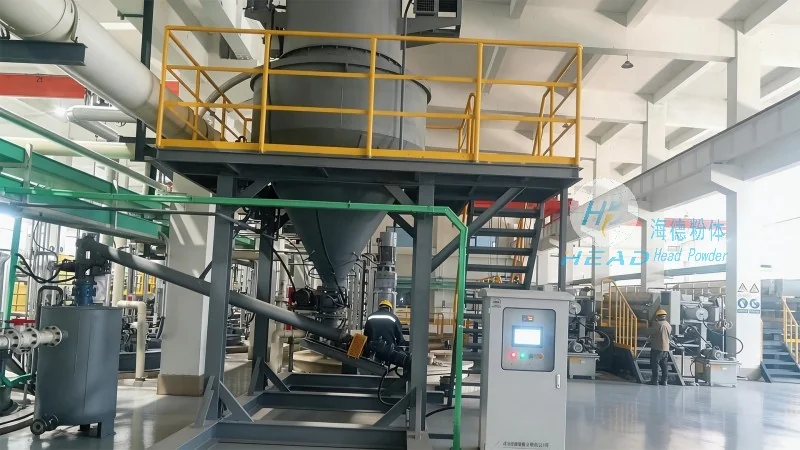
The core of a vacuum loading material pneumatic conveying system is its ability to transport dry bulk materials through a sealed pipeline using air or gas as the conveying medium. Unlike positive pressure systems that push material forward, vacuum systems pull material from the source, which is particularly advantageous for applications involving sensitive or hazardous materials. The system typically consists of a vacuum pump, a hopper or feeder, a pipeline network, and a receiver or discharge point. The vacuum pump generates the negative pressure that draws material from the source into the pipeline, where it is then carried to the destination.
Key Components and Their Functions
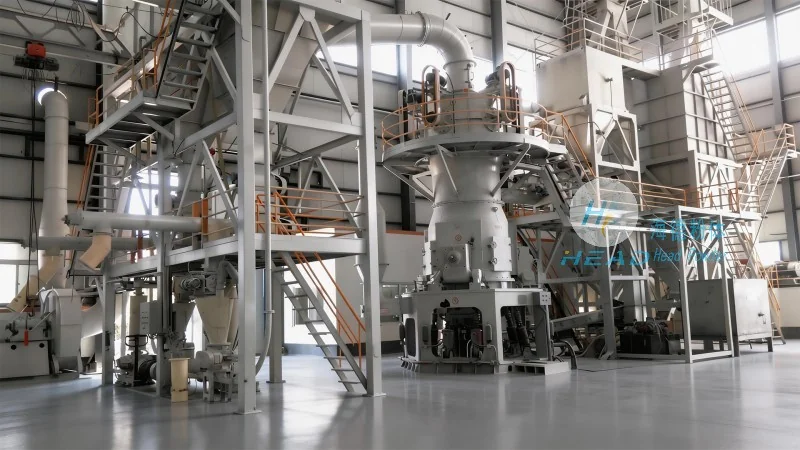
Several key components work together to ensure the smooth operation of a vacuum loading material pneumatic conveying system. The vacuum pump is the heart of the system, responsible for creating the necessary suction to draw material. It can be a rotary vane pump, a liquid ring pump, or a Roots blower, depending on the system's capacity and material characteristics. The hopper or feeder is where the material is stored before being fed into the pipeline. It is designed to maintain a consistent flow of material and prevent blockages. The pipeline network connects the source and the destination, and it is usually made of stainless steel or other corrosion-resistant materials to handle various types of bulk materials. The receiver or discharge point is where the material is collected after being conveyed through the pipeline. It may include a filter or separator to remove any air or dust from the material before it is discharged.
The Design Principles Behind the System
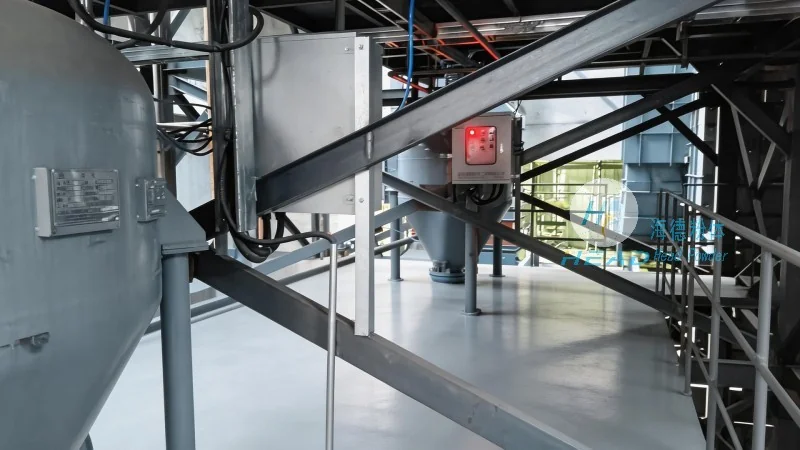
The design of a vacuum loading material pneumatic conveying system is based on several fundamental principles to ensure optimal performance and efficiency. One of the primary principles is the balance between the material's flowability and the system's suction capacity. The system must be designed to handle the specific characteristics of the material, such as its particle size, density, and moisture content. This involves calculating the appropriate air velocity and pipeline diameter to prevent material deposition or blockages. Another key principle is the control of pressure differentials. The system must maintain a sufficient pressure difference between the source and the destination to ensure continuous material flow. This is achieved by adjusting the vacuum pump's speed or the pipeline's length and diameter. Additionally, the system's design considers the need for dust control and safety. The sealed pipeline and vacuum pump help to contain dust and prevent exposure to workers, while the system's components are designed to withstand the pressures and temperatures associated with the material being conveyed.
Applications and Benefits
Vacuum loading material pneumatic conveying systems are used in a wide range of industries, including pharmaceuticals, food processing, chemicals, and mining. They are particularly useful for transporting materials that are sensitive to moisture or air, such as powders, granules, and fine particles. The system's benefits include improved safety, as it eliminates the need for manual handling of materials, reduced dust emissions, and increased efficiency compared to traditional methods like bucket elevators or belt conveyors. The vacuum system also allows for precise control over the material's flow rate and direction, making it ideal for applications where accuracy is critical.
HeadPowder: Your Partner in Material Handling Solutions
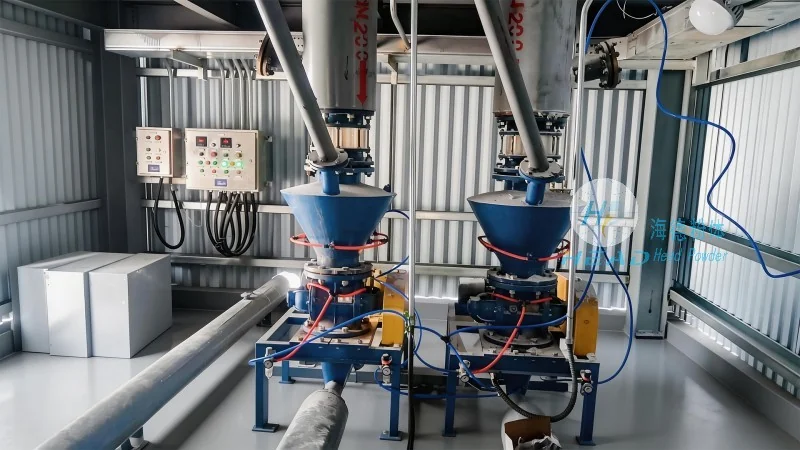
At Shandong HeadPowder Engineering Co., Ltd., we specialize in designing and manufacturing high-quality vacuum loading material pneumatic conveying systems tailored to meet the unique needs of our clients. Our team of experienced engineers and technicians works closely with customers to understand their material handling challenges and develop customized solutions that enhance productivity and efficiency. We use advanced design software and rigorous testing procedures to ensure that our systems meet the highest standards of performance and reliability. Our products are manufactured using premium materials and components, ensuring long-lasting durability and minimal maintenance. We also provide comprehensive after-sales support, including installation, training, and maintenance services, to ensure that our clients get the most out of their investment.