

Ferrous Sulfate Material Pneumatic Conveying: What It Is and Its Design Principles
When it comes to transporting ferrous sulfate, a common approach in industrial settings is pneumatic conveying. This method involves using air or other gases to move the material through a system of pipes and equipment. For businesses dealing with ferrous sulfate, understanding the mechanics and design principles behind pneumatic conveying is crucial for efficient operations and cost-effective material handling.
Understanding Ferrous Sulfate and Its Properties
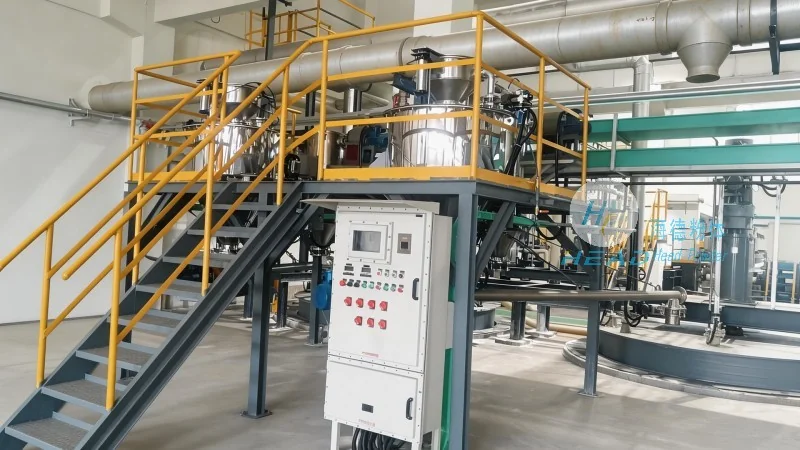
Ferrous sulfate, also known as iron(II) sulfate, is a chemical compound widely used in various industries, including water treatment, agriculture, and manufacturing. It is typically found in crystalline or powder form, which makes it suitable for pneumatic conveying systems. The material's density, particle size, and flow characteristics are key factors that influence the design of a pneumatic conveying system. For instance, the fine particle size of ferrous sulfate can affect air velocity requirements and the risk of clogging in the conveying lines. Proper characterization of these properties is essential for selecting the right equipment and ensuring smooth material transport.
Pneumatic Conveying Basics: How It Works
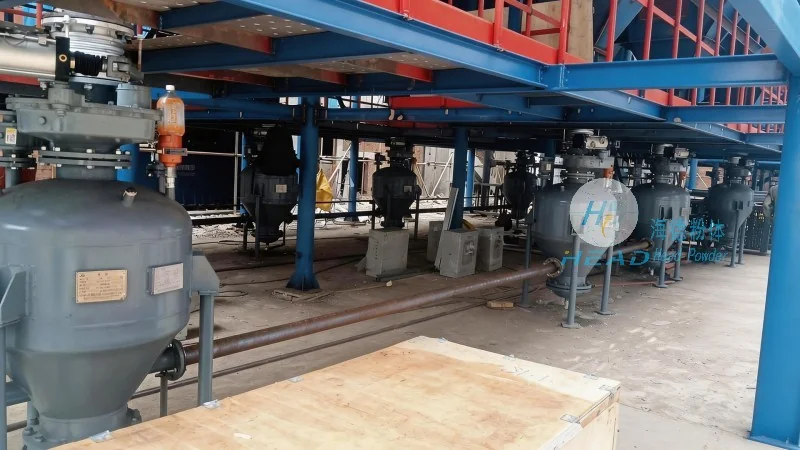
Pneumatic conveying systems operate by creating a flow of air or gas that propels the material through a pipeline. There are two main types of pneumatic conveying: dilute phase and dense phase. Dilute phase systems use higher air velocities to transport material in a suspended state, while dense phase systems use lower velocities and higher pressure to move material in a more compact form. For ferrous sulfate, which is often a fine powder, a dilute phase system is commonly employed. The system typically includes a blower or fan to generate the air flow, a hopper to store the material, a feeder to control the flow rate, and a conveying line to transport the material to the destination. At the receiving end, a separator or cyclone is used to separate the material from the air stream, allowing for clean collection.
Design Principles for Ferrous Sulfate Pneumatic Conveying Systems
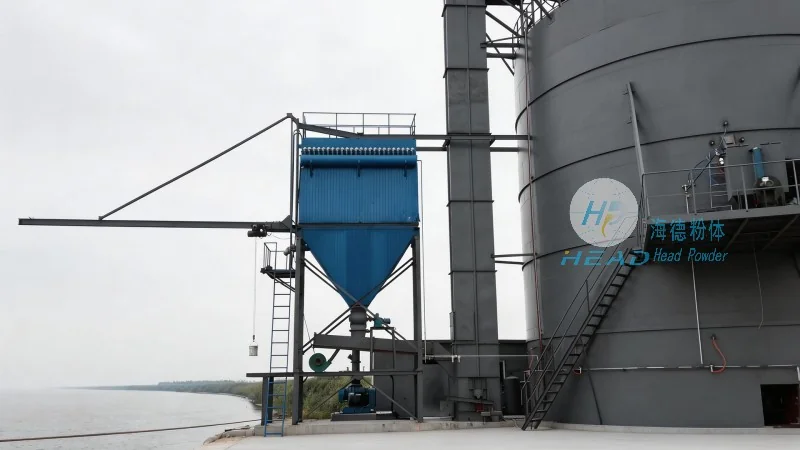
The design of a pneumatic conveying system for ferrous sulfate must consider several critical factors to ensure optimal performance. First, the system must be able to handle the material's flow characteristics, including its bulk density and angle of repose. The conveying line diameter and length are determined based on the material's velocity and the required air flow rate. For example, a larger line diameter may be needed to reduce friction losses and prevent material buildup. The air velocity must be sufficient to keep the material suspended but not so high as to cause excessive wear on the equipment or generate too much dust. Additionally, the system must include proper sealing and filtration to prevent material leakage and air contamination. The selection of components, such as the blower, feeder, and separator, is also crucial. A high-efficiency blower can provide the necessary pressure and flow, while a well-designed feeder ensures consistent material feed. The separator at the end of the line must effectively separate the material from the air, minimizing dust emissions and ensuring the material is collected in a clean state.
HeadPowder's Expertise in Ferrous Sulfate Pneumatic Conveying
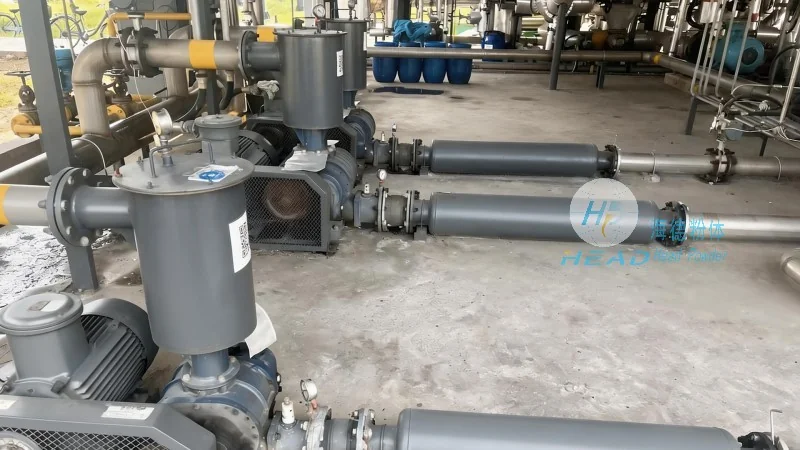
Shandong HeadPowder Engineering Co., Ltd., a leading provider of material handling solutions, specializes in designing and implementing pneumatic conveying systems tailored to the needs of ferrous sulfate applications. With years of experience in the industry, HeadPowder understands the unique challenges of handling fine powders like ferrous sulfate and has developed advanced solutions to address them. The company's engineers work closely with clients to assess their specific requirements, including material properties, production volume, and operational constraints, to design a customized system that maximizes efficiency and minimizes downtime. HeadPowder's expertise extends to the entire system, from the initial design and engineering to the installation and maintenance of the equipment. By leveraging their knowledge of pneumatic conveying principles and the specific characteristics of ferrous sulfate, HeadPowder ensures that clients receive systems that are reliable, durable, and cost-effective. The company's commitment to quality and customer satisfaction has made it a trusted partner for businesses in need of efficient material handling solutions.